
Inline Skating and Social Skills: How Kids Benefit
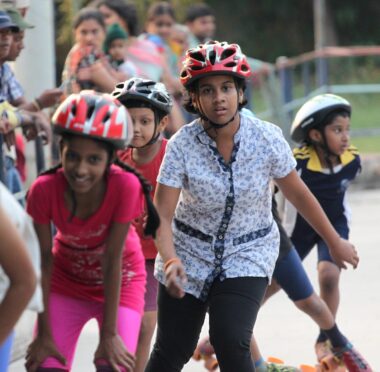
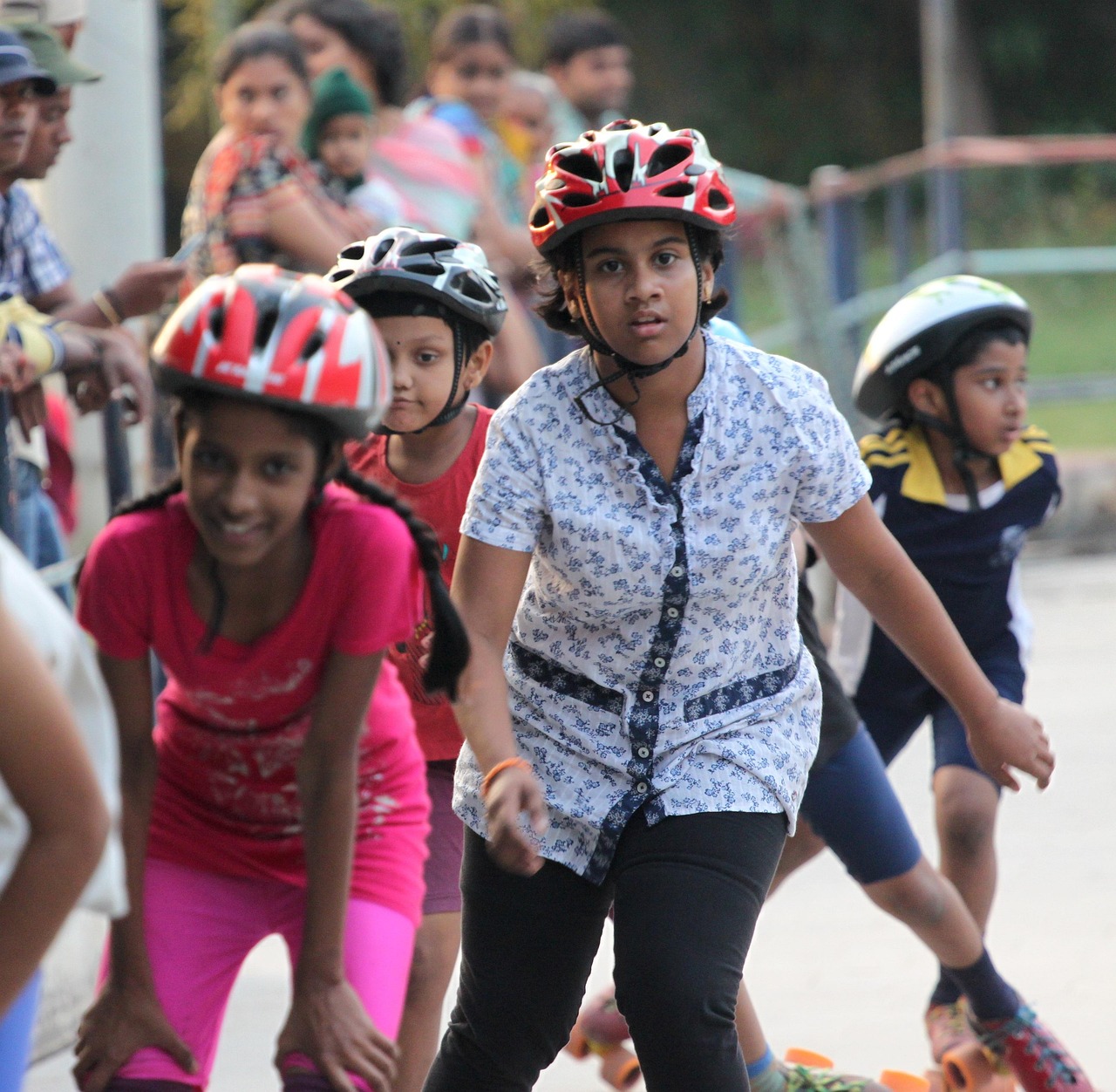
Inline skating is not only a fun activity for kids but also plays a crucial role in their social development. As children navigate skate parks, they encounter various social situations, from making new friends to engaging in cooperative play. Inline skating helps kids learn valuable communication skills as they interact with peers while skating. Likewise, they develop teamwork strategies during group activities and skating classes. It provides a platform where kids can express themselves and share their achievements with friends, enhancing their self-esteem. Inline skating is also an excellent avenue for encouraging inclusivity, as children of all skill levels can participate together. They learn the importance of supporting others regardless of their proficiency. Skating in a group fosters bonding, creating lasting friendships among kids. Participating in team competitions or skating events adds to this experience, developing a sense of belonging. Overall, inline skating cultivates essential social skills that benefit children both on and off the rink, providing them with tools to navigate life’s social dynamics more effectively. Through shared experiences, kids not only improve their skating abilities but also enhance their interpersonal skills and confidence.
Engaging in inline skating can significantly improve children’s psychological well-being. When kids participate in this healthy outdoor activity, they experience increased joy and fulfillment. Skating allows them to escape the stresses of daily life, offering a fantastic way to unwind. This emotional outlet helps prevent stress and anxiety, promoting a balanced mental state. Moreover, achieving skating milestones, such as mastering a new trick, builds resilience in young skaters. They learn to handle challenges and setbacks, fostering a growth mindset. This mindset not only benefits their skating journey but also transfers to other areas of life, such as academics and friendships. Inline skating also encourages a sense of autonomy, as kids practice and hone their skills at their own pace. This independence reinforces their confidence and decision-making capabilities. Furthermore, exercising outdoors boosts mood by releasing endorphins, naturally enhancing happiness levels. Skating can also promote a sense of adventure, bolstering creativity and exploration. In a world full of screens, inline skating provides a healthy alternative that enriches the lives of kids. It nurtures their emotional health, granting them tools to navigate various life challenges with confidence and resilience.
Developing Motor Skills through Inline Skating
Inline skating significantly contributes to the development of essential motor skills in children. As kids learn to skate, they cultivate balance, coordination, and agility. These critical physical abilities not only enhance their skating performance but also improve overall body awareness. Balance is crucial when skating; children must learn to stabilize themselves while moving at varying speeds. This exercise encourages them to engage their core muscles, promoting strength and stability. Meanwhile, coordination comes into play as they maneuver their feet and body to navigate turns and obstacles. Skating is a rhythmic activity; thus, it helps with timing and spatial awareness. Children must also develop fine motor skills, like stopping and controlling their speed, which involves precise movements. Such skills have positive spill-over effects into other sports and daily activities. Furthermore, inline skaters often experience improved reflexes and reaction times, helping them respond quickly to different situations. This physical foundation laid through inline skating is beneficial for lifelong fitness and health. Encouraging children to skate means supporting their holistic development, allowing them to grow in strength, confidence, and physical ability.
Participation in inline skating can mean wonderful opportunities for building creativity in children. As they skate, kids can explore various environments, from local parks to custom skate areas, which sparks their imagination and encourages inventiveness. The thrill of skating allows them to experiment with new tricks, developing their unique style. This experimentation fosters artistic expression; children learn to express their personalities through their skating techniques and outfits. Inline skating also invites children to create their pathways, navigate different terrains, and devise strategies for overcoming challenges. These imaginative activities nurture creative problem-solving skills that help them in daily life situations. In conjunction, various competitions and showcases provide platforms where kids can present their creative skating styles, gaining encouragement from fellow skaters and spectators. Skating together in teams can enhance collaboration and innovation; children discuss ideas and share tricks, leading to mutual inspiration. Inline skating encourages the possibility of being original, as every child’s journey is distinctly theirs. Overall, inline skating offers avenues for creativity, allowing kids to engage excitingly and enjoyably while pushing the limits of their imagination.
Building Confidence through Inline Skating
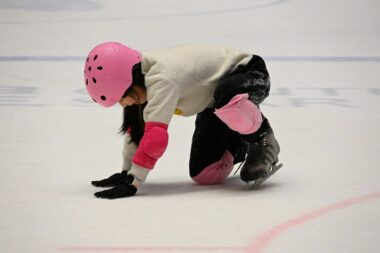
Inline skating plays an influential role in building confidence among children. As they learn to skate, kids face challenges that require persistence and determination. Overcoming these obstacles, like learning to balance or perform tricks, provides a great sense of accomplishment. This growing sense of achievement boosts their self-esteem, making them feel capable and empowered. Each time they master a new skill or improve their skating ability, they become more confident in themselves. Moreover, the social interactions fostered by inline skating also contribute significantly to building self-assurance. Kids gain support and encouragement from their peers, creating an uplifting environment that reinforces positive self-perception. Skating with friends invites them to step outside their comfort zones. Engaging in group activities stimulates personal growth by pushing them to try new things. Inline skating competitions can further amplify confidence levels, teaching children to handle both success and failure gracefully. The experience of participating in events where they showcase skills builds resilience. Hence, inline skating becomes a valuable platform for instilling confidence in kids. Through overcoming challenges and engaging with others, they learn to trust themselves and recognize their worth.
Inline skating is an ideal social activity that promotes lifelong friendships among kids. As children share the experience, they create memorable moments together, establishing connections that may last beyond skating. Collaborative activities like group skating lessons and team competitions provide environments for these friendships to flourish. Skating together encourages children to bond over shared interests, creating a sense of unity. The supportive atmosphere fosters teamwork, as they cheer each other’s accomplishments and motivate one another during setbacks. Inline skating also encourages inclusive environments; children with varying skill levels learn from one another, creating a more robust social network. They celebrate diversity as they engage with peers from different backgrounds and abilities. These friendships that stem from inline skating can lead to further social interactions outside of skating. Kids cultivate lasting friendships through shared interests, play dates, and group activities. Furthermore, social skills developed through inline skating set the stage for healthy relationships in adulthood. The lessons learned while skating translate into significant values like empathy, respect, and cooperation which are pivotal for building meaningful connections. Thus, inline skating helps children develop important friendships while enhancing their social skills.
The Lifelong Benefits of Inline Skating
The lifelong benefits associated with inline skating extend well beyond childhood. As children grow up with skating, they carry forward physical, mental, and social skills learned during their formative years. The foundation built through inline skating leads to a more active lifestyle as they transition into adulthood. The physical stamina and endurance developed during skating encourage consistent engagement in fitness activities throughout their lives. Moreover, the confidence gained during their childhood skating experiences translates into resilience when facing life’s challenges. Children who skate often possess better coping mechanisms, emotional IQ, and adaptability in various situations. The social networks established while skating can evolve into supportive communities as they grow older, providing encouragement and shared experiences in different activities. Additionally, lifelong friendships forged during these early years may endure, adding a rich layer to their adult relationships. Inline skating’s creativity aspects may also continue to influence how children perceive challenges in their lives. They learn to think outside the box, an attribute beneficial in all walks of life. Ultimately, encouraging kids to embrace inline skating can lay the groundwork for a healthy, fulfilled, and socially connected future.
The importance of inline skating in developing various life skills is evident, and its impact on children is profound. By nurturing their confidence and creativity, inline skating cultivates well-rounded individuals equipped to thrive in any environment. Parents and guardians can encourage their children to participate in this enjoyable activity, fostering a lifelong passion for fitness and recreation. Inline skating not only allows kids to learn through play but also enables them to develop crucial skills that will resonate throughout their lives. Consequently, it becomes essential to provide opportunities for kids to engage in inline skating, whether through classes, clubs, or community events. Connecting children with peers in a fun setting promotes community spirit and encourages social interaction. Moreover, it reinforces a culture of sporting activities that encourages physical health and emotional well-being. The friendships formed and experiences shared through inline skating create cherished memories that children will carry into adulthood. Therefore, supporting kids in embracing inline skating can be a transformative gift that empowers them throughout their journey, leading to stronger, more confident individuals ready to face the world.