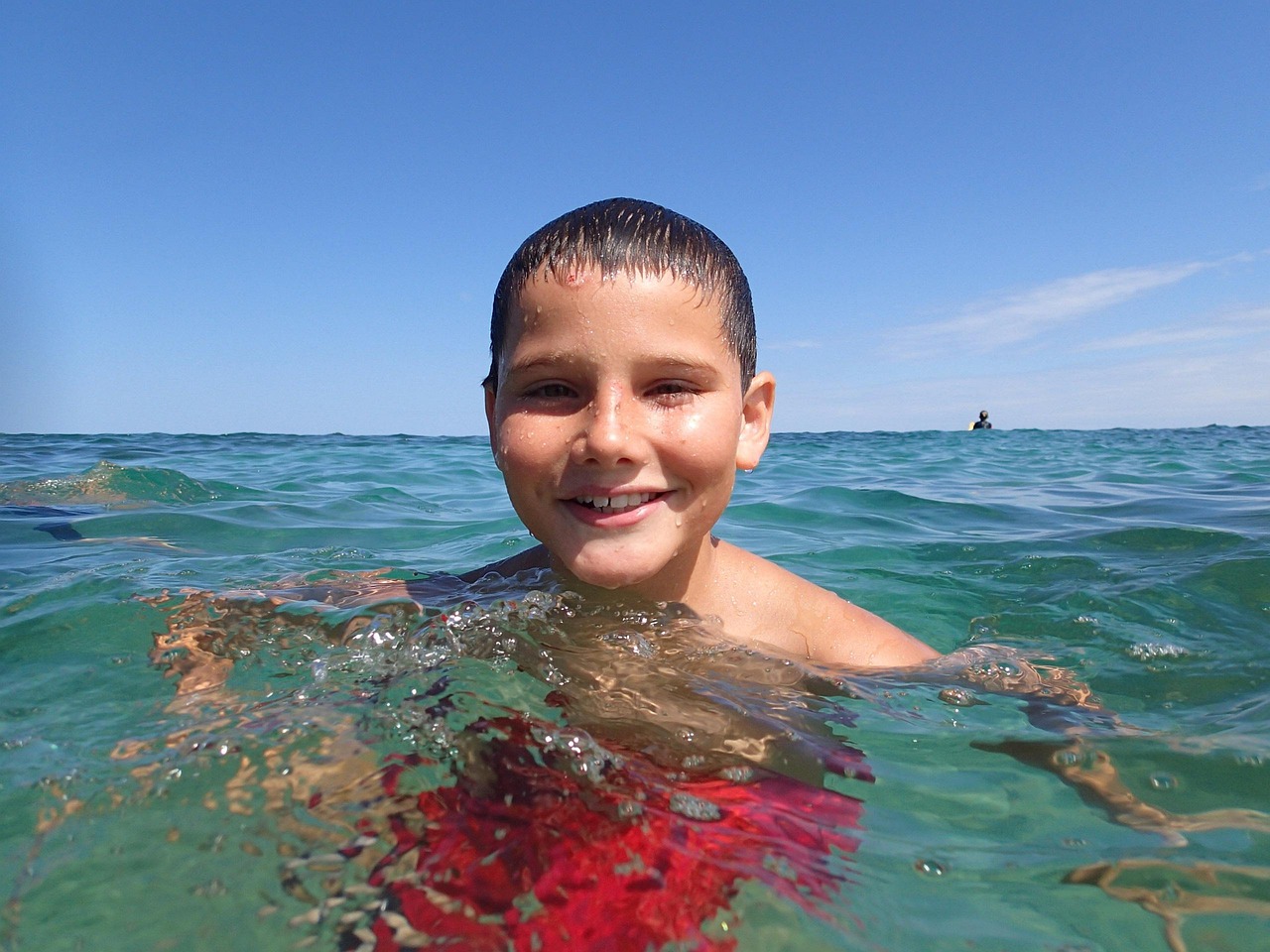

Understanding Water Safety Rules for Kids
Teaching children about water safety is crucial. Parents and guardians should instill these essential guidelines early on. Drowning is a leading cause of death in young children, making knowledge of safety rules vital. Start by ensuring your child understands that water can be dangerous. Explain that they should never swim alone, and they should always have a buddy with them. Additionally, children should be aware of their swimming skills and not attempt to swim in water that exceeds their abilities. Parents must also enforce boundaries, ensuring kids are aware not to swim in deep water unless they are proficient swimmers. Another important rule is to keep a vigilant eye on children, even during family gatherings at pools or beaches. Accidents can occur within seconds, so constant supervision is crucial. Consider taking a CPR class to be prepared for any emergencies. Kids should not engage in horseplay near water, as it can lead to slips and falls. Establishing these safety rules helps create a safer environment for children who enjoy swimming and playing in and around water.
In addition to supervision, making sure children wear proper safety gear is another vital component of water safety. Life jackets are essential for any child who is not a proficient swimmer. Ensure that the life jackets are U.S. Coast Guard-approved for the best safety standards. Explain to your child the importance of wearing this gear, even during casual play near the water. Inflatables are fun but don’t substitute for proper safety gear. Make sure your child understands this distinction. Furthermore, teach them about the dangers of strong currents and waves before heading out to the beach or lake. Every child should know that swimming in these conditions can quickly lead to trouble. Take the time to demonstrate how to identify safe swimming areas, both in pools and open water. Swimming lessons can provide structured learning where rules and techniques can be reinforced. Kids should be encouraged to become confident swimmers, gradually increasing their skills with practice. You can also expose children to safe water environments like swimming pools with lifeguards present to enhance their comfort and safety throughout their experiences in the water.
Using Sunscreen and Hydration
Another critical aspect of water safety for children involves protection from the sun as they swim and play outdoors. Skin protection with sunscreen is vital in preventing sunburn, which can occur with prolonged exposure. Choose a broad-spectrum sunscreen with an SPF of at least 30 for effective protection. Teach your child the importance of applying sunscreen generously, even on cloudy days, as UV rays can still reach the skin. Reapply sunscreen every two hours, especially if they’re wet or sweating. Keep in mind that reducing sun exposure during peak hours, typically between 10 am and 4 pm, is also advisable. As kids engage in water activities, reminding them to stay hydrated is equally crucial. Water can be deceptively cooling, leading to kids underestimating their need for fluids. Keep a water bottle handy and encourage your kids to take water breaks often. Make hydration a part of their routine, especially when swimming or participating in outdoor sports. By emphasizing sun safety and hydration, you create a healthier environment that allows for worry-free fun in the sun and water.
As part of water safety education, it’s vital to teach children about basic swimming techniques early on. Gaining these skills not only improves their comfort level but also enhances safety. Many community pools and swim schools offer classes suitable for various ages. Starting swim lessons at a young age fosters confidence in the water. When your child swims with you or under supervision from qualified instructors, they acquire valuable techniques to float and swim safely. Furthermore, practicing safe entries and exits to and from the pool or shore can help reduce the risk of slips and falls. Set examples for your child by demonstrating safe methods for entering the water, such as sitting on the edge before slipping in. Encourage them to be aware of their surroundings, teaching them to spot any potential hazards. Role-playing different scenarios, like what to do if they start to struggle, can also be beneficial. By combining basic swimming skills with safety techniques, you equip children to enjoy their aquatic adventures with increased confidence and awareness.
Respecting Water Boundaries
Respecting boundaries around water is another essential rule that children must understand thoroughly. This includes no running around the pool area, where slips and falls can lead to injuries. Teaching kids to enter and exit carefully helps them remain cautious near water. Discussing rules regarding the behavior of friends and other children around water can also prepare your child for social situations. Make sure they understand that not all friends may know the same safety rules. Encourage your child to speak up if they see others acting recklessly near the water. Sharing concerns shows responsibility and awareness. In shared spaces like water parks, explain the importance of following signs and markers indicating safe areas. Visiting these places can make safety education enjoyable and hands-on. Suggest that they have a designated safe meeting spot if separated from the group. Additionally, reinforce the need to avoid diving into shallow water, as this can lead to serious injuries. Introducing these concepts into regular discussions enhances safety awareness, making your child a responsible participant in water activities.
Another significant element in understanding water safety is recognizing weather conditions before participating in outdoor activities. Teaching children to assess weather patterns can help them make informed choices about swimming. Explain how rain can create unsafe conditions and make surfaces slippery. If thunder or lightning occurs, a child should know they must exit the water immediately and seek shelter. Use weather apps to check conditions before heading to the pool or beach. Involve your child in this process to build awareness. Encourage them to voice concerns about potential weather changes when they notice conditions are unsafe. Engaging in discussions about safety can enhance their decision-making skills. Reinforcing these rules regularly will help ensure children understand their significance as part of a larger framework of safety. Encourage them to express their understanding and communicate when they feel unsafe or uncomfortable. As they grow older, their ability to identify unsafe conditions will increase. Regular conversations about weather and its effect on swimming will support their ongoing education about water safety, giving children tools to make safe decisions.
Emergency Response and Awareness
Finally, ensuring that children know what to do in case of an emergency is an integral part of water safety education. Discussing the importance of emergency response can help them remain calm if unexpected situations arise. First, teach them to alert an adult immediately if someone is in trouble. Additionally, involve children in discussions about the importance of learning CPR and first aid. Many organizations offer age-appropriate classes. Encourage your child to participate in courses that teach these life-saving skills. Practicing these techniques at home can reinforce remembering them in emergencies. Educating them about the signs of distress in fellow swimmers can also help them act quickly if needed. Encourage them to look for signs such as flailing arms, and calls for help, and to recognize when someone might be struggling. Have regular discussions that refresh their memories regarding how to respond in emergencies. Parents should lead by example regarding emergency preparedness by staying calm under pressure. This kind of preparedness not only saves lives but also creates a culture of safety that will carry into adulthood, helping children enjoy water activities responsibly.
By imparting these safety rules and making them part of their routine, you can raise children who understand the dangers and respect the guidelines governing water activities. Investing time in their education around water safety will foster a lifelong appreciation for swimming and aquatic activities. When we empower kids with knowledge and skills, we can dramatically reduce the risk of accidents. Water can be a source of joy, health, and fitness when handled responsibly. Always remember to revisit essential safety topics with children as they grow and their understanding evolves. Ensure they can articulate these rules back to you or other caregivers. Consistent reinforcement and hands-on learning through practical experiences will be invaluable in instilling these crucial lessons. Families should create enjoyable rituals that incorporate water safety practices during outings involving aquatic fun. Build their confidence in their swimming abilities while emphasizing safety rules throughout their experiences. Ultimately, teaching children about water safety ensures everyone can enjoy the fun and fitness of swimming without the constant fear of accidents occurring. Ensuring that kids have a safe and enjoyable interaction with water is everyone’s responsibility.