
Using Self-Myofascial Release to Alleviate Plantar Fasciitis Discomfort
Plantar fasciitis is a common condition that leads to heel pain and discomfort. Understanding self-myofascial release is crucial for those who suffer from this condition. This therapy involves applying pressure to specific points on the body to relieve tension in the fascia. When the plantar fascia becomes tight or inflamed, it can cause significant discomfort during daily activities. The techniques of self-myofascial release can help alleviate some of this tension. By using tools like foam rollers or tennis balls, individuals can target the affected areas. This targeted pressure can help improve blood flow and flexibility. Regular use of self-myofascial release can lead to a reduction in symptoms over time. It’s essential to combine these techniques with other treatment methods, such as stretching and strengthening exercises. Integrating self-myofascial release into daily routines can empower individuals to manage their discomfort more effectively. Additionally, being proactive about foot care, including addressing any footwear issues, will complete a well-rounded approach to recovery.
When performing self-myofascial release, it is essential to know the right techniques. Start by locating the areas that feel particularly tight or sore. Once these areas are identified, use your chosen tool, as mentioned earlier. For example, rolling the arch of your foot over a tennis ball can provide relief. Focus on maintaining consistent pressure for about 30 seconds in one spot to promote relaxation in the fascia. Breathing deeply during this process supports increased relaxation and eases tension. Gradually adjust the pressure based on your comfort level; avoid excessive pain. It’s important to also incorporate gentle stretching before and after the release sessions. This helps maintain flexibility in addition to relieving pain. Engage your feet in low-impact exercises to strengthen the surrounding muscles as well. A daily routine including these methods can prevent recurrence of symptoms associated with plantar fasciitis. Furthermore, staying aware of how footwear impacts your foot health is vital. Identifying appropriate supports can contribute to a lasting solution rather than a temporary fix.
Techniques for Effective Self-Myofascial Release
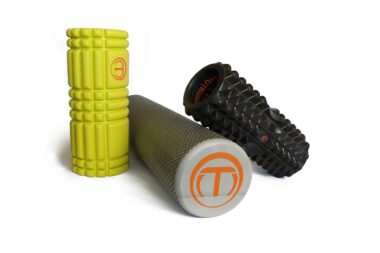
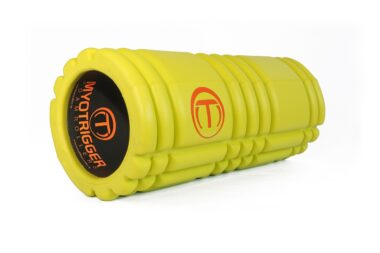
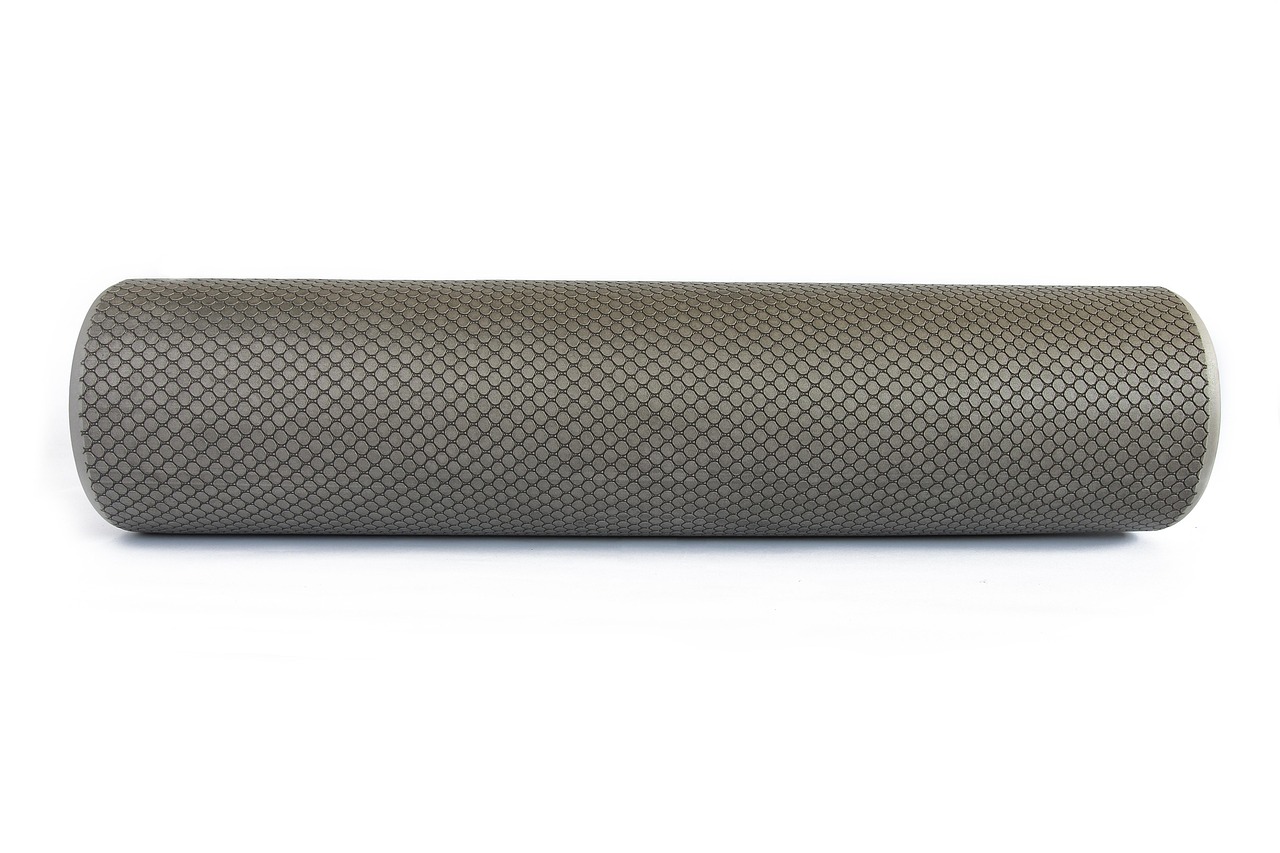
There are several techniques to implement effective self-myofascial release for alleviating plantar fasciitis discomfort. First, the **roller method** involves using a foam roller or other cylindrical object to roll out the bottom of your foot. Start slowly and apply as much pressure as feels comfortable. Keep in mind that this method targets the entire fascia, promoting overall foot health. Second, the **ball method** requires a softer tool, like a tennis or massage ball. Place the ball under your foot and apply localized pressure to tight spots. This technique is highly effective for pinpointing areas of discomfort. Additionally, try the **stretch and release method**, where you roll your foot out before performing a calf stretch. By incorporating stretches, you can enhance the benefits of the release technique. Finally, make sure to focus on hydration, as it supports overall recovery. Remember that consistent practice is key. Incorporating these techniques into your routine will build better recovery strategies tailored to individual needs and body responses.
In addition to self-myofascial release, implementing corrective exercises can further alleviate symptoms of plantar fasciitis. When the muscles supporting the arches are weak, discomfort often follows. Incorporating **heel raises** can strengthen the calf muscles and support overall foot health. To perform heel raises, stand upright with your feet hip-width apart, then slowly rise onto your toes and lower down. Repeat several times for effectiveness. Another effective exercise includes **arch lifts**, which help engage the muscles of the feet. To perform, sit or stand with your feet flat; then, without curling your toes, try to lift the arch of your foot. This strengthens the connections in and around the fascia. Implementing these exercises in conjunction with self-myofascial release provides a comprehensive treatment approach. To ensure you are on the right path, consult with a healthcare professional. This oversight helps to assess your needs and adjust routines as necessary. Tailoring exercises based on professional input allows for enhanced effectiveness in your recovery.
Maintaining Long-Term Health
Maintaining long-term health of the feet requires proper care beyond initial treatment. Ensure you wear supportive footwear that is appropriate for your activity level. Avoid walking barefoot on hard surfaces to minimize strain on your feet. Regularly inspect your shoes for appropriate fit and cushioning. Choose shoes designed for your specific activity, as they play a significant role in preventing injuries. Incorporating **foot strengthening routines** can support your arches, while balancing activities will enhance or maintain flexibility. Engaging in low-impact forms of exercise like swimming and cycling can reduce strain while maintaining fitness levels. Variety in routines is essential, as repeated and constant movements often lead to overuse injuries. Focus on cross-training methods that will improve overall physical health while minimizing stress on the feet. Lastly, remember the importance of rest and recovery. Allowing your body time to recuperate can prevent flare-ups of plantar fasciitis symptoms. By making mindful decisions about foot care practices, individuals can pave the way for lasting foot health and enjoyable mobility.
It’s beneficial to understand when to seek professional assistance for plantar fasciitis discomfort. While self-myofascial release and exercise play integral roles, certain signs indicate a need for expert evaluation. If pain becomes persistent or significantly restricts daily activities, consider consulting a healthcare professional. Likewise, if self-management techniques yield little improvement over a few weeks, this can point to underlying issues. Professionals such as physical therapists specialize in developing customized rehab plans that target specific problems. They can assess your gait, footwear, and anatomical issues contributing to the discomfort. Understanding and altering biomechanical factors can lead to significant benefits. Additionally, they can instruct you on more advanced treatment options, such as custom orthotics, if necessary. Early intervention can prevent the condition from worsening, which is vital for a smoother recovery journey. Regular check-ins with health professionals and monitoring your body’s responses encompass a proactive approach. Stay informed by seeking updated knowledge about advancements in plantar fasciitis treatments and rehabilitation techniques, allowing you to be the most responsible advocate for your health.
Conclusion
In conclusion, self-myofascial release is a valuable technique for alleviating plantar fasciitis discomfort. When integrated into a holistic treatment plan, it offers increased mobility, reduced pain, and improved overall foot health. Understanding the multifaceted nature of treatment empowers individuals to adopt better self-care practices. Combining self-myofascial release methods with specific exercises fosters both immediate relief and long-term enhancement of foot functionality. Regular self-care allows individuals to catch symptoms early and address them effectively, preventing progression into a chronic issue. Remaining informed about proper techniques and footwear choices remains crucial in maintaining foot health. Additionally, ongoing communication with healthcare professionals reinforces the need for a personalized approach to treatment. This ensures that care is suited to individual needs and promotes lasting recovery. Furthermore, adopting a preventive mindset with foot health encourages mindfulness and better lifestyle practices. By embracing self-myofascial release and complementing it with proper exercises, individuals pave the way toward a healthier, more active lifestyle. Ultimately, prioritizing foot health benefits both physical wellness and overall quality of life.
Self-Myofascial Release: A Path to Pain Relief
The technique of self-myofascial release has gained traction in recent years. It serves as an effective way to manage pain associated with various conditions, including plantar fasciitis. Typically performed using specific tools, it targets myofascial trigger points that may harbor tension. By releasing this tension, individuals can find not just relief, but improved mobility. Techniques can be performed using simple tools you likely have at home, such as foam rollers or massage balls. When applied correctly, the pressure encourages the body to respond positively, promoting blood circulation. In turn, this fosters healing and restores natural flow to the affected areas. It’s crucial to note that self-myofascial release should supplement other treatments. Other methods like personalized stretching routines can enhance efficacy. During each session, individuals should focus on maintaining awareness to prevent injury. Balancing the intensity will guarantee an optimal release of tension. Regular practice will not only provide symptom relief, but also bolster long-term mobility. Ultimately, self-myofascial release is a powerful tool that, when incorporated wisely, can greatly enhance one’s overall well-being.