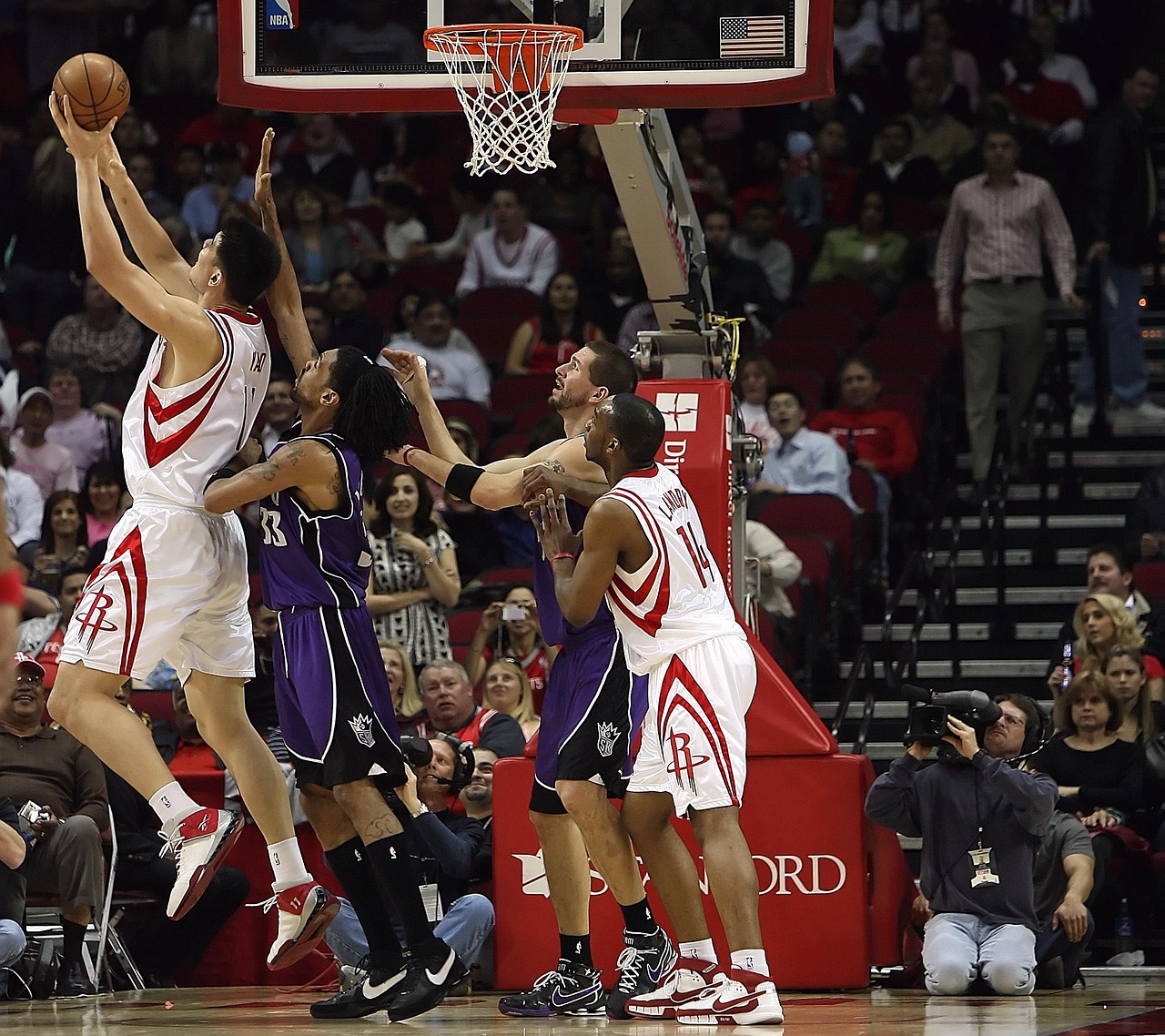

Breaking Down Team Strategies in This Season’s Basketball League
This season has been incredibly dynamic in the basketball league, showcasing various team strategies that embody innovative gameplay and skill utilization. Teams have continuously adapted their approaches to optimize performance in every game. For fans and analysts, deciphering these strategies is crucial as it reveals how coaches adapt to the unique strengths and weaknesses of their opponents. Defensive strategies have seen significant evolution, with teams focusing on perimeter defense and quick transitions. Offensively, we have observed increased ball movement aimed at creating high-efficiency shot opportunities. Each team’s unique tactical implementation reflects its overall philosophy and roster capabilities. Furthermore, factors such as player fitness and cohesion play substantial roles in the effectiveness of these strategies. With the playoffs approaching, examining each team’s strategic trends will be key to predicting which squads might have an edge. Fans must follow team updates closely, as changes in tactics can significantly impact game outcomes. In this article, we delve deeper into the strategic underpinnings that are defining this season’s basketball league and how teams are maneuvering through challenges to achieve success.
Understanding Defensive Strategies
Defensive strategies are crucial in the current season, with teams focusing on different techniques to limit scoring opportunities. One key approach gaining popularity is the switch defense, which offers versatility. Players are trained to guard multiple positions, allowing for seamless transitions during high-paced plays. This enhances a team’s adaptability when facing diverse offensive schemes. Communication among players on the court is vital, ensuring that everyone is aware of switches and potential mismatches. Additionally, teams are utilizing aggressive perimeter defense to disrupt shooting rhythms. Contesting shots and limiting open looks have become cornerstones of successful defensive plays. The implementation of zone defenses, such as 2-3 or 3-2 formations, provides another layer of challenge for offenses. These strategies are employed to counteract strong inside presences and perimeter shooters, forcing opponents to take less desirable shots. The effectiveness of these defenses hinges on players’ discipline, conditioning, and instincts. Overall, an understanding of defensive strategies will enhance viewers’ appreciation of the tactical nuances unfolding in the games. As teams refine their defensive game plans, their ability to stifle opponents will be tested further in the season’s critical matchups.
Offensive strategies have also seen notable advancements during this season, pushing teams to create respective identities. Ball movement has emerged as a primary focus, with teams prioritizing sharing the ball to enhance scoring opportunities. Effective passing patterns create misdirection and fluency in the attacking play, empowering shooters to find open looks. Teams emphasize spacing on the floor, thereby allowing players to exploit mismatches effectively. Off-ball movement has become equally crucial; without the ball, players are tasked with making intelligent cuts to confuse defenders. Teams are also incorporating elements of analytics to determine the best shot locations, leading to an increase in three-point attempts from high-efficiency zones. Coaches utilize scout reports to tailor offensive plays to capitalize on opponents’ defensive weaknesses. Understanding these strategies offers fans insights into why certain plays succeed or falter during crucial moments. As teams dedicate time to fine-tune their offenses, the competitive edge quickly unfolds in high-pressure scenarios. As we survey the scores, the offensive efficiency becomes central to game narratives influencing playoff appearances.
Evaluating Team Cohesion
Another critical element affecting strategies is team cohesion. Cohesion can make or break a season, as it impacts how well players execute complex game plans. This specific chemistry leads to a better understanding on the court and during critical moments. In recent matches, we have observed that teams with stronger cohesion demonstrate a higher level of trust and comfort among players. This manifests in quicker decisions, as players anticipate one another’s actions effectively. Practice sessions are fundamental in building this cohesion, as they allow teams to synchronize their offensive and defensive sequences. Additionally, mutual respect off the court fosters positive relationships, aiding in conflict resolution during tense scenarios. Leadership presence, whether from a veteran player or a skilled coach, plays a pivotal role in maintaining team morale and guiding young talents. Maintaining a unified approach leads to optimizing performance across all individual player talents featured on the roster. Evaluating and nurturing this cohesion will be essential as teams progress deeper into the season. Hence, analyzing interaction dynamics will contribute to understanding broader implications on team success.
Player development is also a pressing aspect in the current basketball league. As the season progresses, teams focus on nurturing individual talents through skills training and performance review sessions. Coaches emphasize enhancing players’ weaknesses while cultivating their existing strengths. This tailored approach also extends to in-game scenarios where players are encouraged to try new roles. For instance, a player known for shooting may explore point guard responsibilities to diversify their skill set. The role of analytics in assessing player performance has become popularly emphasized, guiding coaches in creating specific performance targets. Each team seeks to discover and maximize untapped talent, impacting overall team success. Additionally, having a proficient training staff is essential, ensuring players maintain peak physical condition. Injury prevention programs and tailored fitness regimens are crucial as they optimize player’s longevity during the grueling season. Fans appreciate observing how player development translates into on-court performance, particularly in tightly contested games. The evolution of players also showcases the investment teams place in their development, enabling them to remain competitive in the league. As a result, watching players flourish is among the season’s highlights.
Analyzing Playmaking Innovations
Playmaking innovations have become a major focus, especially in this season’s competitive landscape. Coaches are continuously looking for new plays that maximize scoring while baffling defenses. A notable trend is the incorporation of off-ball screens to create separation among defenders. This tactic allows capable scorers to navigate through pick-and-roll scenarios, creating opportunities for open shots or drives to the basket. Furthermore, teams are engaging in ‘positionless’ basketball where players interchange roles fluidly. This adds depth to offensive plays and keeps defenses guessing. Another popular approach is the use of isolation plays for star players, intentionally creating mismatches against slower defenders. By leveraging individual talent efficiently, teams aim for high-percentage scoring opportunities. Among the tactical adjustments, late-game scenarios require smart decision-making, often utilizing time-outs judiciously to set up optimal plays. Strong situational awareness is pivotal, where every possession counts as playoff positions loom near. With skilled playmakers who can execute under pressure, teams hope to achieve success. As the season progresses, it will be fascinating to observe how playmaking trends evolve and impact crucial matchups.
In summary, breaking down team strategies in this basketball league season reveals various layers of complexity shaping the game. From defensive innovations to offensive synergies, various elements contribute to a team’s competitive edge. Player development and cohesion play substantial roles, while strategic playmaking amplifies team effectiveness. This analysis not only highlights the tactical layers that fans witness during games but also enriches their understanding as they follow the league. As teams adapt and learn, the triumphs and setbacks inform a broader conversation surrounding the evolution of basketball strategies. Enthusiasts can look forward to how these elements unfold in subsequent matches, especially as playoffs draw nearer. Game-day observations demonstrate how coaches and players address strategic challenges head-on, leading to exciting narratives throughout the season. Ultimately, staying informed about team strategies ignites richer interactions with the sport, fostering a loyal fanbase. Engaging with the mechanics behind each play will continue to shine a light on the tactical genius at play. Let’s embrace this captivating journey through the intricate world of basketball strategies and watch closely how they evolve.
Future Prospects and Training
Looking ahead, the future prospects of team strategies in basketball depend heavily on how teams embrace training methodologies. As the league incorporates advanced statistical analysis, coaches will increasingly rely on data to inform strategy decisions. Decision-making based on data-driven insights provides a powerful framework for improving team performance. Training regimens focusing on specific skill sets, along with the ability to adapt in-game, will separate good teams from the great ones. Additionally, with technology enhancing player monitoring and workload management, teams that can maximize player potential while preventing injuries will lead the league. The advent of virtual training methods also opens avenues for player development. Innovative training methods can replicate game situations, further enhancing practice efficiency. As teams navigate through evolving dynamics, understanding strategies will continue to evolve towards an adaptive format. The balance between analytical strategies and classic fundamentals will shape the future game. Embracing this change through training will prepare teams for upcoming seasons while enriching the overall basketball experience for players and fans alike. We can anticipate exciting developments in the years to come, as teams strive for excellence in a competitive environment.