
Common Myths About Olympic Weightlifting Debunked
Olympic weightlifting has gained significant popularity over recent years, yet numerous myths surround its practice. One prevalent misconception is that Olympic weightlifting is solely for athletes or those aiming for competition. In fact, this training modality provides multiple benefits for individuals at all fitness levels, from beginners seeking improved strength and mobility to seasoned lifters aiming to perfect their technique. Whether you are lifting merely for health or athletic enhancement, Olympic weightlifting helps tailor your fitness goals appropriately. Another myth implies that Olympic weightlifting is inherently dangerous and leads to injuries. However, under proper training conditions, with knowledgeable coaches, and appropriate progressions, the risk of injury is minimized substantially. Correct technique and adequate warm-up routines significantly tend to reduce injuries in participants and also elevate their overall confidence and enjoyment during workouts. Moreover, Olympic weightlifting fosters mental discipline and resilience, qualities beneficial in both athletic training and daily life. By addressing these misconceptions, we can encourage more lifters to explore this incredible sport, emphasizing inclusivity and safety for all enthusiasts. Therefore, it is essential to challenge these myths and promote a clearer understanding of Olympic weightlifting’s real benefits.
Another common myth asserts that Olympic weightlifting solely benefits elite athletes, ignoring the fact that anyone can participate. In reality, Olympic weightlifting techniques can enhance the quality of life for everyday individuals. Not only does training improve strength, but it also enhances motor coordination and flexibility. Practicing lifts like the clean and jerk or snatch develops functional strength, translating into more comfortable daily activities such as lifting heavy grocery bags or moving furniture. Additionally, strength training through Olympic lifting can bolster metabolic health, leading to more effective weight management and enhanced overall wellness. Many individuals report feeling positive changes in energy levels, performance, and mood resulting from a structured Olympic weightlifting program. This training style also aids in building a supportive community, which encourages both camaraderie and motivation. Weightlifting can provide a space for personal growth, fostering connections with others who share similar goals and aspirations. Such supportive environments help individuals on their journeys. Hence, it becomes evident Olympic weightlifting is not solely limited to elite athletes; it offers numerous benefits for every skill level.
A misconception gaining momentum is that Olympic weightlifting requires a specific body type for success. Many believe it is only achievable for tall, muscular individuals, which stifles participation from a more diverse range of body types. In truth, Olympic weightlifting is inclusive and allows individuals of varying heights and weights to excel. Different body compositions can provide their unique advantages in weightlifting. For instance, shorter lifters often have leverage advantages in certain lifts, while taller lifters might find their longer limbs helpful in achieving specific techniques. This sport emphasizes skill and technique significantly more than sheer size or strength. Regardless of body type, commitment, dedication, and proper training can lead to remarkable improvements and accomplishments. Additionally, individual lifters should cultivate confidence by focusing on personal progress rather than comparing themselves to others. Effective coaching and support can further enhance a lifter’s experience and success, ultimately showcasing the beauty of Olympic weightlifting amongst a variety of body types and backgrounds. Thus, it becomes crucial to dismantle this myth and embrace a more inclusive perspective of Olympic weightlifting.
The Myth of Weight Classes
Another prevalent myth in the realm of Olympic weightlifting is that weight classes restrict the ability to progress and compete. Some lifters feel discouraged or intimidated by their weight class and assume their potential is limited. However, the reality is considerably more encouraging. Weight classes exist to level the playing field during competitions, ensuring fair competition among lifters of similar body weights, rather than being obstacles to success. Lifters can choose to compete in categories that best suit their weight in each competition, highlighting their talent and hard work, regardless of their actual size. Rather than focus on fluctuating body weight, lifters should initiate training techniques to strengthen their lifts. This approach fosters a healthier mindset and encourages a more fulfilling athletic journey. Furthermore, many lifters have successfully transitioned through various weight classes, illustrating the importance of skill adaptation across segments of different body weights. This versatility in training enables lifters of all sizes and abilities to express their capabilities. Additionally, incorporating necessary techniques, nutrition, and mindset adaptations ensures that lifters can progress freely regardless of competition constructs.
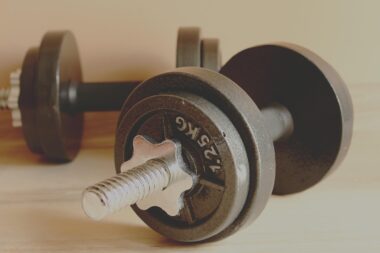
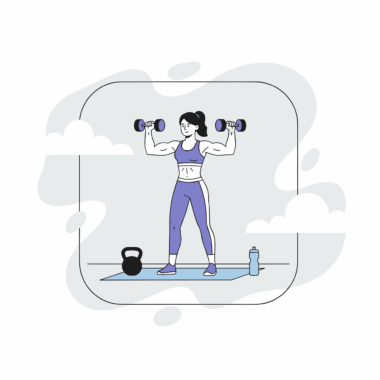
Another popular belief is that Olympic weightlifting is cumbersome and non-adaptable to different training environments. People may assume that Olympic lifts can only be performed in elite gyms specifically designed for advanced athletes. Yet, this perspective poses a significant barrier to entry for many individuals. In practice, Olympic lifts can be adapted for various fitness settings, including home training, local gyms, or specialized facilities. Numerous modifications exist for lifters to practice Olympic lifting fundamentals, maintaining effectiveness and learning the movements safely. Exercises such as kettlebell swings and dumbbell snatches can serve as excellent foundational steps toward mastering Olympic lifts. Coaches often recommend these variations as a safe and effective means of familiarizing oneself with the key attributes of Olympic weightlifting. Therefore, individuals may improve their strength and technique without access to specialized equipment. Besides, home gyms or community centers can present a welcoming and supportive atmosphere for enthusiasts to transition into Olympic weightlifting. This adaptability ultimately highlights the inclusiveness of the sport, allowing a broader audience to experience and enjoy Olympic weightlifting within their available surroundings.
A misconception often discussed is that Olympic weightlifting is limited to only a few specific lifts. People might believe that the sport consists solely of the snatch and clean and jerk, thus undervaluing its vast repertoire. While these two lifts are indeed the cornerstone of the sport, it’s crucial to recognize the extensive range of exercises that reside within Olympic weightlifting training programs. Components such as squats, overhead pressing, and various pulling movements play an essential role in developing overall strength, balance, and coordination. These additional exercises complement the main lifts and contribute significantly to better performance on competition day. Moreover, understanding the importance of accessory movements helps in refining lifters’ technical prowess as they work diligently to improve technique and efficiency during their lifts. Incorporating a diverse set of exercises within training ensures a well-rounded approach, enhancing performance and keeping individuals motivated. Ultimately, this myth overlooks the rich complexity of Olympic weightlifting and the holistic approach of effective training strategies in developing a complete athlete. Therefore, emphasizing the diversity of exercises can encourage better engagement with the sport.
Conclusion and Final Thoughts
In conclusion, it is paramount to challenge and debunk the prevalent myths surrounding Olympic weightlifting in today’s fitness landscape. By fostering awareness of these misconceptions, we pave the way for a more inclusive environment that encourages individuals from diverse backgrounds to discover and adopt this powerful training modality. Exploring various myths demonstrates the numerous benefits Olympic weightlifting offers, including improved strength, flexibility, and mental discipline. Further, the adaptability of the training environment and exercises establishes accessibility for people of all body types and fitness levels. By embracing a holistic view of Olympic weightlifting, we can nurture well-rounded athletes who excel both in competitions and day-to-day life. Emphasizing proper coaching and fostering a supportive community will enable aspiring lifters to thrive within the sport, unlocking their talents and potential. As more myth-busting discussions unfold, we also advocate for the necessary support systems that keep lifters informed, inspired, and engaged. Encounters with Olympic weightlifting can forever transform lifestyles and foster cherished memories during their journeys. Let’s share this truth and invite everyone to strength training in Olympic weightlifting.
With the right knowledge and approach, the stigma attached to Olympic weightlifting can be diminished, opening doors. Individuals should seize the opportunities within Olympic weightlifting while significantly benefiting overall health and wellbeing. By spreading awareness and education about these myths, we empower everyone to embrace their potential, promoting an engaging experience in the world of Olympic weightlifting. The sport is characterized by an engaging community, commitment to personal progress, and enriching abilities that go beyond physical performance. As this evolution unfolds, more people will discover and appreciate Olympic weightlifting, understanding its real impact on individual growth and societal attitudes toward strength training. This progressive shift can lead to a more robust appreciation of Olympic weightlifting amidst various fitness enthusiasts, ultimately resulting in positive changes across diverse communities. Rather than shying away due to misconceptions, individuals should pursue their interest in Olympic weightlifting with confidence. Addressing these myths ensures wider participation, fostering opportunities for individuals to improve their fitness and performance. Ultimately, as enthusiasm grows, reinforced through facts and shared experiences, we’ll witness a collective embrace of Olympic weightlifting for a lifetime of health, strength, and camaraderie.