
Dance Aerobics Competitions for All Ages and Skill Levels
Dance aerobics competitions provide a unique platform for participants to showcase their skills in an energetic and vibrant way. These events are not limited to adults; they are designed for all ages, allowing families and friends to enjoy the art of dance. Each competition typically features a variety of categories based on age, skill level, and style. Participants can choose between solo, duo, or group performances. Moreover, judges at these competitions usually comprise experienced professionals who understand the nuances of dance and aerobics. This ensures a fair evaluation process for all contestants. When preparing for a competition, dancers focus on choreography, synchronization, and presentation. Above all, they must work on their stamina and flexibility. Many competitions also include workshops where participants can learn from judges and improve their techniques. This aspect fosters growth and community in the dance aerobics field. Enthusiasts often say these competitions inspire them to stay active and pursue fitness goals. Furthermore, awards are given for various achievements, motivating participants to enhance their performance. Ultimately, these competitions celebrate the joy of dance and fitness in a healthy and engaging environment.
Types of Competitions
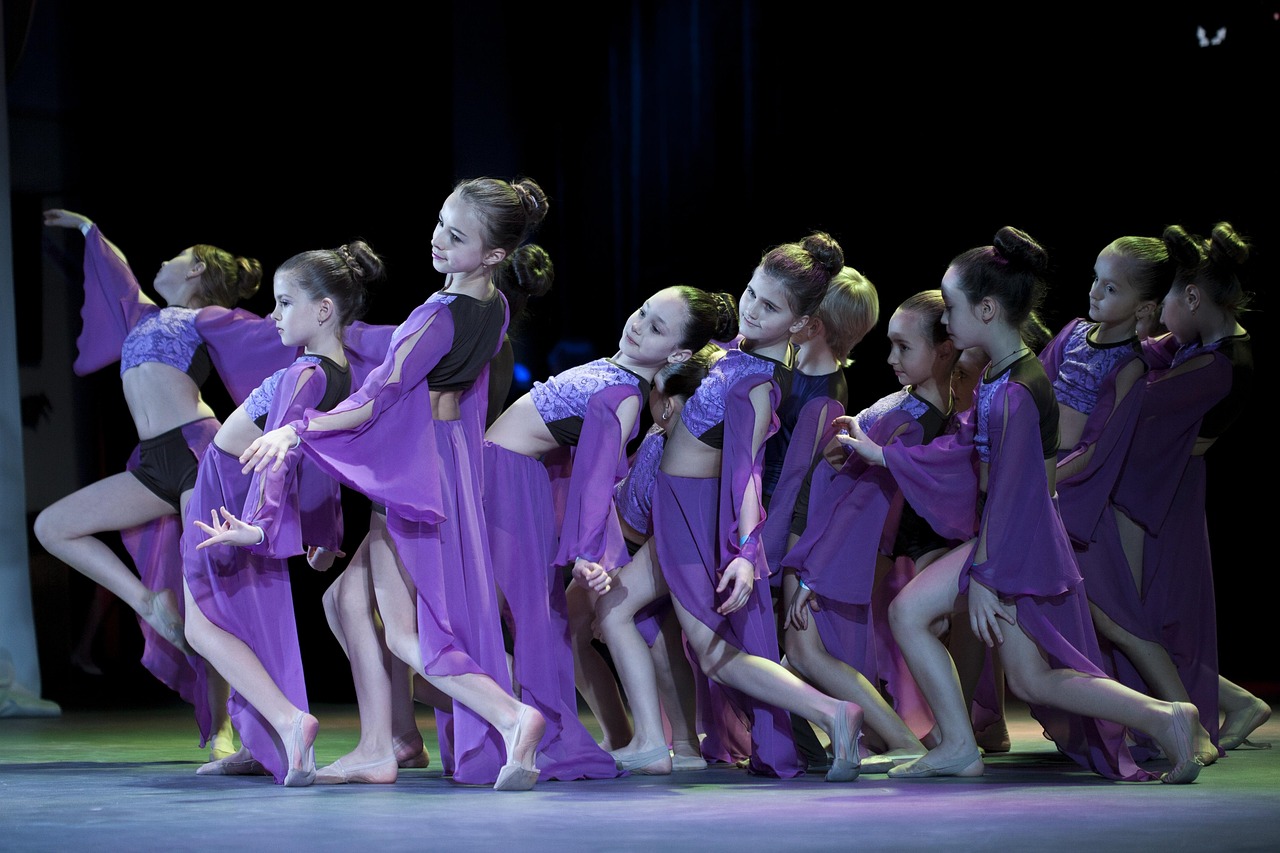
Competitions in dance aerobics vary widely, offering opportunities for participants of all backgrounds and abilities. Categories often include age groups like youth, teens, adults, and seniors. Additionally, competitors may be divided into skill levels, such as beginner, intermediate, and advanced. This classification allows everyone to find a suitable category to compete in. Many events also feature specific styles of dance, such as contemporary, hip-hop, or jazzercise. Participants can explore diverse forms while expressing their creativity. Group competitions encourage teamwork, fostering camaraderie among dancers, as they synchronize their movements to create a dynamic performance. Solo and duo categories, meanwhile, allow for individual expression and spotlighting talent. Educational institutions, community centers, and fitness organizations frequently host these events, promoting health and wellness. Participants often share their experiences on social media, fostering a sense of community engagement. Many well-known competitions also provide scholarships or prizes for outstanding performances. These opportunities can significantly impact a dancer’s career, further promoting the importance of dance aerobics in achieving personal goals. Therefore, there’s something for everyone in the world of dance aerobics competitions, making these events both inclusive and transformative.
Preparation for a dance aerobics competition is crucial and requires dedicated effort from all participants. Dancers often spend weeks or even months rehearsing their routines to perfect every detail. Engaging in regular practice sessions not only improves their dance skills but also builds essential stamina needed for competition day. Support from coaches or instructors plays a vital role during this preparation phase, as they provide valuable feedback and guidance. Participants are also advised to participate in fitness training alongside their dance routines, ensuring they maintain a high level of physical fitness. Nutrition also matters significantly; understanding the right foods to fuel their bodies can help them perform better. Many dancers find that staying hydrated prior to performances is equally important. As competition approaches, nerves may heighten, making mental preparation necessary. Visualization techniques, practicing deep breathing, and positive affirmations can help combat pre-performance anxiety. Some dancers even create a checklist of items to bring, such as costumes, props, and personal items. Ultimately, thorough preparation increases confidence and enhances overall performance quality, making it a key element of successful participation in dance aerobics competitions.
The Role of Judges
Judges are a critical component of any dance aerobics competition, as their assessments determine the winners of each event. Typically, they consist of experienced dancers, choreographers, or fitness professionals recognized in the dance community. Their presence not only brings credibility to the competition but also ensures a knowledgeable evaluation process. Judges assess various elements, including choreography, execution, synchronization, and overall presentation. They often look at a dancer’s technique, facial expressions, and stage presence, which collectively contribute to the overall score. Feedback from judges is incredibly valuable for participants, as it helps them identify areas for improvement. Many competitions provide score sheets or comments to offer insights into performance strengths and weaknesses. This constructive criticism encourages dancers to learn and grow in their craft. Furthermore, judges in large competitions may specialize in different styles, allowing for a well-rounded evaluation of diverse performances. Ultimately, the role of judges is not only to select winners but also to inspire and nurture the talents of all participants. Their expertise deepens the appreciation for the art of dance aerobics, contributing to its ongoing popularity and evolution.
Aside from competition effectiveness, these events also promote physical and emotional well-being among participants. Regular engagement in dance aerobics helps improve cardiovascular health, flexibility, and strength, promoting a well-rounded fitness regime. Many dancers report feeling more empowered, confident, and connected to their bodies through practice and performance. This emotional aspect is equally important, as dance provides an outlet for self-expression and creativity. Participants build relationships by participating in competitions, often forming friendships that extend beyond the dance floor. Supportive environments foster camaraderie among participants, allowing them to cheer for each other and celebrate successes. Additionally, the thrill of performing in front of an audience can be an exhilarating experience, helping individuals overcome performance anxiety. Many dancers discover that competitions offer personal growth opportunities, pushing them to set achievable goals and strive for improvement. These events often highlight stories of resilience and determination, motivating others to pursue their own dance journeys. Overall, dance aerobics competitions not only challenge individuals physically but also provide important soft skills, reinforcing teamwork, discipline, and time management in a fun context.
Tips for Success
Preparing for success in dance aerobics competitions requires a strategic approach and commitment. First, it is essential to understand the competition rules and requirements fully. Knowledge about time limits, music selection, and performance guidelines helps to avoid any potential missteps. Dancers should choose routines that showcase their strengths while challenging their limits. Selecting the right music that resonates with them creates a more authentic performance, as personal connection to the music enhances expression. Additionally, rehearsing in diverse environments can help dancers adapt to different stages and audience settings. Seeking feedback from peers and instructors during practice can provide constructive insights, further enhancing performance quality. It’s also crucial to engage in cross-training methods—participating in complementary fitness classes or practicing yoga can increase flexibility and strength. Furthermore, establishing a pre-performance ritual can help center focus and calm nerves. Careful attention to wardrobe and how it enhances the overall performance should not be overlooked; costumes need to be comfortable while allowing freedom of movement. Lastly, reflecting on performances afterward increases self-awareness, helping dancers continue evolving. Adopting these tips can lead participants on a fulfilling, successful journey in dance aerobics competitions.
One of the most exciting aspects of dance aerobics competitions is the opportunity to witness remarkable talent and creativity on display. Audiences often enjoy engaging performances that combine dynamic routines with enthusiasm. Many competitors incorporate storytelling elements into their choreography, creating a narrative that captivates viewers. The diverse styles showcased at these events also enrich the experience for spectators. Dance aerobics competitions often serve as a celebration of community spirit, drawing families and friends together to support their participants. This sense of togetherness emphasizes the importance of fun and enjoyment in fitness. Additionally, organizers of these events frequently include community outreach programs or initiatives, enabling engagement with local schools or charitable organizations. By creating opportunities for disadvantaged youth to participate in dance, these competitions foster inclusivity and showcase the unifying power of art and movement. Spectators leave feeling inspired, and dancers often emerge with newfound confidence after thrilling performances. Ultimately, the atmosphere in the venue is vibrant and electric, encouraging all attendees to celebrate their love for dance while embracing the journey ahead. Overall, dance aerobics competitions create lasting memories for participants and audiences, allowing them to witness incredible displays of creativity and technique.
As dance aerobics competitions continue to grow in popularity, participants and audiences alike can look forward to innovative trends and developments in this exciting field. The emergence of online competitions during the digital age has transformed how dancers engage with their art. Virtual events allow dancers from remote locations to showcase their talents without geographical restrictions. This evolution fosters a sense of global interconnectedness among participants from diverse backgrounds, enriching the overall experience. Additionally, these online platforms offer increased accessibility for viewers, enabling families and friends from around the world to cheer on their loved ones. With rising awareness of mental and physical health, integration of wellness-focused workshops during competitions has become increasingly common, further enhancing the experience for all involved. These workshops often include mindfulness activities, nutrition advice, and dance technique classes, empowering individuals to pursue holistic health. Moreover, social media continues to play a pivotal role in promoting dance aerobics competitions, allowing dancers to share their journeys and connect with like-minded individuals. Encouraging health, creativity, and expression, the future of dance aerobics competitions appears bright. As new talents emerge, the commitment to inclusivity and creativity will ensure that the competitive dance community flourishes, inspiring generations to come.