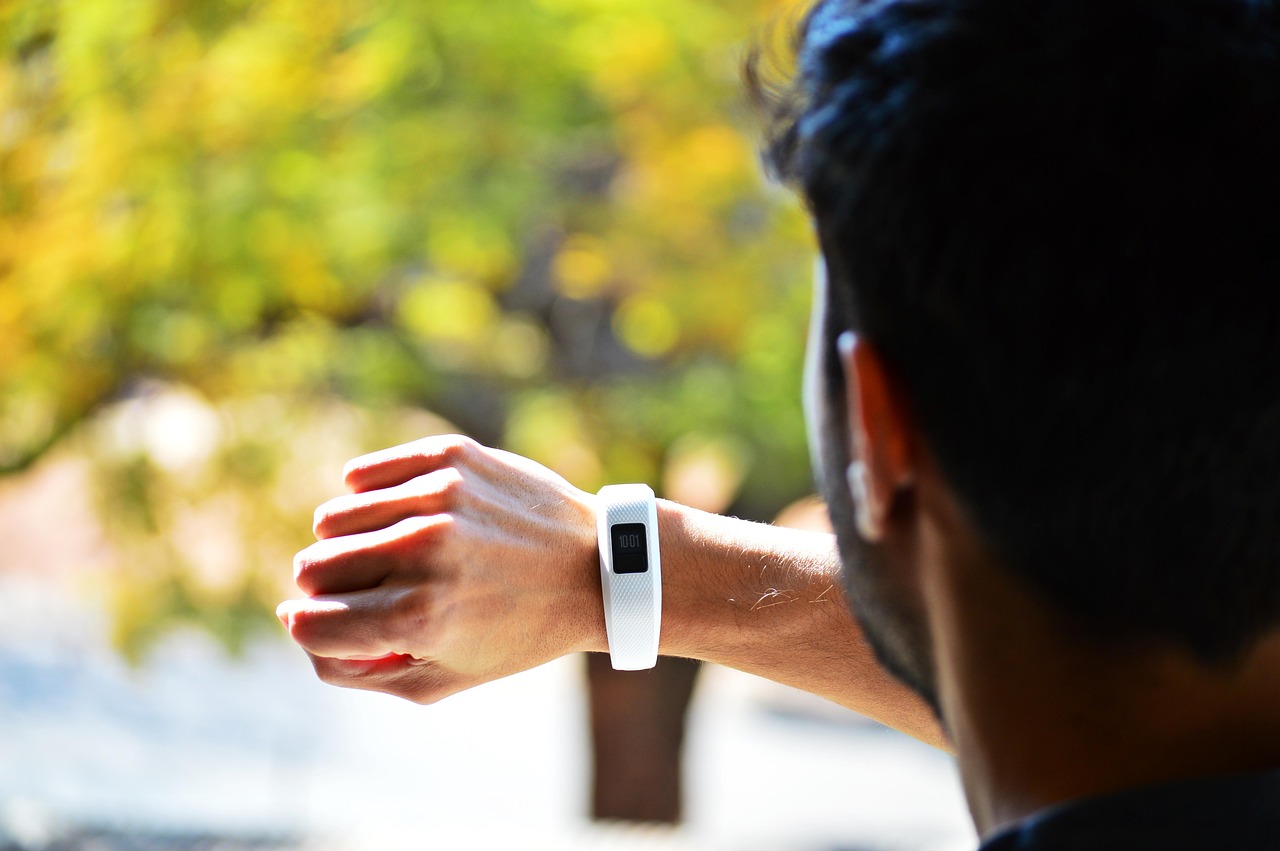

Enhancing Team Sports Training With Wearable Personalized Coaching
In the dynamic field of sports training, the integration of wearable technology has revolutionized how teams approach their training routines. Wearable devices, equipped with personalized coaching features, empower athletes to optimize their performance through real-time feedback and data analysis. Coaches can utilize these insights to tailor training sessions that meet the unique needs of each player. Athletes benefit from instantaneous adjustments based on their individual metrics, such as heart rate, speed, and fatigue levels. This robust data-driven coaching equips them to push their limits while maintaining peak performance. Today’s advanced wearables can sync with smartphone applications to provide athletes and coaches with a user-friendly interface for tracking progress. Coaches develop more customized training plans that focus on specific skill enhancement, injury prevention, or endurance building. Furthermore, personalized coaching is essential for team cohesion and communication as wearables promote accountability among teammates by tracking collective performance. As wearable technology continues to evolve, it plays a pivotal role in shaping the future of sports training and enhancing athletes’ capabilities.
One significant benefit of wearable technology is its ability to offer real-time analytics that directly influence gameplay strategies. Athletes equipped with wearables can receive immediate feedback on their physical exertion, enabling them to adapt their performance accordingly. This instant access to critical statistics allows players to make more informed decisions during practice. Additionally, wearables provide comprehensive data on team dynamics, revealing actionable insights into formations and player interactions. Coaches can analyze this data during tactical discussions, leading to more effective strategic planning. Wearable personalized coaching nurtures a culture of high performance, motivating players to strive for their best through self-awareness and continuous improvement. It also allows for more engaging training sessions that focus on player well-being; by analyzing various metrics, athletes can prevent overtraining and reduce injury risks. Moreover, integrating wellness considerations into training ensures long-term athlete development, which is crucial in competitive sports. Wearables thus reinforce the importance of balance in training regimens, combining performance and health metrics. As a result, teams incorporating wearables have increasingly observed improved game readiness and overall athletic performance.
Improving Communication on the Field
Wearable personalized coaching technology enhances communication within teams, fostering a more effective exchange of information among players and coaches. Traditionally, communication in sports often relied on verbal cues or hand signals during training sessions and games. However, the introduction of wearable devices enables instant communication through audio or visual feedback, ensuring players receive strategic adjustments real-time. Wearables can transmit information directly to an athlete in the midst of an activity, preventing misunderstandings and ensuring that everyone is aligned with the game plan. Furthermore, customized coaching messages can be programmed before matchups, which can be essential in emotionally charged situations where clarity is critical. This streamlined communication means that players can better coordinate movements and execute complex plays more effectively. By minimizing distractions and enhancing focus, players can concentrate on executing their skills precisely as coached. Coaches can thus rely on these technological solutions to strengthen team cohesion and unity. This close collaboration fosters an environment where players not only strive towards personal goals but also work collectively towards team objectives, contributing to a culture of excellence.
Moreover, wearable personalized coaching technology allows for improved athlete monitoring, which is paramount for achieving optimal performance. Coaches can utilize analytics from wearables to discern patterns in training loads and athlete fatigue, essential knowledge for scheduling sessions. By monitoring progress diligently, coaches can identify when an athlete might need rest or additional support, preventing burnout. This proactive approach helps manage athletes’ fitness levels while increasing their competitive edge. These devices also highlight the unique physiological responses of each player, facilitating individualized training programs. Advanced wearables additionally trace historical data, comparing past performances for ongoing evaluation. This historical context creates a feedback loop enabling consistent improvements over time. Consequently, coaches can utilize data to enhance training effectiveness and adjust strategies as necessary. Importantly, athletes learn to listen to their bodies better through data-driven insights, developing longevity in their careers and avoiding injuries. Coaches emphasize a holistic view of health, ensuring training includes recovery protocols. Therefore, wearables transform not just performance but also athlete education, creating a generation that values health as a pillar in achieving excellence.
Maximizing Training Efficiency
Another compelling advantage of wearable coaching technology is its capacity to maximize training efficiency. By leveraging data provided through wearables, teams can adopt micro-training techniques that focus on targeted skills rather than broad drills. Personalized coaching offers specific drills based on metrics collected during practices, allowing athletes to hone in on areas that require improvement. Games often demand condition-specific skills or strategies; wearables can adjust training sessions accordingly. These optimized drills align specifically with how players will perform during actual matches, increasing their readiness. Additionally, efficiency in training leads to saving time, enabling coaches to fit more strategic insights into shorter practices. Athletes thus spend less time in uncertain activities and more time fine-tuning essential skills. When players can efficiently build on their competitive edge, they ultimately enhance their abilities to outperform rivals. Moreover, the data-driven approach fosters an investigative mindset where athletes engage with their training extensively. This culture of efficiency shapes a competitive atmosphere where each practice session becomes purposeful, encouraging performers toward achieving their individual and team goals effectively.
The integration of wearables with personalized coaching also ushers in opportunities to evaluate an athlete’s mental condition, an aspect often overlooked in traditional training models. Mental resilience directly impacts an athlete’s performance; therefore, understanding stress levels can influence training adjustments. Wearable devices can monitor biometrics such as heart rate variability, which reflects psychological stress and readiness. Coaches can utilize this information to foster mental well-being in conjunction with physical readiness. By integrating psychological insights into training, coaches can enhance motivational strategies tailored to meet individual athlete needs. Supporting mental fortitude creates balanced athletes who excel under pressure during crucial game moments. Moreover, improved mental health leads to higher retention rates of athletes within programs. When players feel cared for holistically, they are more willing to commit and give their best efforts consistently. The fusion of technological advancements with a focus on mental resilience promises a future where athletes thrive in all facets. As developments continue, understanding the mental side of sports will become paramount, underscoring its integral role alongside training metrics.
Conclusion: The Future of Sports Training
Looking forward, the role of wearable personalized coaching technology in team sports training seems bound for expansion. As advancements progress, we may witness an influx of new features designed to enhance team dynamics further. The combination of physiological tracking with advanced AI analytics offers unprecedented opportunities for optimizing player performance sustainably. Future wearables could harness augmented reality (AR) for immersive training experiences, further enriching athletes’ engagement with their development. Teams will likely adopt these innovations to craft strategies that transform weaknesses into strengths. Enhanced data capabilities will facilitate more refined coaching adjustments, yielding stronger performances on the field. Moreover, the increasing integration of wellness and recovery protocols into these systems signifies a paradigm shift toward considering athlete health a priority. As coaches navigate shifting competitive landscapes, continuous learning through wearables will empower them to innovate training regimens. Ultimately, the convergence of technology and sports performance solidifies the importance of holistic athlete development. As such, embracing wearable technology presents forward-thinking teams with the tools necessary not only to excel in competitions but to shape a resilient generation of athletes for years to come.
The ongoing evolution of wearable technology in sports signifies a major transformation regarding athlete development strategies, risk reduction, and overall performance enhancement. This embrace of advanced tools is mandatory for those seeking to maintain a competitive edge. Integration into team sports allows athletes instantaneous access to insights that they could previously only receive through extensive video analysis or subjective assessments. The outcome is a data-rich environment where every drill, practice, and game becomes an opportunity for in-depth analysis and improvement. This technological growth enables personalized coaching in a tailored manner that suits the diverse needs of each athlete, ensuring optimal outcomes. Wearable technology positions itself at the forefront of sports innovation, revolutionizing how athletes train, heal, and ultimately perform. With the stability of constant data flow, coaches can quickly pivot strategies in response to new trends or emerging patterns seen during training or game scenarios. Athletes also find empowerment as they take charge of their development pathways, enabled by the self-awareness that comes from comprehensive tracking. In essence, wearable personalized coaching becomes a vital force driving performance, collaboration, and continuous growth in the constantly evolving landscape of team sports.