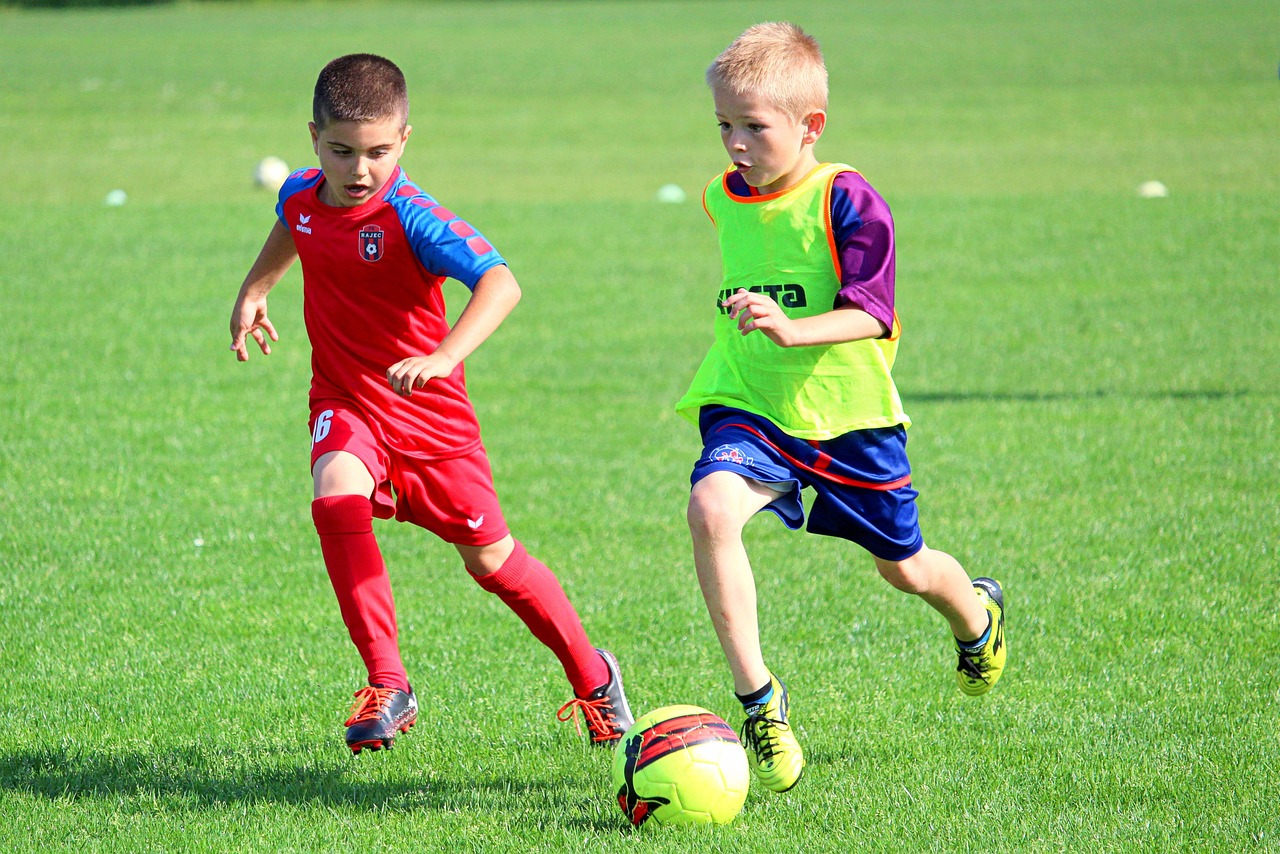

Role of Sports Organizations in Promoting Safe and Fair Play
Sports organizations play a crucial role in fostering a culture of safety and fairness within competitive environments. These entities are responsible for setting regulations and guidelines that ensure all participants can engage in activities without the threat of violence or aggression. By establishing clear standards, sports organizations set the tone for how events are conducted. This proactive approach not only enhances the integrity of the sports but also protects athletes from potential harm. Moreover, educational programs initiated by these organizations help raise awareness about the negative impacts of aggressive behaviors and promote sportsmanship. Many organizations also collaborate with mental health professionals and coaches to ensure that these values are instilled from a young age. Establishing strict penalties for violent behavior ensures that any actions contrary to fair play are taken seriously and systematically addressed. Additionally, sports organizations provide resources for conflict resolution, allowing athletes to handle disputes in a constructive and non-violent manner, thus emphasizing the importance of communication and respect. Overall, the commitment of sports organizations to these principles is essential in cultivating a positive sporting culture.
Effective communication strategies are fundamental in the pursuit of fair play within sports. Organizations invest significant effort into disseminating information regarding the expectations and repercussions related to aggression in sports. Workshops, seminars, and training sessions are organized to educate athletes, coaches, and officials about the importance of adhering to a code of conduct. This education ensures that everyone involved is aware of the behaviors that are considered unacceptable. By providing clear definitions and consequences, organizations create an environment where accountability is paramount. Furthermore, the promotion of positive role models serves as an effective method for demonstrating ethical behavior in sports. Highlighting athletes who excel in sportsmanship reinforces the idea that skill and respect are equally important. Social media platforms are also leveraged to share these messages, effectively reaching a broad audience and creating a community that values fair play. Campaigns aimed at celebrating and recognizing individuals and teams that exemplify fair play can motivate others to behave consistently with these ideals. As these strategies unfold, the sporting community continues to benefit from a collective commitment to ethical conduct and respect for opponents, ultimately enhancing the experience for everyone involved.
Building Partnerships for a Safer Environment
The partnerships formed between sports organizations and various stakeholders are vital in promoting a safe and respectful atmosphere. This collaboration broadens the resources and expertise used to tackle issues of violence and aggression. Law enforcement agencies can provide training and support for implementing emergency protocols and managing potential threats during events. Furthermore, schools and educational institutions are critical partners in nurturing a culture of respect among young athletes. By working with youth organizations, sports organizations can develop community programs focused on teaching conflict resolution and cooperation. Participants learn from an early age that violence is not an acceptable method of resolving disputes. Involving parents and guardians in these initiatives ensures that the messages about safety and fair play are reinforced at home. Referees and officials receive training on how to manage aggressive behaviors during games proactively. They are encouraged to intervene and implement the rules effectively to create a safer playing environment. Such partnerships not only enrich sports programming but also promote a more inclusive atmosphere where respect and fair competition thrive, ultimately benefiting athletes and spectators alike.
Creating a universal code of conduct is essential in establishing expectations for all stakeholders in sports. This code should encompass guidelines that clarify the boundaries of acceptable behavior for athletes, coaches, and fans alike. By having a defined set of standards, organizations can ensure that everyone is aligned with the principles of fair play. The development of this code must involve consultation with various parties, including former athletes, legal experts, and ethical scholars, to gauge the challenges faced in current sporting environments comprehensively. The universal code can also be supplemented by specific policies tailored to individual sports, reflecting their unique needs and competitive environments. Regular revisions of the code are critical to adapt to evolving attitudes towards aggression and violence. By promoting the values outlined in the code at every level, sports organizations can cultivate a culture of respect and fairness. Distributing this code widely, coupled with ongoing educational efforts, reinforces its significance and ensures that it remains a living document. In doing so, sports organizations foster a shared commitment to ethical behavior, ultimately enhancing the integrity of the sports community.
Monitoring and Accountability Measures
To maintain a commitment to safe play, monitoring and accountability measures must be prioritized by sports organizations. This involves creating systems that effectively track incidents of violence and aggression during competitions. Implementing an anonymous reporting mechanism encourages spectators, athletes, and officials to report inappropriate behavior without fear of retaliation. These reports can help organizations identify patterns of aggression and address underlying issues within teams or events. Additionally, defining clear consequences for violating the code of conduct ensures that accountability is upheld. Disciplinary actions may include suspensions, fines, or more severe penalties for repeated offenses. Regular reviews of incidents within a sport provide organizations with valuable insights into the effectiveness of their policies. This data can be used for refining existing strategies and enhancing educational programs based on specific needs and trends. Organizations can further engage stakeholders by sharing outcomes from monitoring efforts, emphasizing transparency and collective responsibility in upholding ethical standards. Ultimately, continuous assessment fosters a culture of accountability and drives progressive changes, leading to improved safety and fair play in sports for everyone involved.
Promoting diversity and inclusion is a fundamental strategy for reducing violence and aggression in sports. When individuals feel valued and respected for their differences, they are more likely to engage positively with one another. Sports organizations must actively encourage participation among underrepresented groups to create a more inclusive landscape. This involves not only recruiting diverse athletes but also ensuring representation among coaches, administrators, and officials. When diverse perspectives are embraced, the culture of the sport evolves, leading to greater empathy and understanding among participants. Workshops and training sessions that focus on cultural awareness and sensitivity can help foster these values within teams and organizations. Additionally, creating support networks for marginalized athletes helps them navigate challenges and develop resilience against aggression, both on and off the field. By standing against discrimination and promoting respect for all individuals, sports organizations cultivate a safe environment where everyone can thrive and contribute. This proactive stance against hostility contributes to a positive atmosphere that prioritizes fair play, mutual respect, and solidarity among all members of the sporting community.
The Role of Education in Preventing Aggression
Education serves as a powerful tool in preventing violence and aggression in sports. Sports organizations must prioritize educational initiatives that convey the importance of ethics, respect, and fair play. These initiatives can take the form of workshops, informational resources, and interactive sessions designed to engage participants of all ages. Engaging athletes early on with education about the effects of aggression fosters a deeper understanding of the consequences that violent behavior can entail. Integrating these themes into training schedules ensures that they are a consistent focus for athletes, coaches, and staff. Utilizing real-life examples encourages open dialogue and critical thinking, allowing participants to explore the moral implications of their actions. Additionally, including sessions that focus on mental health and emotional regulation equips athletes with the skills to manage stress and conflicts effectively. By creating a foundation of knowledge centered on ethics, sports organizations empower athletes to make informed decisions. This approach not only minimizes aggressive behavior but also fosters a culture of empathy and compassion in sports. Overall, a commitment to education enhances the integrity and safety of sports for everyone involved.
The collective efforts of sports organizations in promoting safe and fair play ultimately shape the values of the broader community. These organizations have the unique opportunity to influence not only athletes but also fans and families by promoting inclusivity and respect. Through their initiatives, they can set high standards that extend beyond the field, encouraging positive behaviors in various facets of life. Partnerships with schools, local governments, and community organizations strengthen these efforts and amplify their impact. By creating events that promote fun, competition, and respect for others, sports organizations play a vital role in nurturing a culture that emphasizes ethical behavior. Moreover, sports organizations can leverage media coverage to highlight positive stories of sportsmanship, further embedding these principles within the community’s consciousness. As the momentum builds around the promotion of safe sports, a holistic approach that addresses aggression and violence become increasingly essential. With ongoing commitment, vulnerability, and the determination to create a safe and equitable atmosphere, sports organizations establish a legacy of respect and sportsmanship that positively impacts generations to come. Ultimately, by embedding these values, sports organizations inspire hope for a brighter future within sports and the world.