
The History and Development of Progressive Muscle Relaxation in Sport
Progressive Muscle Relaxation (PMR) was developed in the early 1920s by Dr. Edmund Jacobson, a pioneering figure in therapeutic approaches to stress management. Jacobson realized that muscle tension was directly linked to emotional stress and sought a method to alleviate both. Through extensive experimentation, he created a systematic process for achieving relaxation, applicable in various settings, including sports. PMR involves systematically tensing and then relaxing muscle groups throughout the body to promote total relaxation. This technique has been embraced in athletic training to help athletes manage performance anxiety, enhance focus, and improve physical and mental well-being. Athletes often face pressures that lead to increased stress and tension, which can hinder performance. By incorporating PMR into their training routines, they learn not only to alleviate tension but also to enhance their mental resilience. Studies have demonstrated that athletes using PMR experience lower anxiety levels and improved performance outcomes. Therefore, PMR has evolved from a therapeutic tool into a significant component of modern sports psychology, providing athletes with essential skills to manage stress effectively during competition and training.
Research supporting PMR’s benefits has significantly expanded since its inception in the 20th century. Early studies indicated promising outcomes, leading to further investigation in sports contexts. Empirical evidence highlights its efficacy in managing pre-competition anxiety among athletes. Coaches and sports psychologists began to integrate PMR into training regimens not only for its immediate relaxation effects but also for its long-term benefits in fostering mental clarity and concentration. In competitive settings, where stress can be debilitating, PMR emerges as a vital tool for athletes. The training consists of several steps, including controlled breathing, focused attention, and progressive tension-release sequences. Through practice, athletes can optimize their physical responses to stressors. As a result, not just physical performance improves, but also athletes report elevated levels of well-being. PMR’s incorporation in sports training reflects a broader acknowledgment of the interplay between mental and physical preparation. The technique’s adaptability allows it to be tailored for various sports, whether in individual disciplines or team settings. High-performance athletes continue to testify to PMR’s transformative effects on their mental approach and competition readiness.
Application in Competitive Sports
The practical application of PMR in sports has led to its widespread recognition among coaches and sports professionals. The methodology is utilized effectively in pre-event routines, helping athletes achieve an optimal state of mental preparedness. Within team sports, coaches may conduct PMR sessions to foster cohesion and a shared mental approach among team members. For many athletes, learning to control muscle tension leads to increased self-awareness during high-pressure situations. Furthermore, athletes are trained to identify individual muscle groups that contribute to their stress responses. Implementing PMR can also assist in recovery after training sessions, allowing for quicker physical recuperation as muscles adapt to the demands placed on them. Sports such as track and field, gymnastics, and swimming have adopted PMR as part of their training protocols. Athletes report that incorporating relaxation techniques helps reduce muscular and mental fatigue, contributing positively to overall performance. In addition to its individual benefits, team environments can also leverage PMR to enhance unity and support among members, contributing to an increased focus on collective goals and shared success.
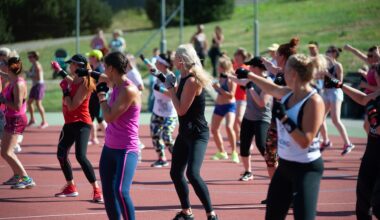
Beyond the realm of competitive sports, PMR finds a parallel in recreational athletics and fitness training. Everyday athletes engage with PMR techniques to combat stress and enhance their enjoyment of physical activity. Participants in recreational sports often experience anxiety related to performance, and PMR provides strategies to tackle this challenge, cultivating a more positive mindset. Group classes that incorporate PMR emphasize relaxation and mindfulness, further encouraging participants to embrace the process of physical engagement without the burden of competitive pressure. By fostering a non-competitive atmosphere, amateur athletes can benefit equally from relaxation strategies just as elite athletes do. This universality highlights PMR’s versatility, making it accessible for people at all levels of fitness. As interest in health and wellness increases, PMR has potential expansion into everyday life, promoting stress relief and emotional balance. Fitness instructors increasingly incorporate PMR techniques to enhance wellness programs, illustrating the growing recognition of mental preparation’s significance. This broader scope positions PMR as an integral part of holistic approaches to fitness and well-being.
The Future of PMR in Sports Psychology
As the field of sports psychology continues to evolve, so too does the role of PMR. Integrating modern technology enables the refinement of PMR practice, increasing its effectiveness among athletes. Emerging innovations, such as virtual reality (VR) and biofeedback devices, enhance traditional PMR techniques, allowing athletes to visualize relaxation responses and gauge their stress levels in real time. These advancements open up new opportunities for tailored approaches in PMR, further personalizing training experiences. Coaches can observe and analyze athlete responses to PMR and adapt programs accordingly. Furthermore, studies are examining the neurological impacts of PMR, providing deeper insights into how muscle relaxation influences mental states. This scientific inquiry ensures that PMR keeps pace with scientific advancements, continuously validating its place in sports training. The integration of PMR into mental training regimens prepares athletes for the next competitive challenges, combining evidence-based practices with individualized approaches. We anticipate increased global awareness and adoption of PMR across various sports disciplines, strengthening its value as a core component of successful athletic training methodologies.
In education and academia, the teaching of PMR to sports professionals is increasingly emphasized, ensuring practitioners possess the skill set required to implement these techniques effectively. Educational programs for coaches and sports psychologists now include PMR training as part of their curriculum, reflecting its essential role in athlete development. Trained professionals can design targeted PMR sessions based on individual athlete needs, ensuring optimal results. This focus on the practitioner’s capability highlights the importance of comprehensive training in delivering impactful stress-relief techniques. As PMR garners greater recognition, educational workshops, and seminars play a crucial role in developing a community of knowledgeable practitioners. In this supportive environment, athletes can also share feedback on the effectiveness of PMR, fostering an iterative process of improvement. Moreover, ongoing research validates PMR’s efficacy in enhancing mental health—not just in athletic contexts but across various sectors encompassing overall well-being. As PMR principles seep into educational frameworks, we can look forward to a generation of athletes who are better equipped psychologically to handle stress while thriving in their respective sports.
Conclusion: The Lasting Impact of PMR
The long-term impact of PMR on sports continues to unfold, demonstrating its profound relevance across athletic disciplines. Athletes equipped with PMR skills confront challenges with resilience, mastering the art of relaxation to reach peak performance. The acknowledgement of PMR as a foundational aspect of training reflects an evolving understanding of the stress-performance relationship. By integrating these techniques into daily practice, athletes cultivate the ability to control their physical responses under pressure. The lasting legacy of PMR transcends sport, influencing broader fields such as psychology, health, and wellness. Through a commitment to research and education, the transformation of PMR from its historical roots to a contemporary necessity illustrates its role in shaping future athletes. As PMR evolves, so does our understanding of the mind-body connection crucial for success in sports. Accordingly, PMR stands as a testament to the transformative power of relaxation strategies, showcasing how methods developed nearly a century ago continue to serve and empower athletes today, fostering well-being and excellence in both competitive arenas and beyond.
In conclusion, PMR emerges not just as a therapeutic tool but also as an indispensable component of sports training. Its development and adoption have continuously evolved, reflecting the importance of mental health and relaxation in an athlete’s overall performance. As more athletes engage with PMR techniques, we witness significant advancements in stress management and performance enhancement. The future of PMR appears bright, with evolving methodologies and integrations into sports psychology ensuring it remains a relevant and effective strategy for all athletes seeking to optimize their performance experiences. Its significance transcends competitive boundaries, unifying a diverse range of athletes who can benefit from relaxation practices. By fostering a culture of mental health awareness in sports, PMR creates lasting impacts that influence athletes well beyond their competitive years. As awareness grows, coaches play a vital role in incorporating PMR into their training programs, embracing a holistic view of athlete preparation. By prioritizing mental health and relaxation alongside physical fitness, the field of sports continues to progress, ultimately benefiting athletes across generations.