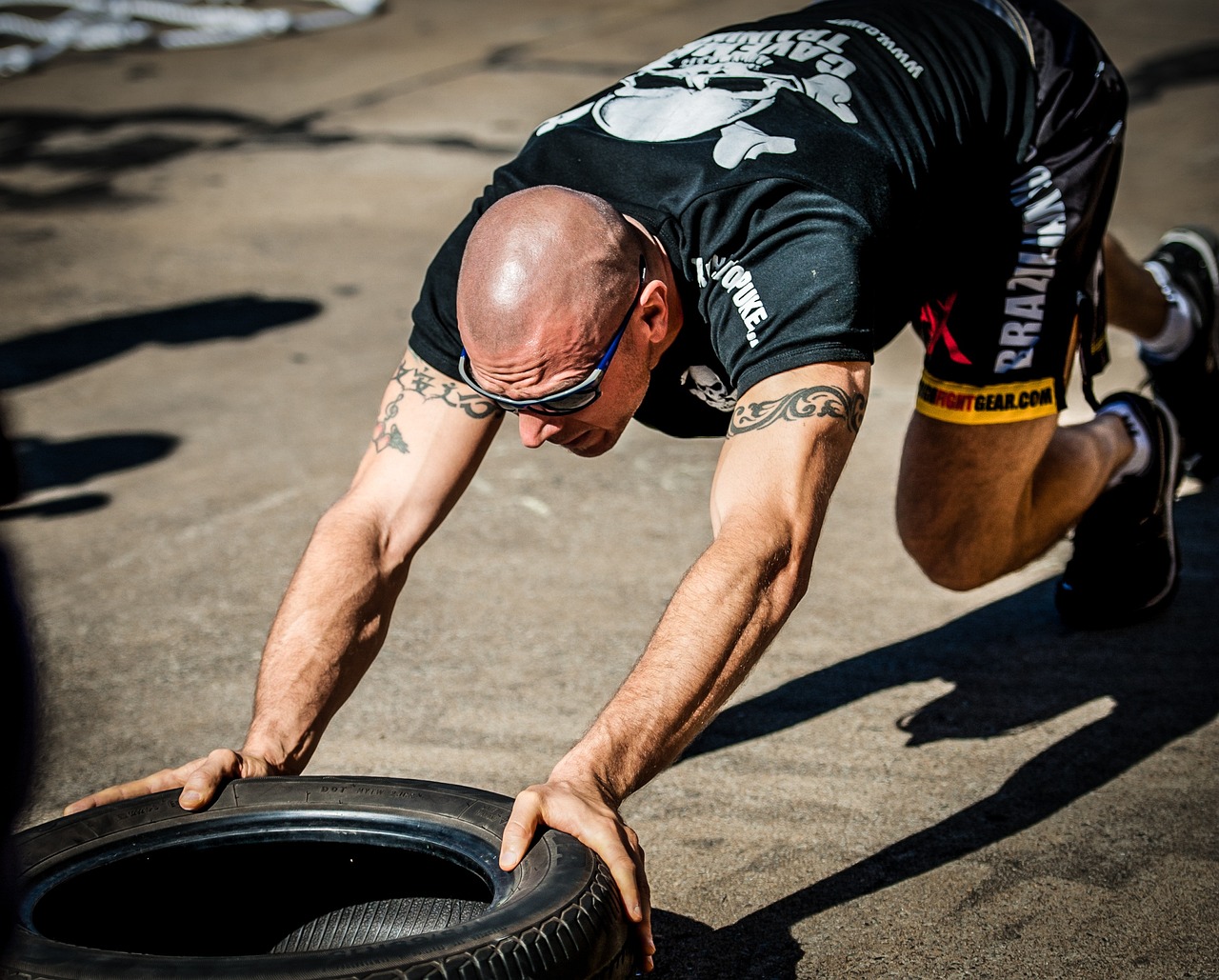

Using Functional Training to Enhance Athletic Performance
Functional training is a dynamic and effective training approach aimed at improving athletic performance through movement patterns that closely replicate real-life activities. Unlike traditional strength training, which often isolates muscle groups, functional training focuses on movements that engage multiple muscle groups simultaneously, mimicking the complexity of athletic performance. Athletes can significantly benefit from this method, as it enhances their ability to perform tasks efficiently under various conditions. To implement functional training effectively, it’s essential to understand the specific demands of the sport being trained for. For instance, a soccer player might focus on movements that enhance agility, balance, and coordination, while a basketball player might prioritize vertical jumps and lateral sprints. Utilizing tools such as kettlebells, resistance bands, and bodyweight exercises can significantly enhance the effect of functional training. The goal is not only to improve strength but also to enhance flexibility and stamina. By incorporating these elements into an athlete’s training regimen, the likelihood of injury decreases and overall performance increases, creating a well-rounded athlete capable of excelling in their respective sport.
The Principles of Functional Training
Understanding the principles of functional training is crucial for creating effective workouts. Functional training revolves around several key principles: specificity, progressive overload, and versatility. First, the specificity principle emphasizes tailoring workouts to the athletic demands of the individual. This ensures that training is relevant to their sport and targets essential skills. Secondly, progressive overload involves gradually increasing the intensity of workouts to continue challenging the body, promoting strength and endurance improvements. Lastly, versatility refers to the incorporation of a variety of exercises that engage different muscle groups and movement patterns. This variety helps prevent plateaus in performance and keeps training engaging. A well-designed program should also consider the athlete’s current fitness level and personal goals, ensuring a balanced approach that addresses all necessary aspects of functional performance. Implementing functional training based on these principles can lead to improved results, empowering athletes to achieve their best. A strong foundation built on these principles not only enhances performance but also instills confidence in athletes, making them feel prepared for the physical challenges they may encounter in competition. Ultimately, these foundational principles are the key to effective functional training.
Key benefits of functional training for athletes span a broad spectrum, focusing not only on performance enhancements but also on injury prevention. Functional training enhances neuromuscular coordination through dynamic movements that require athletes to engage their core, balance, and strength simultaneously. This integrated training approach can lead to better overall body awareness, improving reaction times in fast-paced sports. Moreover, by teaching the body to work as a cohesive unit, functional training enhances power, agility, and flexibility, critical components for success in any athletic endeavor. Improved flexibility reduces stiffness and maintains a healthy range of motion, further preventing injuries. Functional training also promotes endurance, as athletes often find their cardiovascular fitness improves when engaging in these high-energy activities. This approach can be easily adapted to developing sport-specific skills, giving athletes a competitive advantage on the field. The application of resistance training within functional paradigms ensures that the strength gained is practical and applicable during gameplay. Athletes become more versatile, able to respond effectively to unpredictable situations during competition, cementing functional training as an invaluable component of athletic preparation.
Implementing Functional Training Programs
Creating a functional training program for athletes requires careful planning and consideration of individual needs. Start by assessing the athlete’s current physical condition, including strengths, weaknesses, and movement patterns. This evaluation will help in selecting the most effective exercises to address their specific requirements. It’s essential to include exercises that target core stability, balance, and mobility in addition to strength and endurance. A well-rounded program might incorporate movements such as squats, lunges, push-ups, and rotational drills, using equipment like medicine balls and resistance bands. Variety is also essential; mixing up the workout routine not only keeps athletes engaged but also challenges their bodies in new ways. Moreover, periodization should be considered to align training with competition schedules, allowing for peak performance during critical times. Incorporating sufficient recovery periods into the plan is equally vital to prevent burnout and promote adaptations. By focusing on these elements, athletes will experience improvements across various performance metrics, effectively preparing them for the demands of their sport while minimizing injury risks.
Monitoring progress in functional training programs is crucial to ensuring athletes are on the right path to improving their performance. Establishing key performance indicators (KPIs) allows coaches and athletes to evaluate the effectiveness of their training regimen continuously. These KPIs may include measurements of strength, agility, endurance, and overall athletic performance. Regular assessments can help identify areas needing focus, helping to guide future training sessions. Strategic changes to the program can be made based on these assessments, ensuring that training remains aligned with the athlete’s evolving needs. Utilizing technology such as performance tracking apps or wearable devices can offer real-time feedback, allowing athletes to understand their progress throughout the training process. Furthermore, fostering a culture of accountability through regular check-ins keeps athletes motivated and committed. Encouraging self-reflection and goal-setting reinforces the importance of consistent training, essential for achieving long-term success. Ultimately, a systematic approach to monitoring progress ensures that athletes remain dedicated, maximizing their potential in their chosen sport while embracing the benefits of functional training.
Examples of Functional Training Exercises
Incorporating functional training exercises into an athlete’s workout routine can lead to enhanced overall performance. Examples include compound movements such as kettlebell swings, which engage multiple muscle groups, improving power and coordination. Box jumps are another effective exercise, promoting explosive strength and agility, essential for sports like basketball and volleyball. Additionally, unilateral exercises like single-leg deadlifts can enhance stability and correct muscle imbalances, further developing functional strength. Resistance bands are excellent tools for adding variable resistance to movements, allowing for customization based on the athlete’s individual needs. Core exercises, such as planks and rotational cable exercises, enhance core stability, critical for all athletic activities. Including agility drills, like ladder drills or cone sprints, improves quickness and reaction times, vital for success in competitive sports. Finally, integrating plyometric exercises helps athletes develop explosiveness and strength through quick, powerful movements. By incorporating these diverse functional training exercises, athletes are likely to achieve superior physical preparedness, reflecting positively in their performance during competition.
Functional training for athletes also encompasses the importance of mental readiness and focus. Mental conditioning exercises can help athletes cultivate resilience, concentration, and effective stress management skills. Visualization techniques, such as imagining successful performances, can significantly enhance mental preparedness, ensuring athletes approach competition with confidence. Additionally, mindfulness practices, like meditation or focused breathing, can help athletes remain grounded during high-pressure situations, improving overall performance. Furthermore, incorporating team-building activities that promote camaraderie fosters trust and communication among athletes, enhancing collaborative performance. The psychological aspect of athletic training is often overlooked; however, a strong mental foundation compliments physical training to create a well-rounded athlete. Coaches should encourage positive self-talk and goal-oriented thinking to further enhance mental fortitude. Supporting athletes in developing their psychological skills not only helps them in sports but also benefits them in other life areas. By merging the physical and mental components of functional training, athletes can unlock their full potential, ultimately preparing them for the demands of competition.