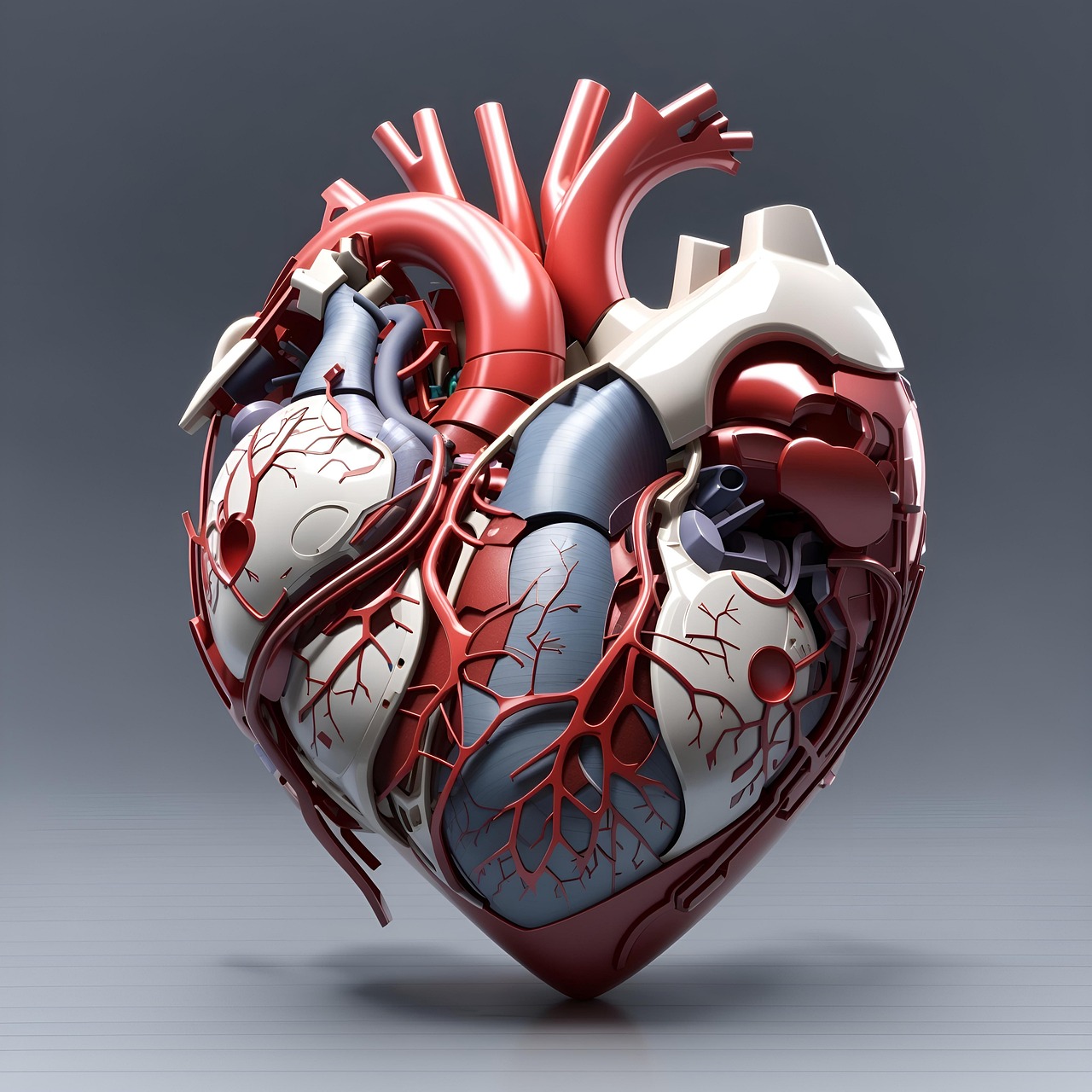

Cardiovascular Adaptations to Sport-Specific Exercise
The cardiovascular system is crucial for athletic performance, adapting specifically to the demands of various sports. When engaging in sport-specific exercises, various physiological responses occur to enhance the efficiency of oxygen delivery and utilization. Key adaptations include increased heart size, improved stroke volume, and enhanced blood flow efficiency. Additionally, consistent training can lead to better vascular health, indicated by improved endothelial function. Athletes can experience increased capillary density within muscles, allowing greater nutrient and oxygen transport. Furthermore, training can lead to lower resting heart rates, reflecting improved autonomic regulation and overall cardiovascular fitness. These adaptations not only contribute to performance but also promote health and longevity. Understanding these changes can help coaches and athletes design training programs targeting desired outcomes. Specific sports may prioritize different adaptations, requiring athletes to tailor their training. For instance, endurance sports emphasize aerobic capacity, while anaerobic sports focus on strength and power output. Monitoring cardiovascular responses can inform training adjustments, ensuring they align with performance goals. Ultimately, recognizing the nuances of cardiovascular adaptations is essential for optimizing athletic performance and enhancing overall health benefits of consistent exercise engagement.
In endurance sports, cardiovascular adaptations are particularly pronounced as athletes must sustain efforts over extended periods. Training can lead to a larger left ventricle, allowing for greater amounts of blood to be ejected during each heartbeat. This is known as increased stroke volume. Enhanced muscular adaptation facilitates more efficient oxygen extraction from the blood, which is critical during prolonged physical activity. Endurance athletes often exhibit increased mitochondrial density, enhancing aerobic metabolism within muscle cells. These changes also improve recovery rates between intensive bouts of exercise. Furthermore, consistent training leads to significant reductions in resting heart rate and blood pressure, which are crucial for long-term cardiovascular health. Increased blood plasma volume from endurance training supports these adaptations, contributing to effective thermoregulation during extended physical efforts. Additionally, frequent exercise can result in favorable changes in lipid profiles, lowering LDL and increasing HDL cholesterol levels. Overall, these cardiovascular adaptations collectively enhance endurance performance while simultaneously benefiting general health. Coaches and athletes should consider these critical physiological changes when developing effective training regimens tailored for endurance sports, ensuring optimal performance outcomes. Adjustments based on individual progress are essential for maintaining a steady path toward targeted performance goals.
Strength Training and Cardiovascular Response
While traditional thoughts associate strength training primarily with muscular adaptations, it also elicits notable cardiovascular responses. Engaging in high-intensity strength training can result in significant heart rate elevations and increased metabolic demand. During these sessions, the cardiovascular system works to supply oxygen-rich blood to large muscle groups involved in exercises. Moreover, well-structured resistance training programs can lead to acute increases in cardiac output, which is essential for maintaining exercise intensity. Chronic adaptations include improved heart efficiency and blood vessel elasticity. This is particularly beneficial, especially for older athletes, as improved elasticity aids greater blood flow and lower cardiovascular risks. While the heart works to support strength efforts, improvements in muscle glycogen storage and energy availability significantly augment performance during high-intensity strength training. Coupled with enhanced muscular strength, athletic performance can see marked improvements across various sports disciplines. Including cardiovascular-focused training within strength routines ensures balanced development, avoiding potential plateaus. It’s crucial to understand how different training modalities induce various cardiovascular adaptations, providing a fuller picture of overall fitness and athletic capability. Thus, a multi-faceted approach allows athletes to optimize their performance while ensuring long-term cardiovascular health.
The interplay between sport-specific exercises and cardiovascular adaptations is complex and tailored to athletes’ needs. Recognizing the individual requirements of each sport can lead to more focused training methodologies. For example, team sports like soccer and basketball demand varied energy systems and cardiovascular responses than individual sports such as swimming or running. In team sports, athletes benefit from interval training that mimics game scenarios, allowing for bursts of energy followed by recovery periods. This type of training specifically enhances both aerobic and anaerobic capacities, crucial for sustained performance across varied game situations. Additionally, specific cardiovascular adaptations can enhance agility and reaction times, vital components in these sports. Consequently, monitoring heart rate responses during training sessions can guide athletes in optimizing their workouts. Coaches who understand these specific adaptations can aid their teams in achieving peak performance, as essential physiological changes can improve overall game effectiveness. This understanding cultivates a training environment that simultaneously promotes athletic excellence and encourages injury prevention. By aligning training with sport-specific demands, athletes can harness the full potential of their cardiovascular systems, achieving not just immediate performance, but long-term athletic development.
Recovery and Cardiovascular Health
Effective recovery strategies post-training or competition are paramount in sustaining cardiovascular health and enhancing performance longevity. Athletes must prioritize proper recovery to facilitate physiological adaptations while minimizing the risk of injury or fatigue. Active recovery techniques, such as low-intensity exercises, help stimulate blood flow and nutrient delivery to recovering tissues. Additionally, incorporating adequate hydration and nutrition post-exercise supports the replenishment of energy reserves and repairs muscle tissues. Sleep is an equally important aspect of recovery that significantly impacts cardiovascular health. Studies have shown that sufficient sleep improves resting heart rate and overall heart function, contributing to effective recovery. Monitoring heart rate variability provides insights into an athlete’s recovery state, enabling adjustments to training intensity and frequency as needed. As athletes adapt their training based on recovery metrics, they can optimize their cardiovascular fitness and ensure consistent performance. Furthermore, emotional and mental recovery is critical, as stress-management techniques positively influence overall cardiovascular well-being. By fostering a holistic recovery approach, athletes can enhance their performance sustainability while ensuring cardiovascular health is prioritized throughout their training journey.
Individual genetic differences play a significant role in how athletes experience cardiovascular adaptations to sport-specific exercises. Understanding the unique physiological makeup of each athlete can guide the customization of training programs to better align with their genetic predispositions. Some individuals may exhibit a greater capacity for aerobic endurance, while others may excel in anaerobic power. These genetic traits influence adaptations such as heart size, blood flow dynamics, and muscle fiber composition. Moreover, genetic factors can determine how one responds to training stimuli and recovery protocols. High responders may see rapid physiological changes, while low responders may require more time and tailored approaches to achieve similar outcomes. Thus, thorough assessments and ongoing evaluations of each athlete’s progress become essential. Furthermore, incorporating genetic testing can reveal critical insights into an athlete’s potential for certain adaptations, allowing coaches and athletes to structure training regimens accordingly. Personalized approaches ensure that athletes maximize their potential while minimizing the risk of injury. Continually educating trainers and athletes about the implications of genetics can lead to more effective training strategies, fostering better performance outcomes across diverse sports disciplines.
Conclusion
In conclusion, understanding cardiovascular adaptations to sport-specific exercise is crucial for optimizing athletic performance. These adaptations are influenced by several factors, including type of sport, training intensity, and genetic predisposition. Athletes engaging in endurance sports typically demonstrate increased stroke volume, improved oxygen uptake, and enhanced blood flow. Team sports benefit from a combination of interval training, which enhances both aerobic and anaerobic capacities. Concurrently, strength training elicits profound cardiovascular responses that contribute to overall fitness. Recovery strategies prove equally essential, enabling athletes to enhance physiological adaptations while maintaining cardiovascular health. Additionally, personalizing training approaches based on genetic predisposition allows for optimized progress and reduced injury risks. Coaches and athletes must work collaboratively to monitor cardiovascular responses during training sessions regularly. Moreover, incorporating educational elements about cardiovascular physiology can empower athletes to make informed decisions regarding their training. In doing so, athletes are more likely to achieve greater performance outcomes and long-term health benefits. Ultimately, prioritizing cardiovascular fitness through varied sport-specific training enhances overall well-being and athletic potential, contributing meaningfully to a comprehensive training philosophy that supports sustained success in competitive arenas.
Further research and advancements in the field of exercise physiology continue to expand our knowledge of cardiovascular adaptations, offering exciting feedback for athletes and trainers alike. As technology advances, tools for monitoring physiological responses to exercise training are becoming increasingly sophisticated. Wearable devices now provide real-time data on heart rate variability and overall cardiovascular health, allowing for informed decision-making during training. Analyzing this data can reveal insights into an athlete’s recovery needs and readiness to train. Furthermore, utilizing wearables can help coaches design training sessions with optimal intensity and frequency to maximize adaptations. The interaction between exercise physiologists and sport scientists fosters a deeper understanding of inherent physiological mechanisms during training. Research focusing on the effects of novel training methods can also determine whether traditional practices remain effective or require adaptation. Exploring different dynamic training approaches can yield new techniques for enhancing cardiovascular fitness and performance. By staying informed and adaptable, athletes and coaches can harness the latest insights in exercise physiology to maintain competitive advantages. Innovative methods and ongoing research ensure that the integration of cardiovascular knowledge continues to support athlete performance in increasingly complex and demanding environments.