
Introduction to Ninjutsu
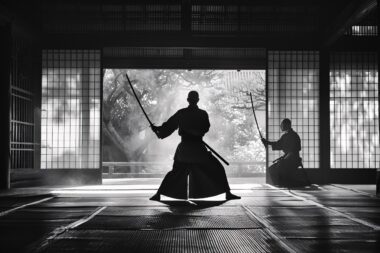
Ninjutsu, the art of stealth and guerrilla warfare, is unique among martial arts. It encompasses a variety of techniques, including unarmed combat, weapon skills, and evasion tactics. Unlike more sport-oriented martial arts, Ninjutsu’s approach focuses heavily on strategy and psychological elements. Practitioners train to adapt to various situations, using the environment to their advantage. The discipline requires not just physical skills, but mental acuity as well, making it versatile. Within Ninjutsu, we find a rich history that adds depth to its training methodologies. This ancient practice emerged in feudal Japan, shaped by the needs of the time, with layers of tradition and technique. Furthermore, unlike mainstream martial arts that are predominantly competitive, Ninjutsu concentrates on self-preservation and tactical thinking. The focus on practicality over performance often sets it apart from other styles. To gain a holistic understanding, it’s essential to compare Ninjutsu with other martial arts forms. For those interested in diverse martial arts styles, Ninjutsu offers a fascinating contrast to conventional methods that may lack its unique elements. Exploring these differences can lead to deeper appreciation for both Ninjutsu and its counterparts.
Comparing Ninjutsu and Karate
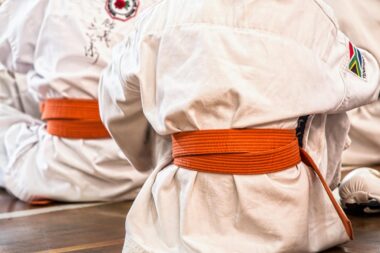
When comparing Ninjutsu to Karate, several key differences surface, showcasing their unique characteristics. Karate emphasizes striking techniques, utilizing punches and kicks to subdue an opponent. Practitioners often train in highly structured forms or katas, focusing on precision and discipline. Conversely, Ninjutsu incorporates a broader range of tactics, including grappling and stealth maneuvers. In Ninjutsu, the emphasis is placed on adaptability and resourcefulness rather than strict forms. Both martial arts share some common ground in their dedication to self-improvement, but their methodologies diverge significantly. Karate’s emphasis on striking may prepare a practitioner for tournament-style sparring, while Ninjutsu’s varied skill set focuses on real-world self-defense scenarios. Students of Ninjutsu also learn to navigate their surroundings effectively, which is not always a component of Karate. This difference emphasizes the distinct philosophies and objectives underpinning each system. As you explore these arts, understanding their variations can enrich your training experience. Each martial art brings its unique benefits, contributing to a practitioner’s overall skill set. Ultimately, both paths offer avenues for growth, though they lead down different roads in martial arts education.
Another interesting comparison arises when examining Ninjutsu and Brazilian Jiu-Jitsu (BJJ). While Ninjutsu includes striking and weaponry, BJJ focuses primarily on ground fighting and submission holds. Practitioners of BJJ train extensively in grappling, using leverage and technique to overcome opponents. In contrast, Ninjutsu incorporates a mix of disciplines, blending striking, grappling, and weapon techniques to accommodate varied scenarios. Within Ninjutsu, there’s a strong focus on situational awareness and tactical movement, enabling practitioners to evade or neutralize threats effectively. The essence of Ninjutsu lies in its adaptability and effectiveness, aiming for practical skills that apply to real-life situations. On the other hand, BJJ emphasizes its competitive nature, with students often training for sport or self-defense. The culture of BJJ fosters camaraderie through live sparring and competitions, possibly leading to a different mindset. Ninjutsu, however, often cultivates a solitary warrior ethos focusing on stealth and cunning. This variance in approach highlights what makes both martial arts invaluable. As practitioners delve deeper into these styles, they will uncover distinctive qualities that resonate with their personal goals and preferences, enriching their martial journey.
Similarly, when contrasting Ninjutsu with Taekwondo, one can identify significant differences in focus and methodology. Taekwondo is renowned for its impressive kicking techniques and dynamic movements. The training often includes forms and sparring, prioritizing speed and agility. Ninjutsu is more comprehensive, encompassing various combat disciplines beyond mere striking techniques. It nurtures versatility in both armed and unarmed confrontations, ensuring that practitioners are well-rounded in their skill sets. In Ninjutsu, the training includes stealth tactics, psychological warfare, and environmental adaptation. These components differ from Taekwondo’s more performance-driven orientation. While Taekwondo practitioners may aim for points in a match, Ninjutsu students prepare for unpredictable scenarios requiring rapid situational assessments. The applications of each martial art vary based on the philosophy guiding the training. Taekwondo emphasizes winning through skillful techniques, while Ninjutsu emphasizes survival and adaptability no matter the circumstances. Understanding these foundational philosophies enhances the appreciation of each style. Embracing diversity in techniques and philosophies allows martial artists to select paths that best align with their personal values and self-defense needs as they traverse the martial arts landscape.
Influence of Cultural Context
The cultural influences on martial arts practices cannot be underestimated, particularly for Ninjutsu. Developments in Japan’s history have profoundly shaped Ninjutsu’s evolution, embodying strategies used by its practitioners during times of conflict and instability. The martial landscape was a direct response to societal needs amid a changing world. In contrast, styles like Muay Thai emerged from Thailand’s cultural heritage, emphasizing their unique traditions and rituals. Likewise, each martial art reflects societal values where it originated. While Ninjutsu incorporates aspects of stealth and deception reflective of its historical context, Muay Thai focuses on respect, honor, and strength. This highlights the importance of cultural context when studying different martial arts. Each discipline embodies the history and ethos of its origin, offering insights into the values upheld by practitioners. Understanding these influences can better inform martial artists about their chosen styles, as they work diligently to integrate history with technique. Furthermore, the cultural components serve as reminders of the rich tapestry of martial arts, urging practitioners to consider how culture frames their practice within a broader context.
Moreover, the training methodologies employed vary dramatically among martial arts styles, influencing practitioners’ development. Ninjutsu training emphasizes a holistic approach that integrates physical, mental, and situational awareness. Students often practice various forms of combat, ranging from stealth to various weapon techniques. This contrasts with styles that may focus predominantly on one technique or application, such as Judo, which is centered on throws and holds. In Judo, the competitive spirit thrives, often fostering a sense of camaraderie among participants during sparring. Ninjutsu, however, often embraces a more solitary style of practice, as practitioners hone their skills for unpredictable scenarios. While both forms cultivate discipline and respect, their training methods reflect their diverse objectives. As the martial arts journey unfolds, students must consider which methodologies align best with their personal goals. Practicing Ninjutsu may attract those interested in adaptability and a comprehensive understanding of combat, while Judo might appeal to individuals drawn toward competition and teamwork. Ultimately, the diversity of training methods underscores the rich options available in martial arts, prompting each practitioner to explore their preferences deeply.
Ninjutsu also presents unique opportunities for cross-training and skill diversification that other martial arts may not offer. Given its multifaceted nature, practitioners often find themselves exploring various disciplines to expand their repertoire. Learning techniques from other styles can enhance a Ninjutsu practitioner’s adaptability and effectiveness. Many students of Ninjutsu choose to cross-train in striking arts, grappling techniques, or even non-combative disciplines such as meditation or yoga, enriching their martial arts journey. This flexibility enables practitioners to develop a more profound understanding of combat principles and self-defense tactics. Furthermore, such cross-training can enhance overall physical condition, mental focus, and situational awareness—qualities essential for effective martial arts practice. The willingness to utilize knowledge from various sources exemplifies a pragmatic approach, showing the importance of versatility in today’s martial landscape. Ninjutsu’s expansive framework encourages students to seek wisdom from different martial traditions to optimize their skill set. As they integrate diverse influences, students can develop a uniquely personal style reflective of their experiences and philosophical beliefs, ultimately leading to a richer martial journey.
Conclusion
In conclusion, comparing Ninjutsu to other martial arts reveals significant differences and enriching insights. Each style carries its philosophy, training methods, and cultural significance, inviting practitioners to explore those unique elements. Ninjutsu’s emphasis on adaptability and comprehensive techniques sets it apart from others like Karate, BJJ, and Taekwondo. Understanding the historical context, cultural influences, and varying methodologies enhances deeper appreciation for martial arts overall. As practitioners engage in their chosen styles, they can find value in cross-training and integrating diverse techniques from multiple arts, providing them with more comprehensive skill sets. Ninjutsu’s approach to self-defense and combat proves an intriguing alternative to the competitive nature of many mainstream martial arts. Ultimately, the journey remains personal; each individual’s exploration within the martial arts offers a path toward self-discovery, empowerment, and growth. As we analyze these diverse methodologies and philosophies, we can celebrate the rich variety of martial arts that enhance our lives both physically and mentally. Engaging with different styles allows students to develop a well-rounded understanding of martial disciplines, forging their unique identities in the martial arts community.