
Dynamic Yoga Flows to Develop Coordination and Agility
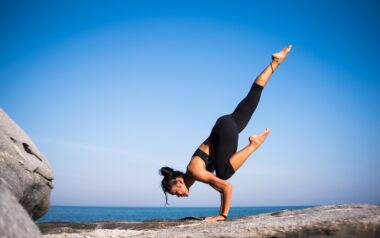
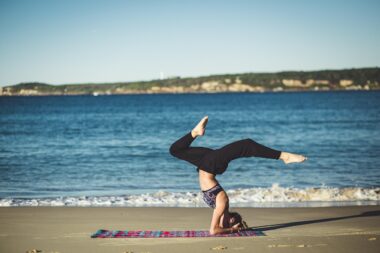
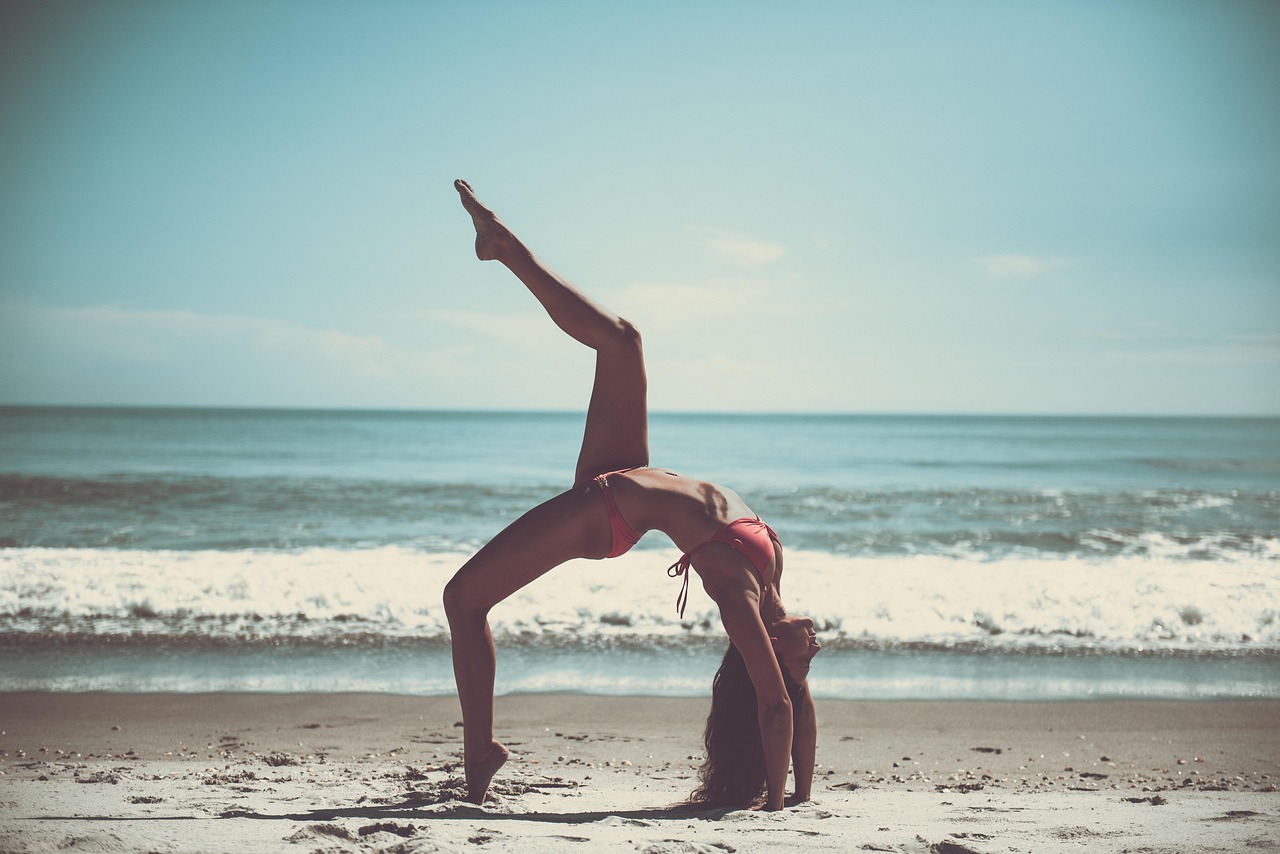
Yoga is an incredible practice that balances mind, body, and spirit. Among its many benefits, one of the key areas where yoga excels is in developing balance and coordination. Through dynamic flows, practitioners can enhance their agility and stability over time. Starting with simple poses allows beginners to build a foundation for more complex movements. As agility develops, so does the body’s physical capability to respond to various situations. Incorporating breath with movement enhances awareness, enabling responses that require coordination. For instance, practice transitioning between poses smoothly, focusing on controlling each movement’s quality and intention. It’s essential to engage the core while performing these flows to maintain stability. Additionally, consider integrating elements of strength training to further support balance. As you become more comfortable, challenge yourself with single-leg balances or inversions, combining strength and flexibility. Explore various dynamic flows, participation in classes can also offer guidance. Remember, consistency is key when it comes to cultivating balance and agility in yoga, hence regular practice is recommended for the best results and to evolve your skills.
The Importance of Balance in Daily Life
Balance is not only essential for yoga, but it also plays a crucial role in our everyday lives. As we age, maintaining effective balance becomes increasingly important to prevent falls and injuries. Engaging in activities that promote balance, such as dynamic yoga flows, helps improve proprioception and spatial awareness. Proprioception is the body’s ability to sense its position in space and respond accordingly. Regular yoga practice can significantly enhance this ability. Additionally, yoga encourages mental focus, which contributes to overall balance. Enhanced coordination in body movement helps in transitioning through daily tasks with grace and stability. This stability allows for an enhanced quality of life and the confidence to partake in various activities without hesitation. To achieve optimal health, integrate balance-focused exercises into your routine. It’s beneficial to include a variety of different yoga poses that challenge balance capabilities. Poses like tree pose, warrior III, and half-moon enhance engagement and coordination. Furthermore, practice on a stable surface, then transition to more challenging terrains or even a balance board for additional resistance. Embrace this journey towards better equilibrium in every aspect of life.
Practicing dynamic yoga flows requires a mindful approach. Begin by setting an intention for your practice. This could be focusing on balance, flexibility, or inner peace. Choose a comfortable and quiet space where you can move freely and focus completely on your body. Dynamic flows often involve transitioning swiftly between poses, keeping the flow uninterrupted. When you begin, work on basic transitions to build your confidence and understand the rhythm of your body. Once comfortable, challenge yourself with more intricate movements. For example, try shifting from downward dog to warrior II seamlessly. This helps cultivate strength and awareness simultaneously. Listen to your body and breathe deeply through each transition. If certain poses feel awkward, consider modifying them to suit your needs. Incorporate poses that engage the core and leg muscles, such as chair pose and side plank. These strengthen your foundation, aiding in better balance. Move at your own pace, don’t rush through movements. Enjoy the process and reflect on your progress. Each session provides new insights into your capabilities, thus evolving your practice consistently. The essence of yoga lies in this journey and not merely the destination.
Incorporating props like blocks or straps during dynamic yoga flows can further enhance your practice. These tools provide additional support and stability, allowing deeper access to various poses. For instance, blocks can assist in achieving proper alignment in standing poses such as triangle pose, while straps can help deepen stretches effectively. As you develop balance and coordination, you’ll find that these props can be gradually removed as your strength improves. A regular practice not only builds physical capabilities but also nurtures mental clarity and focus. The meditative aspects of yoga additionally play a significant role in achieving balance. Find moments during your practice to connect with your breath and let thoughts pass without attachment. This mindfulness increases focus, which is essential for maintaining balance and coordination. Additionally, explore different flow sequences to keep your practice fresh and exciting. Each flow can challenge your balance differently, helping to cultivate deeper body awareness. Engage with online yoga resources or local classes for guidance and inspiration. It’s vital to stay curious and explore new avenues within your practice. The world of yoga is vast, and there’s always something new to learn and experience.
Essential Yoga Poses for Developing Agility
The landscape of yoga offers a myriad of poses that specifically focus on enhancing agility and balance. Some essential poses to incorporate into your dynamic yoga flows include the tree pose, crow pose, and dancer pose. Each of these poses emphasizes balance while engaging multiple muscle groups. For example, tree pose challenges standing stability, requiring core engagement and concentration on grounding. Similarly, crow pose enhances upper body strength and balance, providing excellent practice in shifting weight steadily. Dancer pose is another great inclusion, combining flexibility and stability as it promotes an elegant balance between strength and grace. As you explore these poses, it’s beneficial to hold each for several breaths. This deepens the connection to your body and encourages greater awareness. You may also mix transitions between these essential poses, creating a dynamic flow that effectively enhances coordination. For instance, try a sequence that transitions from tree pose into dancer pose, then into warrior III. This type of flow creates an opportunity to work on agility while maintaining focus on breath. Consistent practice of these poses will lead to significant improvements in agility over time.
Building a sustainable yoga practice requires listening to your body’s cues. If something feels uncomfortable or challenging, modify or switch poses. This adaptability is part of yoga’s beauty. Avoid comparing your journey with others; everyone progresses at their own pace. Some days may feel more fluid than others, and that’s entirely natural. Focus on creating a balanced routine that includes various aspects of yoga, ensuring to integrate strength, flexibility, and mindfulness. Hydrate before and after sessions, maintaining energy levels to support your practice. Don’t neglect the mental aspect of yoga; when practicing, develop a meditative state to enhance concentration and the connection to the present moment. Observe how your body feels, and understand the zones that require more attention over time. This awareness enhances your abilities in balance and coordination. Additionally, consider combining yoga with other balance-enhancing exercises like Pilates or tai chi. These activities complement each other, enhancing core strength and stability. Overall, the key is consistency in practice to achieve lasting benefits in both balance and coordination. Your journey may take time, but celebrating small victories along the way keeps your motivation strong.
Lastly, take advantage of various resources to deepen your understanding of yoga’s effects on balance and coordination. Reading books, watching instructional videos, or attending specialized workshops can provide valuable insights into techniques and modifications. Embrace the opportunity to connect with a community of practitioners; this can foster encouragement and exploration. Sharing experiences with fellow yogis can create a supportive environment that benefits everyone involved. Take inspiration from others while remaining rooted in your uniqueness. As you see improvements in your balance, seek out challenges that push your capabilities further. Consider participating in local yoga challenges or events to expand your horizons. Aim for performance-based goals like holding a challenging pose or completing a series of dynamic transitions without losing stability. Emphasize the journey, as every practitioner’s path is different. Document your progress, whether through a journal or video recordings, to visualize growth. Celebrate milestones that reflect your hard work. Finally, remember to enjoy your practice; it’s not solely about physical achievements but also about personal growth, mindfulness, and fostering a holistic approach to life.