
Fundamental Skateboarding Tricks for Beginners
Skateboarding is an exhilarating sport that combines creativity, skill, and balance. For beginners, mastering fundamental tricks is crucial to build confidence and improve overall abilities. Starting with the basics allows beginners to develop muscle memory, enhance coordination, and increase their enjoyment of the sport. A strong foundation is essential when progressing to more advanced tricks. One key trick every skateboarder should learn is the ollie, which forms the basis of many other maneuvers. The ollie involves popping the tail of the skateboard off the ground while simultaneously lifting the front. This requires practice to perfect timing and technique. Another important trick is the kickflip, which adds a spin to the ollie, making it visually appealing and more challenging. Additionally, the 50-50 grind introduces beginners to balancing on ledges and rails, enhancing their confidence on obstacles. Consistent practice and patience are vital in mastering these tricks, so it’s essential to find sessions on safe surfaces where beginners feel comfortable experimenting. As skills improve, skaters will find themselves excited to learn even more advanced techniques. Skateboarding is about more than just tricks; it’s also about building community and enjoying the ride.
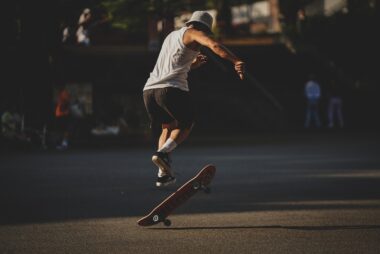
The ollie is often the first trick that beginners should focus on, as it sets the stage for a variety of other techniques. When learning the ollie, skaters should find a flat, level surface to practice. Begin with your feet placed correctly on the board, positioning your back foot on the tail and your front foot slightly forward. Bend your knees to prepare for the motion, and when you’re ready, pop the tail downward while jumping upward. This action will lift the skateboard off the ground, allowing the board to follow your feet. Ensure that you level out the board in the air by dragging your front foot upwards. It’s crucial to practice consistently, as repetition will improve timing and technique. Additionally, observing others perform the ollie can provide valuable insight into subtle tricks and tips that may not be apparent while practicing alone. As you become comfortable with the ollie, you will find yourself more confident in attempting other tricks, including the kickflip or heel flip, which incorporate similar jumping techniques. The ollie is not just a trick; it symbolizes your progression in the art of skateboarding. Remember, persistence is key in mastering any skill!
The Kickflip: An Essential Trick
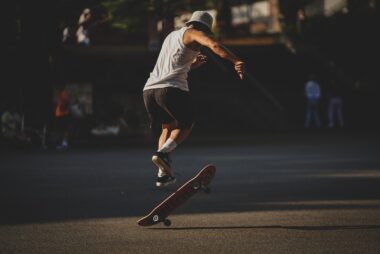
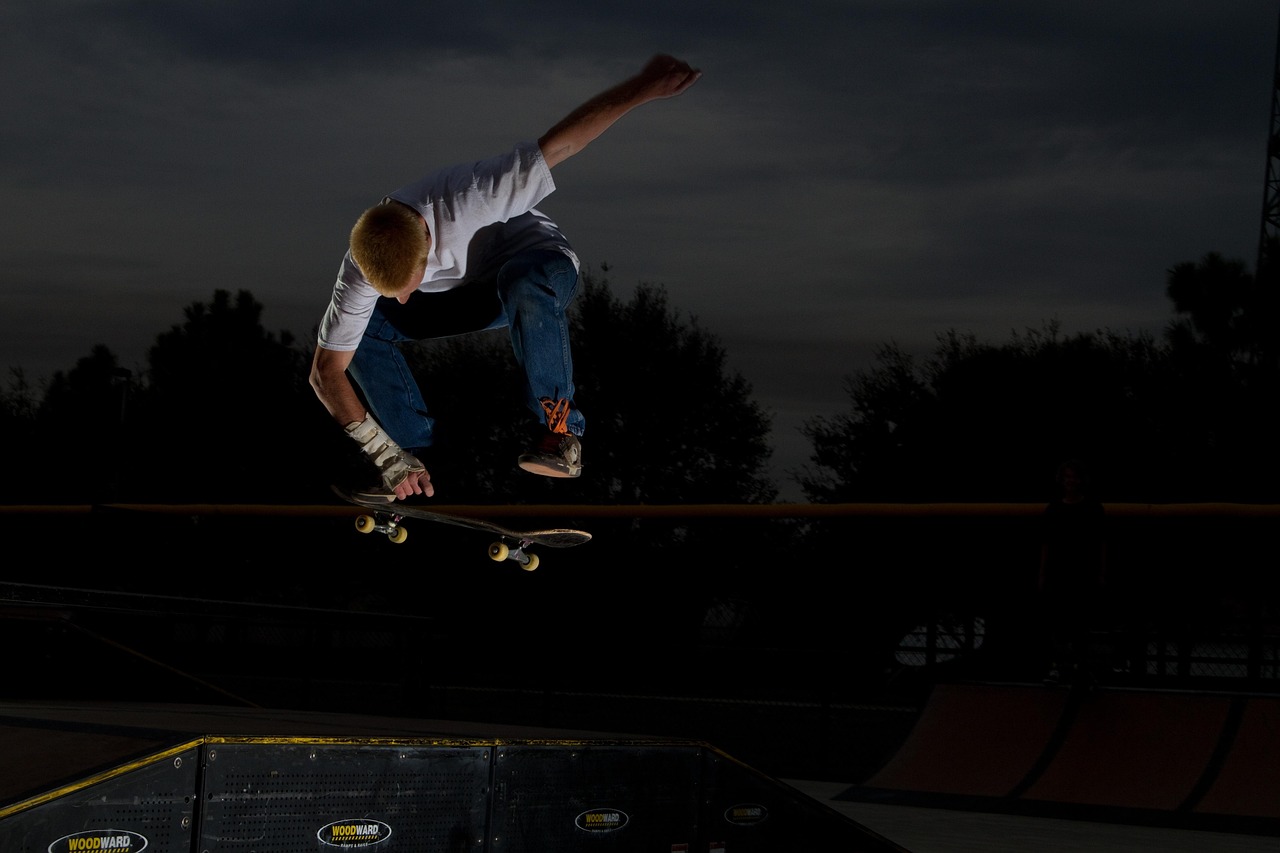
Once a beginner has mastered the ollie, it’s time to tackle the kickflip. The kickflip adds an exciting flair to the basic ollie, allowing the skateboard to spin in the air. To perform a kickflip correctly, start by positioning your feet similar to the ollie. The back foot should still be on the tail, but your front foot should be angled diagonally across the board. This angle is crucial for initiating the flip. Begin by bending your knees, ready to pop the tail of the board like before. However, instead of dragging it straight up, you will need to flick your front foot outward just as you reach the peak of your jump. This flicking motion will cause the board to spin in the air. Timing is everything when executing a kickflip, and skaters should focus on maintaining coordination between the jump and the motion of the front foot. It may take several attempts to land a successful kickflip, so don’t get discouraged. Gradually, consistency and confidence will develop, paving the way for more advanced flips and tricks. Be sure to practice in a safe environment, as falling is part of the learning process!
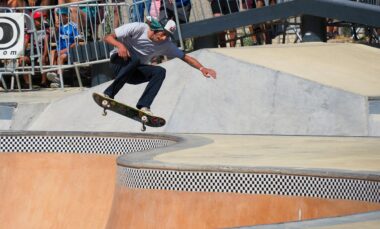
As beginners progress in their skating journey, learning the 50-50 grind is a crucial next step. This trick involves balancing on an edge or rail with both trucks of the skateboard. To prepare for the 50-50 grind, find a suitable ledge or rail that is not too high and provides sufficient grip for your trucks. Approach the obstacle with a comfortable speed, and once you’re close, prepare to ollie onto the ledge. Timing is essential when popping the ollie; you need to ensure that both your back and front trucks hit the edge simultaneously. While in the air, center your weight over the board to maintain balance, and keep your knees slightly bent to absorb any vibrations. As you slide, use your body to guide the board, staying loose and relaxed as you ride the ledge. Upon the landing, ensure a solid stance for stability. Skateboarding is about feeling connected to the board, the obstacle, and the environment. After a few successful attempts, this trick will not only boost confidence but also set the foundation for more complex grinds. Remember, practice regularly and have fun with learning!
The Importance of Safety Gear
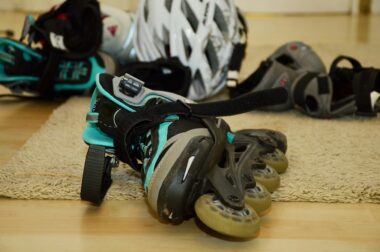
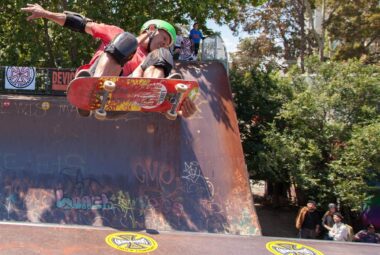
As with any sport, safety is a top priority in skateboarding. Beginners should always wear protective gear, including a helmet, knee pads, elbow pads, and wrist guards. This equipment can greatly reduce the risk of injury, especially while learning new tricks and techniques. A helmet protects your head from potential falls or collisions, while knee and elbow pads help absorb impacts when you crash. Wrist guards are essential for preventing injury during falls or when attempting to catch yourself. Wearing this gear can also encourage beginners to push themselves further, knowing they have protection in place. It’s advisable to invest in quality safety gear that fits well and offers adequate protection, as this can make a big difference. Always check your gear before skating; ensure everything is secure and free of damage. Additionally, practicing in a safe environment away from traffic and hazards helps minimize risks. As you become more experienced, you will learn to assess risks better, but having safety gear remains vital. Developing safe habits from day one will benefit skateboarders throughout their skating journey, ensuring they can continue enjoying their passion without unnecessary interruptions.
In addition to practicing tricks, skateboarding fosters a sense of community among enthusiasts. Beginners will often find that joining groups or local skate parks can provide valuable support and motivation. Observing others skateboarding can be incredibly inspiring, showcasing different styles and techniques. Whether it’s engaging in friendly competitions or sharing tips, the camaraderie among skaters is one of the distinct joys of the sport. You may meet skaters of varying skill levels, all eager to share their experiences and lessons learned. Commenting on tricks, offering encouragement, and learning together can enhance skills and boost confidence. Many local skateboarding events provide opportunities for learning and meeting fellow skaters who share similar goals. Sometimes, instructors or experienced skateboarders host workshops or classes to teach newcomers essential tricks or tips. Building friendships in this environment can enhance the overall experience of skateboarding. Consider exploring your local scene, attending events, and connecting with fellow skaters online. The skateboarding community is vibrant and diverse, often welcoming newcomers with open arms. Enjoy the journey, as the connections and friendships you make will last as long as your love for the sport!
Progressing in Your Skateboarding Journey
As skills improve and confidence builds, skateboarders can begin exploring more advanced tricks and techniques. It’s essential to remain patient and maintain a willingness to learn continually. Many beginners find it helpful to set achievable goals, creating a roadmap for their progress. These goals can include mastering a new trick, improving consistency, or even participating in a local skate event. Documenting your skateboard journey, through videos or photos, allows beginners to track their progress and reflect on achievements, creating motivation for future challenges. Offering feedback to yourself or from friends can also highlight strengths and areas that require focus. Remember to mix up your practice sessions; while repetition is crucial for mastering tricks, diversifying your approach—such as trying different obstacles or creating fun challenges—can make learning less monotonous. Whether skating in a park, streets, or at home, every ride presents opportunities for growth. Embrace the journey of learning and overcoming challenges, as every accomplished trick will symbolize the dedication and effort you’ve put in. In the world of skateboarding, there’s always room for improvement and endless potential for creativity!
Ultimately, skateboarding transcends technical skills—it is about enjoyment and lifestyle. The freedom you experience while riding on a board and the thrill of executing tricks create unforgettable memories. As you continue developing your skills, don’t forget to appreciate the ride and the moments spent on your board. Take time off to enjoy casual rides with friends or even to relax and explore different skate spots. Make time for creativity to flourish, whether it’s assembling your skateboard, customizing designs, or trying new styles and techniques. Documenting your unique style and escaping the routine often inspires others. Attending skateboarding competitions, participating in community events, and engaging with fellow enthusiasts create an exciting atmosphere. Ultimately, it is about fostering a love for the sport and building connections within the skateboarding community. The friendships you make in this exciting world will last a lifetime, shaped by shared experiences, challenges, and victories. Cherish every moment spent on your skateboard, as each ride contributes to your story in this incredible journey. Skateboarding is not just a hobby; it’s a passion that brings people together, celebrates creativity, and fosters personal growth.