
Golf Fitness Programs That Helped Lisa Lower Her Handicap
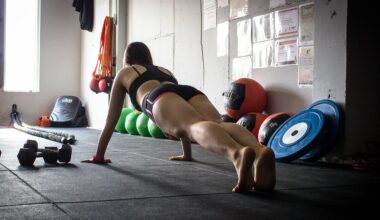
Lisa had always enjoyed playing golf but struggled with her performance on the course. Her handicap seemed stagnant, leaving her frustrated and disheartened. After much contemplation, she decided to give golf fitness programs a try. These programs are designed not just for improving strength and flexibility but also for enhancing overall golf performance. Lisa discovered that with proper exercises tailored for golfers, she could significantly improve her swing mechanics and endurance. Once she started attending the fitness sessions, she noticed changes almost immediately. The trainers focused on core stability, balance, and specific muscle groups used in golf. By investing time in her fitness routine, Lisa learned that she could tailor her workouts to meet her unique needs as a golfer. She began to feel stronger and noticed an improvement in her range of motion. This newfound strength and flexibility contributed to better performance on the course. Lisa’s enthusiasm for golf rekindled as her scores began to reflect her hard work and dedication. With each session, she became more determined to continue her journey of improvement, and it all started with a commitment to fitness.
As Lisa continued her fitness journey, she discovered various workouts that were specifically beneficial for golfers. These included strength training, flexibility drills, and cardio workouts, which played a significant role in improving her overall game. Strength training focused on her core, legs, and upper body, allowing her to create a more powerful swing. The flexibility exercises helped her maintain fluidity in her movements and reduce the risk of injury, while cardio workouts improved her stamina on the course. She also found that these exercises helped her maintain better focus throughout long rounds of golf. Each week, Lisa diligently attended her fitness sessions, motivated by the noticeable improvements in her skills. She became increasingly confident in her abilities as her body adapted to the physical demands of golf. Not only did her golf game improve, but her overall physical health and mental well-being also saw significant benefits. This holistic approach to fitness kept Lisa engaged, as she enjoyed not just the physical challenges but also the camaraderie she found with fellow golfers participating in the same programs. Together, they forged a supportive community that helped each other grow.
Creating a Personalized Fitness Plan
Realizing the importance of a personalized approach, Lisa worked closely with her coaches to develop a fitness plan tailored to her unique needs. Understanding the biomechanics of golf allowed her trainers to emphasize specific aspects of her fitness that would lead to greater success on the course. The plan included not just specific exercises but also targeted nutrition advice to fuel her workouts and recovery. Lisa paid attention to her diet, focusing on whole foods, lean proteins, and healthy fats. This commitment to nutrition complemented her fitness program perfectly and made her feel more energized during practice sessions. By incorporating flexibility exercises and strength training into her routine, she saw a decrease in muscle tightness and an increase in joint mobility. The combination of targeted workouts and improved nutrition proved to be the winning formula. As Lisa adjusted her program based on her progress and feedback, she learned to listen to her body and adapt as necessary. The ability to refine her fitness plan ensured she stayed engaged and motivated, enabling her to continue lowering her handicap. Each small victory added to her confidence and determination.
The mental aspect of golf is often just as important as the physical part, and Lisa recognized this integral connection. She began incorporating mental training exercises into her fitness regime, focusing on developing a strong mindset to complement her improved physical capabilities. Techniques such as visualization and mindfulness became essential tools for managing stress on and off the course. By practicing visualization, Lisa could imagine her success, which helped her perform better under pressure. She also embraced the importance of a positive attitude, knowing that golf could be unpredictable. Throughout her journey, Lisa learned to maintain patience and growth-oriented thinking, celebrating every improvement along the way. Training her mind as diligently as she trained her body had a profound impact on her confidence levels. This mental fortitude became a crucial component of her reduction in handicap. Friends and fellow golfers began noticing the transformation in her game and outlook. Lisa’s journey of self-discovery and self-improvement became an inspiring story within her golf community, encouraging others to explore similar paths to elevate their games beyond the physical.
The Role of Technology in Golf Fitness
In today’s ever-evolving golf landscape, technology plays a pivotal role in personalizing fitness programs and improving performance. Lisa discovered various apps and gadgets that helped her track her workouts and gauge her progress effectively. With the aid of wearables like fitness trackers, she monitored her heart rate, sleep quality, and overall activity levels. These devices kept her accountable and motivated, allowing her to adjust her regimen based on real-time analysis. Additionally, swing analysis apps provided valuable insights, helping her identify specific areas in her swing technique that needed refining. These technological aids complemented her fitness regime beautifully. She learned to utilize data to inform her training decisions and push her limits responsibly. Lisa found that technology transformed her fitness experience into a more engaging one and brought a deeper understanding of her body’s mechanics. This combination of technological innovations and hands-on coaching proved to be exceptionally powerful in executing her overall golf fitness plan. Lisa embraced a modern approach to fitness that transformed her game in more ways than one.
With her handicap steadily decreasing, Lisa decided to share her story through various platforms to inspire others facing similar challenges. Her journey highlighted the importance of combining fitness and golf, encouraging fellow golfers to consider the impact of their physical health on their performance. By sharing her experiences on social media and engaging with the golf community, Lisa created a ripple effect of motivation. Stories of her workouts and progress resonated within various networks, inviting conversations on the benefits of golf fitness. Her online presence helped to foster a supportive environment where people exchanged tips, experiences, and advice to improve their games. Lisa’s proactive approach fostered a sense of camaraderie where golfers learned from each other, regardless of skill levels. Not only did she advocate for golf fitness and its advantages, but she also established connections with like-minded individuals. By finding strength in the support of her community, Lisa continued to cultivate her passion for golf and fitness alike. Her story became a beacon of hope, motivating others to embark on their own journeys to enhance their golf performance.
The Importance of Consistency and Recovery
As Lisa’s journey progressed, she learned that consistency and recovery were equally vital to her success in lowering her handicap. Regular workouts and practice became a non-negotiable part of her routine, ensuring she steadily improved her performance. However, she also recognized the significance of rest and recuperation, especially given the intense nature of her training regime. Integrating active recovery days allowed her body to heal while still engaging in physical activities like light yoga or stretching. She also prioritized sleep and hydration, understanding how essential these elements were for optimal performance. Lisa discovered the difference between working hard and working smart, incorporating effective recovery strategies into her plan. By striking a balance between training and recovery, her performance sustained consistent improvement. This mindful approach kept her engaged and motivated while also protecting her body from burnout or injury. Emphasizing the importance of longevity allowed her to realize that golf fitness is a lifelong journey. Lisa emerged from her experience not just as a better golfer but as a more balanced individual who understood the interconnectedness of the mind, body, and sport.
As Lisa’s journey progressed, she learned that consistency and recovery were equally vital to her success in lowering her handicap. Regular workouts and practice became a non-negotiable part of her routine, ensuring she steadily improved her performance. However, she also recognized the significance of rest and recuperation, especially given the intense nature of her training regime. Integrating active recovery days allowed her body to heal while still engaging in physical activities like light yoga or stretching. She also prioritized sleep and hydration, understanding how essential these elements were for optimal performance. Lisa discovered the difference between working hard and working smart, incorporating effective recovery strategies into her plan. By striking a balance between training and recovery, her performance sustained consistent improvement. This mindful approach kept her engaged and motivated while also protecting her body from burnout or injury. Emphasizing the importance of longevity allowed her to realize that golf fitness is a lifelong journey. Lisa emerged from her experience not just as a better golfer but as a more balanced individual who understood the interconnectedness of the mind, body, and sport.