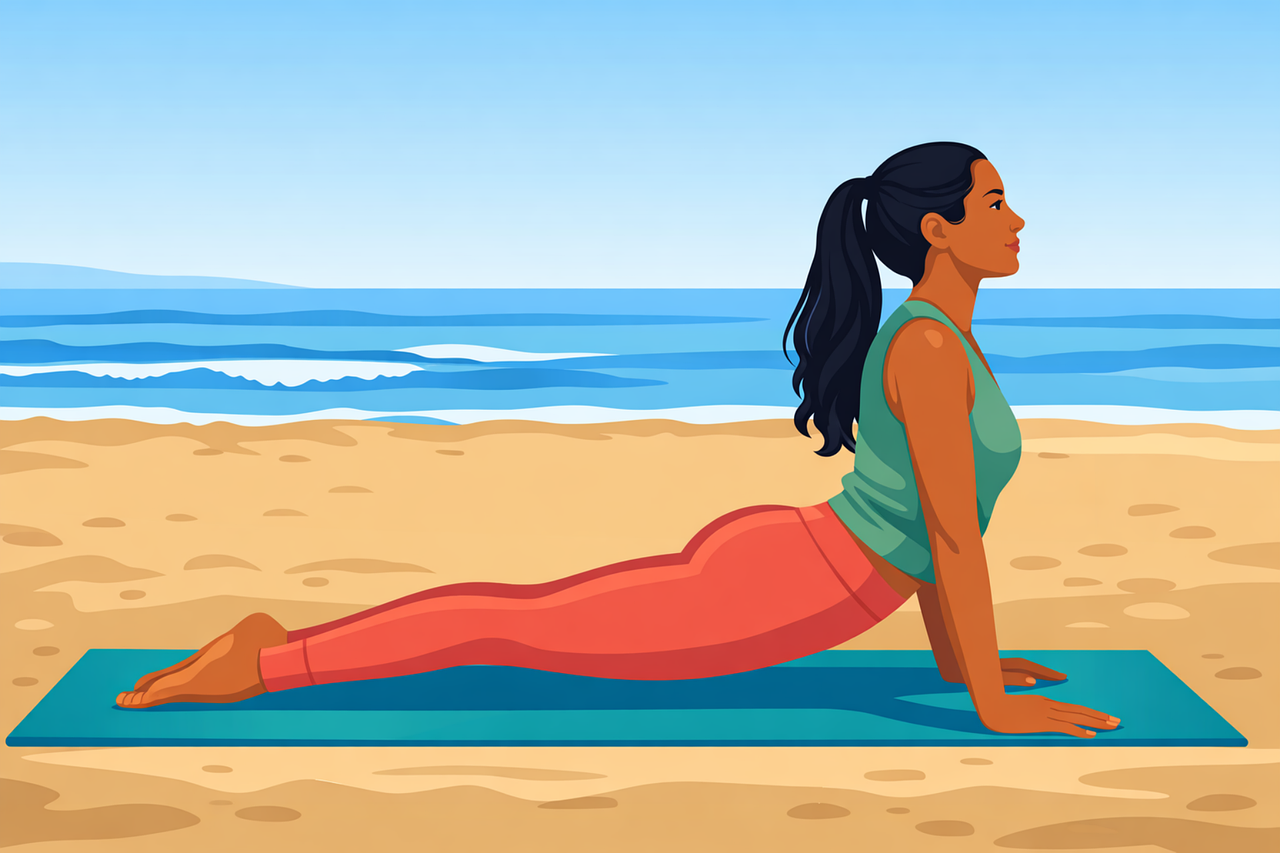

How to Track Flexibility Progress During Week 42
Tracking your flexibility can be a transformative part of any workout plan, especially during Week 42. Start by evaluating your current flexibility levels, using benchmarks such as how far you can reach towards your toes or the depth of your squats. Regular assessments will help identify areas requiring improvements and adjustments. Consider taking measurements or using videos to document your progress. Recording your stretches can help keep you motivated and accountable. Aim to include various flexibility routines in your weekly regimen, focusing on different muscle groups each day. Incorporating techniques from yoga or pilates can enhance overall flexibility. Joining a class may also provide guidance and inspiration to reach your goals. Utilizing a journal to log your workouts allows for reflection on what works best for you. Look for patterns in your training that lead to improved flexibility outcomes. Lastly, share your progress with a partner or community, as support plays a vital role in sustaining motivation. Celebrate small milestones along the way as they signify growth. Stay consistent in tracking and celebrating flexibility achievements while remaining patient with the process.
Flexibility is not merely about achieving impressive stretches; it’s about maintaining overall wellness.
Employing dynamic stretching can warm up muscles, preparing them for rigorous activity while improving range of motion. Engage in specific activities focusing on areas like the hips, shoulders, and back. Increasing flexibility often translates into better performance, helping you avoid injuries during workouts. Incorporating both static and dynamic stretches ensures balanced progress. Static stretches help enhance flexibility, while dynamic ones prepare your body for movement. Consider adding recovery days to allow your muscles to recuperate; this is crucial for continuous improvement. Listen to your body to prevent overexertion, as pushing too hard might lead to injuries. Tracking your flexibility requires consistency and a method to ensure your progress is visible. Use measurement tools, such as a ruler or tape, to document your stretching ranges each week. Taking photos or videos can offer visual proof of progress over time. Celebrate reaching goals, like touching your toes or achieving your splits. You might also engage with online platforms or apps designed for flexibility tracking. These tools can help maintain a structured approach, encouraging regular updates, and providing insightful feedback on your progress.
Techniques to Enhance Flexibility Tracking
Several techniques can remarkably improve your flexibility tracking process. First, establish a schedule dedicated to your flexibility training. This teaches your body the importance of stretching regularly, enhancing outcomes. Consistency plays a critical role in achieving results, so sticking to your plan will yield greater improvements. Consider incorporating a mix of both short and long sessions throughout the week. Some days you may only perform 10 minutes of stretching, while other days could consist of 30 minutes. Identify which times of day work best for you in terms of performance and flexibility, as each person may differ. It’s also beneficial to incorporate a flexibility partner who can assist with accountability and motivation. Adopting techniques like active release can further push your limits while ensuring muscle fatigue is minimized. Additionally, invest in a foam roller to facilitate recovery, aiding muscle relaxation and enhancing blood flow. Engaging in gentle yoga or tai chi could also provide excellent flexibility and mindfulness benefits. Don’t forget to make stretching fun! Listening to music or using guided stretching videos can enhance your experiences, turning routine into pleasure.
Monitoring your flexibility journey offers numerous long-term benefits.
Engaging with the process can lead to a sustainable and enjoyable fitness lifestyle. You’ll soon discover that improved flexibility can positively influence other aspects of your life, including stress reduction. Moreover, do not forget the importance of hydration; ensuring you’re well-hydrated can directly affect muscle performance. Combined with proper nutrition, these factors create a perfect environment for flexibility growth. Flexibility allows for improved posture, reducing physical strain in daily activities. Keeping track of your progress will teach you the best times for stretching and help you maintain motivation. Take note of your emotions while stretching, as mind and body connectivity fosters progress. Checking in with a coach or personal trainer may further ensure you’re on the right track, offering advice tailored to your needs. Aim to set achievable, tangible goals within your flexibility routines throughout the week. Whether it’s improving your reach or mastering a specific stretch, keeping your objectives realistic will maintain engagement. Flexibility doesn’t have to be a chore; rather, it should feel rewarding and encouraging. Revisit your journals regularly to notice trends and refine your goals.
Adjusting Goals Based on Progress
As you progress through Week 42, evaluating and adjusting your flexibility goals is essential. If you’ve noticed significant improvements in specific areas, consider setting higher targets. This could mean attempting new stretches that challenge your limits or increasing the duration of your routine. However, ensure you prioritize safe practices while adjusting your targets. Flexibility should develop progressively without undue strain on your muscles. If certain stretches don’t resonate with your body, research alternative poses or techniques. Sometimes adapting your routine can yield better results than simply pushing through. Furthermore, always be receptive to feedback from those around you, whether it’s from classes or workout partners. Collaborating with others can shed light on new techniques worth trying. It could also offer encouragement to maintain discipline in your flexibility journey. Document any physical changes, muscle sensations, or improvements to keep a comprehensive record of your achievements. It can help to maintain motivation as you visualize your progress, reinforcing your commitment. Lastly, stay patient; flexibility takes time and effort. Give yourself grace as you work through your journey, celebrating each milestone achieved.
Remain consistent and committed to improving overall flexibility.