
Integrating Muay Thai Techniques into Self-Defense
Understanding the fundamentals of Muay Thai can significantly improve your self-defense capabilities. This martial art not only focuses on striking techniques but also integrates conditioning, mental toughness, and strategy. At its core, Muay Thai teaches practitioners how to utilize their bodies effectively against attackers. The elbow strikes, knee strikes, kicks, and punches all become crucial tools in a self-defense scenario. Practicing these techniques helps refine reflexes and enhances physical strength, which are vital in real-life confrontations. Moreover, the training often simulates real fight situations, allowing students to apply techniques under pressure. It’s important to learn how to maintain composure when faced with aggression, which is a core tenet of Muay Thai. Employing stress management techniques during practice can help instill a calm mindset. Additionally, developing awareness of surroundings can prevent potential threats before they escalate. Incorporating Muay Thai into your routine provides not only self-defense skills but also a unique opportunity for personal development, discipline, and confidence outside the dojo. Remember, self-defense is not merely about fighting; often, avoidance is the best strategy. Understanding these principles elevates your self-defense readiness significantly.
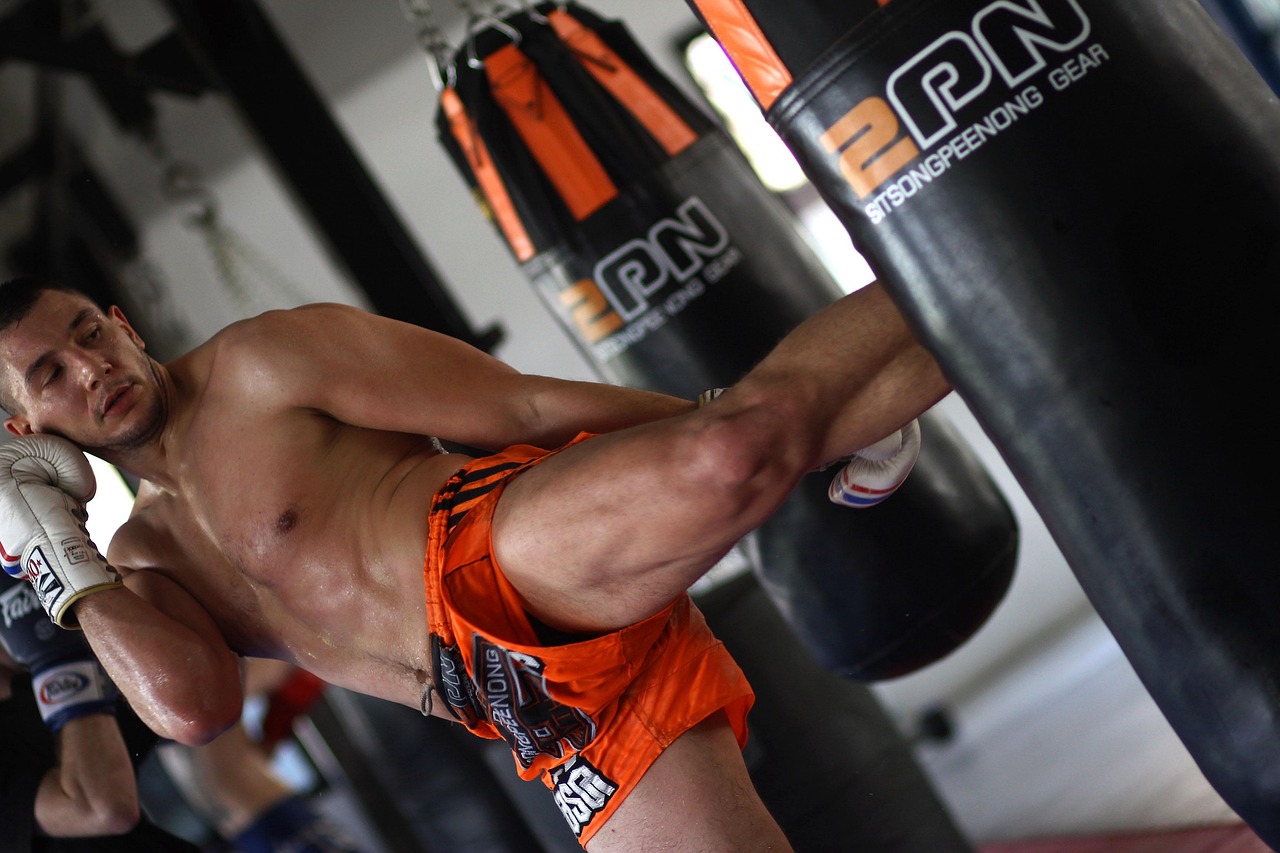
Incorporating striking techniques is essential for any self-defense strategy. The precision and power of Muay Thai strikes can effectively neutralize a threat. Focus on leveraging your body’s natural power by honing essential strikes including the jab, cross, and hooks. Strikes can be executed from various ranges, enabling you to adapt quickly to different situations. Kicks are also fundamental; the roundhouse kick, for instance, disables an opponent by targeting the legs. Practice these techniques consistently to build accuracy and confidence. Footwork is equally crucial in both Muay Thai and self-defense. Good footwork helps you maintain balance, evade attacks, and position yourself for a counterstrike. Drilling techniques in combination with consistent footwork practice leads to muscle memory. Utilize visual and auditory cues to transition smoothly between strikes and footwork. Moreover, considering self-defense situations often involves multiple attackers, integrating movement strategies like pivoting or changing directions enables you to avoid confrontation. Ultimately, combining these striking methods with effective footwork creates a well-rounded self-defense approach. Remember, practice makes perfect; regularly incorporate these drills into your training sessions to achieve proficiency.
Utilizing Elbow and Knee Strikes
Elbow and knee strikes are powerful techniques that can be incredibly effective in self-defense scenarios. They enable a practitioner to deliver short-range attacks that are difficult to evade. These techniques can be improvised in close quarters, making them ideal for situations where distance is limited. Training consistently develops muscle memory, allowing quick and effective strikes when needed. Incorporating drills focused on elbow and knee strikes amplifies your capacity to respond to aggressors. Elbows can pierce through an attacker’s defenses, targeting vulnerable areas such as the chin and temple. Similarly, knee strikes can be directed to an assailant’s midsection or face, incapacitating them quickly. Practicing combinations of these strikes enhances coordination and timing. Additionally, defensive strategies such as clinching can be implemented using elbow and knee strikes, establishing control over an opponent. Emphasizing the importance of targeting vital areas can increase effectiveness during confrontations. Ensure to utilize protective gear during practice to avoid injuries. Consistent sparring practice can improve one’s ability to adapt these techniques dynamically. Ultimately, mastering these elements provides a robust toolkit for any self-defense situation, enhancing personal safety.
Another key aspect in self-defense is maintaining proper stance and balance. A solid foundation allows one to react quickly and strikes efficiently. Muay Thai emphasizes the importance of stance; thus, integrating this principle into your self-defense training is beneficial. Your stance should be both strong and adaptable, enabling effortless transitions between offense and defense. Balance plays a critical role in executing techniques effectively; without balance, strikes may lack power and precision. Regular practice of foot positioning improves your ability to stand firm during an encounter. Body posture also affects your overall readiness; maintain a slight bend in your knees and weight distributed evenly to optimize agility. Moreover, practicing with partners helps simulate real-life situations, making you accustomed to maintaining balance under stress. Drills that involve shifting weight while practicing techniques can enhance stability and responsiveness. Consider the potential for unexpected movements from an aggressor; training oneself to adapt to these movements can greatly influence outcomes. Integrating balance drills into your regimen enables you to remain prepared and effective against various self-defense challenges. Remember, maintaining a focus on fundamentals leads to a stronger skillset.
The Role of Conditioning
Conditioning is vital for anyone looking to effectively utilize Muay Thai techniques in self-defense scenarios. Enhanced physical fitness enables a practitioner to execute techniques with power and endurance. Regular conditioning exercises are essential; these include strength training, cardiovascular workouts, and flexibility routines. Strength training increases your ability to generate force behind strikes, making each punch and kick more impactful. Cardiovascular conditioning improves stamina, allowing you to maintain energy levels throughout a potential confrontation. Additionally, incorporating pliability training increases range of motion, vital in executing diverse techniques fluidly. Engage in drills that combine movement and striking to simulate conditions faced during self-defense. It’s essential to recognize that self-defense situations may require long bursts of energy. Practices such as sparring incorporate real-life scenarios, pushing you to maintain peak performance. Furthermore, there’s a mental aspect to conditioning; being physically fit instills confidence. Confidence in one’s abilities allows for calmness during confrontational situations. Aim to develop an all-encompassing conditioning routine that prioritizes both physical and mental preparedness. Ultimately, improved conditioning enhances your effectiveness in self-defense while promoting overall health.
In addition to physical skills, mental preparedness is a crucial component of effective self-defense. The psychological aspect of martial arts can be just as important as physical techniques. Developing a strong mindset helps practitioners remain calm and composed during confrontational situations. Mental drills, visualization techniques, and stress-management strategies cultivate mental toughness. Emphasizing awareness can significantly diminish the chances of needing to apply self-defense techniques. Recognizing potential threats in advance facilitates preventive measures before confrontation arises. Incorporating scenarios during training where practitioners must decide to engage or avoid can enhance decision-making skills. Additionally, self-talk during practice can bolster mental readiness, encouraging positive reinforcement. Understanding the differentiation between fight or flight responses equips practitioners to react appropriately under pressure. Embrace the mindset that conflict can often be avoided; self-defense should be a last resort. Regular discussions with fellow practitioners about personal experiences may help in developing a better understanding of real-world encounters. By merging physical techniques with mental strategies, you create a holistic approach to self-defense. Striking a balance between these elements elevates your preparedness in effectively integrating Muay Thai techniques into any self-defense strategy.
Conclusion and Continuous Learning
Incorporating Muay Thai techniques into your self-defense regimen encourages both personal development and physical readiness. Through consistent practice and understanding various techniques, practitioners can confidently face potential threats. Remember, self-defense is more than just about fighting; it also involves awareness, mindset, and tactical thinking. Skills in striking, balance, conditioning, and mental preparedness create an all-encompassing approach to self-defense. Consider seeking guidance from experienced instructors to refine techniques and ensure safety during training. Joining Muay Thai classes or workshops can provide opportunities for practical application. Engage with fellow practitioners to share knowledge and experiences; learning from others enhances individual skills. It’s essential to remain open to feedback and be willing to adapt your training to discover new techniques. Exploring various self-defense strategies alongside Muay Thai can also deepen your overall understanding. Continuous learning is vital; always be proactive about seeking improvement. Ultimately, integrating Muay Thai techniques into your self-defense framework promotes holistic growth. Embrace the journey of martial arts while ensuring safety and effectiveness in personal defense.