
The Benefits of Yoga for Seniors: Enhancing Flexibility and Strength
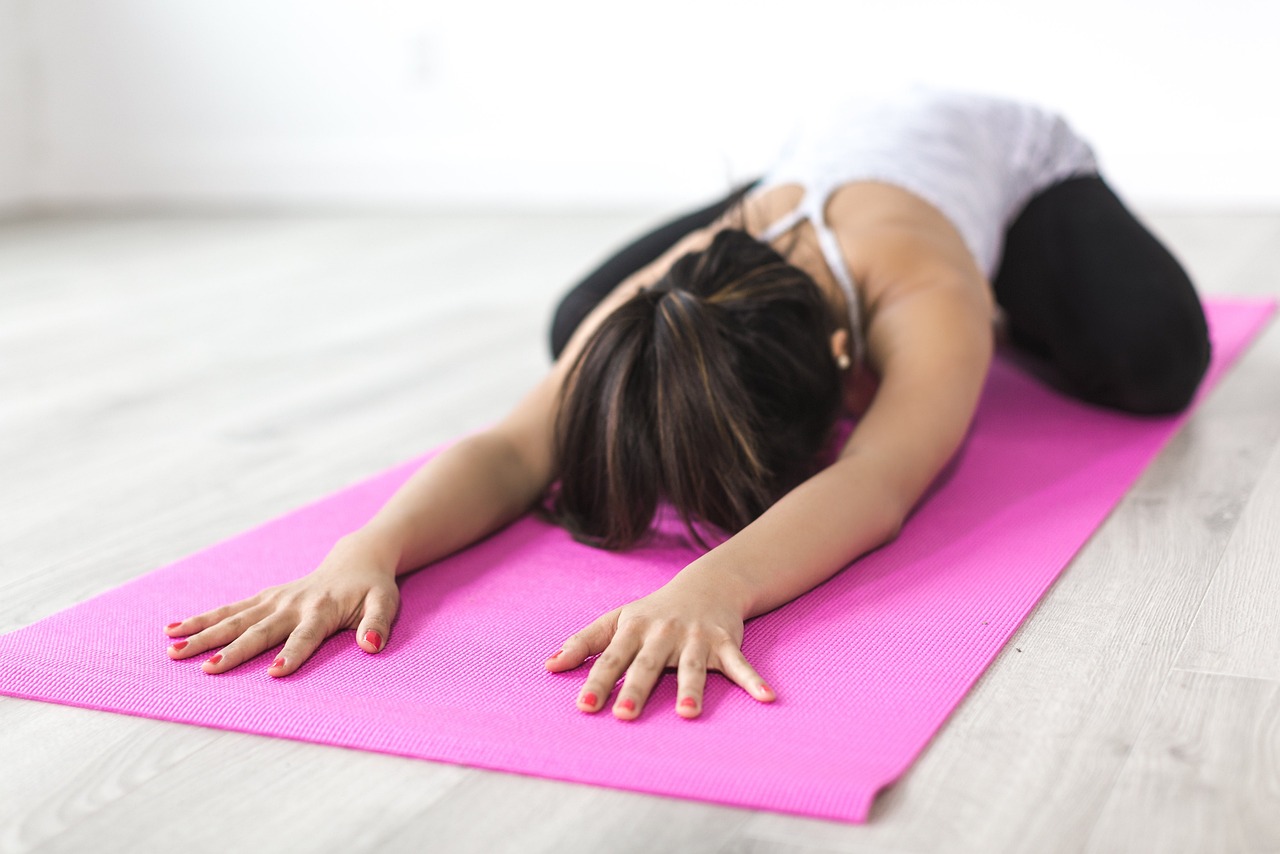
Yoga offers numerous benefits to seniors, focusing on enhancing flexibility and strength. As we age, our bodies undergo various changes, including stiffness and decreased muscle strength. Engaging in regular yoga practice aids in improving overall mobility. Poses such as the cat-cow stretch gently alleviate tension in the spine. Furthermore, yoga promotes better posture, reducing the risk of falls. Deep stretching cultivates greater range of motion in joints, substantially improving daily activities. Yoga classes designed for seniors often include chair yoga, which allows individuals with mobility issues to participate comfortably. Additionally, regular practice can enhance balance, making physical tasks easier. It’s essential to begin with gentle, restorative poses, gradually progressing to more challenging ones as confidence builds. The calming aspects of yoga also contribute to mental well-being. Many seniors find community through yoga classes, enhancing social interaction and combating loneliness. All these factors collectively support a healthier lifestyle, proving the significant advantages of incorporating yoga into the routine. Overall, seniors can greatly enhance their quality of life by dedicating time to yoga practice.
Improvement in Mental Health
Mental health is an equally vital aspect that benefits from yoga practice, particularly for seniors. Yoga has been shown to reduce symptoms of anxiety and depression in older adults. Mindfulness and meditation techniques incorporated within yoga sessions help cultivate a sense of peace and serenity. Breathing exercises teach practitioners to control their breathing, which can significantly reduce stress levels and promote relaxation. By focusing on the present moment, seniors can experience less worry about past or future stresses. Regular engagement in yoga can also enhance cognitive function, improving memory and focus. As seniors practice keeping their minds engaged, they foster mental agility and resilience. Participating in group yoga classes encourages social bonding, reducing feelings of isolation. Furthermore, the accomplishment derived from mastering new poses can significantly boost self-esteem. As seniors see physical improvements, they often feel more empowered. To enhance mental health through yoga, gentle practices such as restorative or yin yoga may be particularly effective. These styles invite deeper relaxation while addressing emotional well-being. In summary, the mental health benefits of yoga form a key cornerstone of overall wellness for seniors.
The physical aspects of yoga for seniors are integral yet should not overshadow its importance for emotional well-being. Gentle movements and breathing techniques create a safe environment for seniors experiencing various life changes. One such transition can be retirement, which may leave individuals feeling lost or unproductive. Yoga enables seniors to reestablish a routine that fosters self-care and discipline. Restorative poses not only enhance flexibility but also facilitate deep relaxation, which might be beneficial for those suffering from chronic pain. As these individuals practice, they often find relief, allowing them to engage more fully in daily life. Class environments encourage connection with others, making it easier to navigate emotional challenges together. Seniors practicing yoga also often report increased feelings of happiness due to the endorphins released during physical activity. This newfound joy can lead to a more positive outlook on life. Alongside beneficial postures, sharing experiences with fellow practitioners creates a supportive community. Engaging in yoga becomes not just about physical health but also about emotional enrichment. Ultimately, yoga transforms into a holistic approach for better aging, connecting both mind and body through practices that nourish the spirit.
Strengthening the Body
A crucial benefit of yoga is its ability to strengthen the body safely and effectively. Many seniors face declining muscle mass and strength, which can lead to decreased mobility. Yoga poses, such as Warrior II and Tree Pose, actively engage various muscle groups, increasing strength over time. The nature of practicing body weight resistance helps build strength gradually without straining joints. By improving muscle tone, practicing yoga creates a foundation for overall fitness. Additionally, better muscle strength can help with balance and coordination. Falls are a significant concern for seniors, but yoga addresses this through stability-focused poses. Increased strength enhances functionality in daily tasks, from climbing stairs to lifting objects. Furthermore, certain poses help develop the core muscles essential for maintaining posture and stability. This comprehensive approach addresses both upper and lower body strength, yielding a well-rounded fitness program. By setting achievable goals, seniors are often motivated to continue progressing in their practice. A yoga journey can also encourage a healthier lifestyle, leading to better nutrition and increased physical activity outside the studio. Thus, the journey through yoga for seniors celebrates physical empowerment.
The flexibility gained through yoga cannot be understated, particularly for seniors. Joint stiffness becomes increasingly common with age, impacting mobility and reducing quality of life. Engaging in regular yoga practice begins to alleviate this stiffness significantly. Gentle stretches contribute to improved flexibility in muscles and connective tissues. Over time, individuals may notice enhanced capability in everyday movements, such as bending down or reaching overhead. Increased flexibility also supports core stability, helping to prevent falls. Common poses like Downward Dog and Seated Forward Bend create opportunities for deeper stretching. These movements help open up the hips and shoulders, areas often tightens due to inactivity. Importantly, it’s crucial for seniors to listen to their bodies and practice within their limits. Modifications can make poses accessible, ensuring that everyone can benefit from yoga. Participating in yoga can become a delightful experience, fostering improvement in personal physical capabilities. Many seniors report feeling younger and more agile as a result of improved flexibility. This newfound ability encourages greater exploration of physical activities, fostering a sense of adventure. Therefore, flexibility training becomes a fundamental focus within yoga for seniors.
Social Interaction and Community
Another compelling benefit of yoga for seniors is the social aspect it provides. Classes frequently foster a community environment, which can be especially nourishing for older adults. Many seniors face social isolation, which can lead to feelings of loneliness and depression. Joining a yoga class offers the opportunity to meet new friends who share similar interests. The shared experience creates a supportive network enhancing motivation to practice regularly. Additionally, social interactions help in developing bonds among participants, fostering a sense of belonging. Many seniors look forward to their yoga sessions not just for physical improvement but also for emotional connections. They celebrate small victories together, whether mastering a pose or simply feeling better each day. Social engagement is vital to mental well-being, making yoga an ideal practice for addressing isolation. Moreover, attending classes can provide continuity, which is essential for developing routines. Group activities promote camaraderie, enhancing the overall enjoyment of exercise. Such connections are particularly beneficial in combating the challenges of aging, making yoga more than a physical practice. It turns into a holistic journey of lifelong friendships and personal growth.
Lastly, considering safety within yoga practice is critical for seniors. Always consult with a healthcare professional prior to beginning any new fitness regimen. Engaging in classes tailored for seniors ensures that the instructor understands unique needs and potential limitations. It’s essential to communicate any health concerns to the instructor before class to adjust practices when necessary. Workshops focusing on senior yoga often highlight safety, providing handling strategies for various poses. Modifications allow seniors with injuries or chronic conditions to practice comfortably without risk of harm. Practicing with props such as blocks, straps, or bolsters can further enhance safety by providing additional support. In doing so, seniors feel freer to explore movements without fear, allowing them to enjoy the benefits fully. Furthermore, listening to the body remains paramount — rest when necessary and don’t push through pain. Ultimately, safety is a foundational element of any beneficial yoga practice for seniors. Adopting a mindful approach nurtures a sustainable yoga journey, promoting long-term wellness. By addressing safety, seniors can truly relish the opportunity to enhance their lives through yoga.