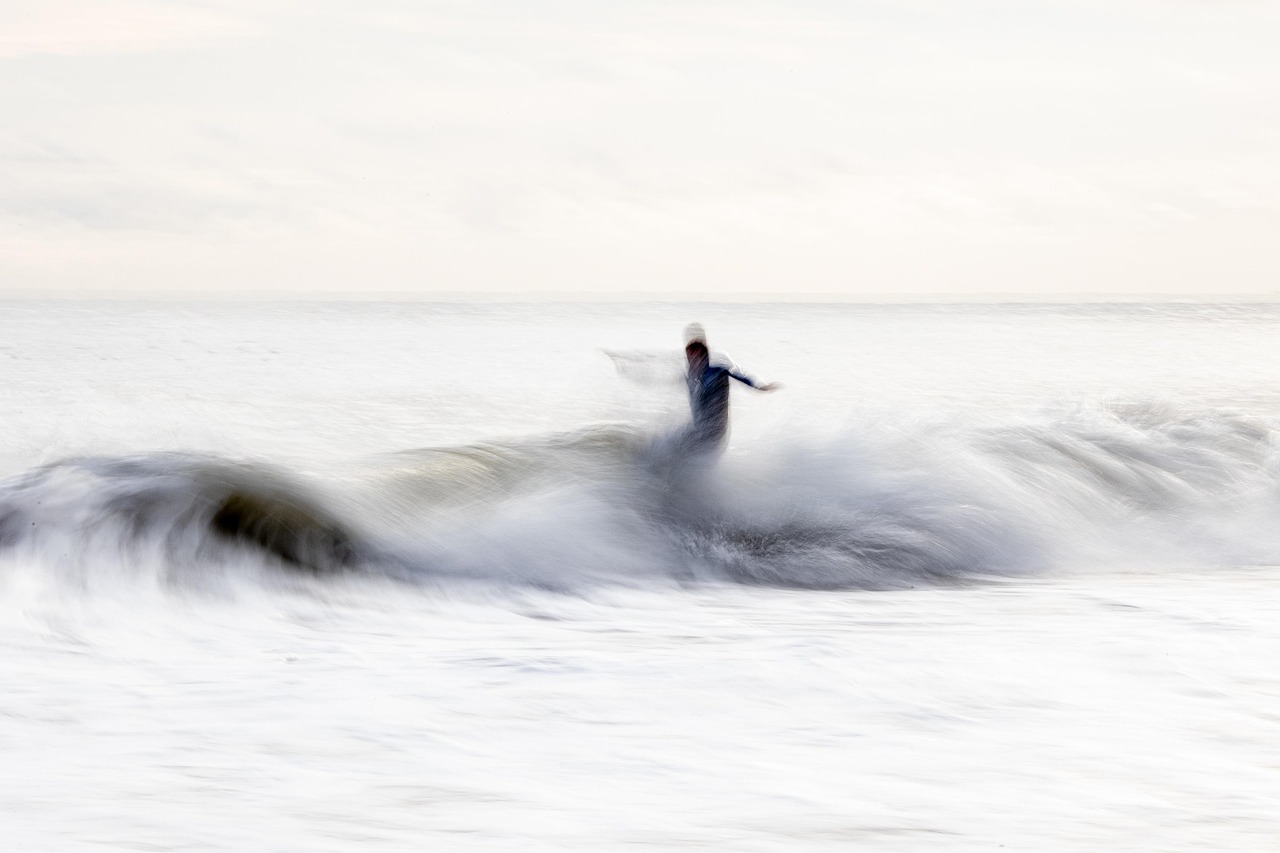

Overview of Surfing in Cold Water
Surfing in cold water presents a unique challenge, requiring special preparation and techniques to ensure a safe experience. Cold water can be a shock to the system, especially if you’re used to warmer conditions. Before heading into the frigid waves, it’s essential to invest in the right gear to keep you warm and agile while surfing. This includes a high-quality wetsuit, booties, and gloves. Each piece of equipment plays a critical role in optimizing your performance by providing insulation and grip. Furthermore, familiarize yourself with the surf spots in your area that offer the best conditions, taking note of factors like tide patterns and prevailing winds. Safety cannot be overstated; it’s crucial to know your physical limitations and the local surf community. Joining local surf groups often helps, as experienced surfers can share invaluable tips. Lastly, cold water surfing can improve your skills, pushing you to adapt and refine your techniques in adverse conditions. With practice and dedication, you can overcome these challenges and experience exhilarating moments on the waves. Embrace the adventure and enjoy the unique beauty of cold water surfing.
As you begin your journey into cold water surfing, understanding the significance of hydration is vital. Staying hydrated helps maintain your body temperature and improves overall performance. Drink plenty of fluids before hitting the waves and consider carrying a water bottle to hydrate between sessions. Cold water can sap your energy quicker than warmer waters, making it essential to nourish your body. Additionally, don’t forget about nutrition; a balanced diet rich in nutrients will significantly enhance your stamina and strength while surfing. Emphasize foods high in complex carbohydrates, healthy fats, and protein, as they provide the fuel your body needs during cold surf sessions. It’s also essential to monitor your mood and energy levels while in the water. Cold conditions can lead to fatigue, which can adversely impact your surfing performance. By prioritizing hydration and nutrition, you can ensure that you stay energized and focused while tackling the waves. Always listen to your body and recognize when it’s time to take a break. Developing a routine that includes these practices will improve your overall experience and skill level when surfing in cold water conditions.
Choosing the Right Gear
When preparing for surfing in cold water, selecting suitable gear is paramount. A high-quality wetsuit is essential to keeping your body warm and protected against the elements. Opt for a wetsuit that offers a good fit, typically made from neoprene that provides insulation while still allowing flexibility. The thickness of the wetsuit can vary depending on the water temperature; generally, a 5/4mm wetsuit is appropriate for colder conditions. Accessories like booties and gloves are also crucial for protecting your extremities from the cold. Surfing booties provide extra grip on your surfboard, which is particularly important in cold, slippery conditions. Additionally, gloves help retain warmth in your hands, allowing you to better grip your board and paddle efficiently. Don’t forget about a warm hood if water temperatures plunge significantly. Understanding your specific needs based on the cold water conditions you’ll encounter will ensure your comfort and performance. Lastly, invest in a quality surfboard compatible with colder conditions where waters can be choppier, helping you maintain balance and control while riding those waves.
Warming up before your cold water surf session is a crucial element to preventing injury and optimizing your time in the water. Engaging in dynamic stretches and light cardiovascular exercises helps prepare your body for the cold, enhancing blood flow and muscle elasticity. These preparatory exercises can significantly improve your flexibility and responsiveness while surfing. Consider performing activities like jumping jacks, arm circles, or leg swings to raise your core temperature before hitting the waves. Additionally, don’t skip the importance of a proper post-surf routine—cool down your body gradually after your session to avoid shock. Focus on stretching, hydrating, and warming up with dry clothes. If possible, find a sheltered spot from the wind while changing out of your wetsuit to help retain warmth. Especially during colder months, maintaining your body temperature is essential; therefore, wearing thermal layers after surfing makes a noticeable difference in recovery. Your muscles need to relax and recuperate, so don’t rush the transition from cold waves back to normality, ensuring you take the time needed for your body to feel comfortable again.
Mental Preparation for Cold Water Surfing
The mental aspect of surfing in cold water should not be overlooked, as it can greatly affect your performance. Embracing the challenges and discomfort of cold water can boost your confidence and resilience. Adopt a positive mindset by visualizing successful sessions; imagine yourself effortlessly riding the waves, even in chilly conditions. Cold water surfing requires a level of mental fortitude that can be cultivated through anticipation and focus. Set realistic goals for each session, gradually pushing yourself to improve your skills without overwhelming yourself. When facing the cold, remind yourself of your prior surfing experiences and the joy it brings. Mental preparation includes being aware of your breathing patterns; control your breath when catching waves as it can significantly enhance your performance. Practicing relaxation techniques, such as deep breathing or meditation, can help calm your nerves and promote mindfulness in the water. Finally, consider connecting with fellow surfers or friends sharing the same challenge; this support network can provide motivation and camaraderie, making the experience much more enjoyable, even amidst the cold.
Surfing in cold water often means facing unique challenges related to conditions and safety. Ensure that you are well-versed in cold water surf safety protocols. Understand the various types of hazards, such as rip currents and submerged rocks, which can escalate in frigid waters. Before entering the water, familiarize yourself with the surf conditions and verify that it’s safe to surf on that day. Always heed local weather forecasts and seek advice from seasoned surfers familiar with the area. Wearing a brightly colored wetsuit can also increase visibility, helping you stay safe in the water. Additionally, ensure that you are never surfing alone; having a buddy nearby allows for support during unforeseen situations. Communication is key; establish a plan with your surf partner to stay within a designated area. In the event of an emergency, staying calm is crucial. Understand how to signal for help and perform self-rescue techniques. Educating yourself on these safety measures can be life-saving, allowing you to enjoy your surfing adventure even in the coldest of waters.
Improve Technique for Cold Water Waves
Mastering surfing in cold water necessitates refining your techniques to accommodate different conditions. Cold water can create solid wave structures that offer great challenges and opportunities for improvement. Focus on your paddling technique to efficiently navigate through the waves. This includes maintaining a balanced position while paddling, keeping your core engaged, and utilizing powerful arm strokes. Be mindful of your positioning; choosing the right spot in the water is crucial for optimal wave-catching. Additionally, practice proper take-off techniques, as cold water waves may require quicker responses due to their rapid formations. Practice your balance on your board, as cold water tends to be choppier, leading to potential wobbles and slips. Embrace the challenges presented by colder temperatures; these circumstances can provide invaluable lessons in adaptability and perseverance. Experiment with tricks and maneuvers, as this could be the opportunity to refine your skills when faced with varying ocean dynamics. Each wave is a chance to learn—embrace the lessons that cold water surfing offers and transform them into strengths in your overall surfing journey.
On your cold water surf adventure, understanding the importance of recovery practices can ensure your overall well-being. After spending time in cold conditions, prioritizing recovery tactics allows your body to bounce back and retain strength through regular surfing sessions. Hydration, as previously mentioned, is critical to this process; drink plenty of fluids before and after surfing to replenish your body. Consider warming your core temperature through any remaining heat sources, like hot drinks or warm towels, and replenish electrolytes lost to cold exposure. Targeting sore muscles with gentle stretches or a warm-up bath can do wonders for your recovery time. Additionally, post-surf meals rich in protein and antioxidants will help repair any muscle damage incurred during your session. Engage in light physical activity, like walking or yoga, to stimulate blood flow and aid recovery. Don’t underestimate the value of rest—allow yourself time to recuperate before your next surfing endeavor. By embracing these recovery methods and integrating them consistently, you’ll enhance your surfing performance and manage the rigorous demands of cold water conditions. Ultimately, enjoy your surfing journey and build lasting memories on these exciting cold water waves.