
Tools and Foam Rollers: A Guide to Effective Myofascial Release
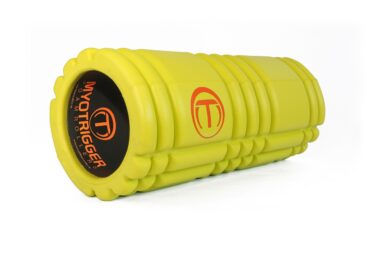
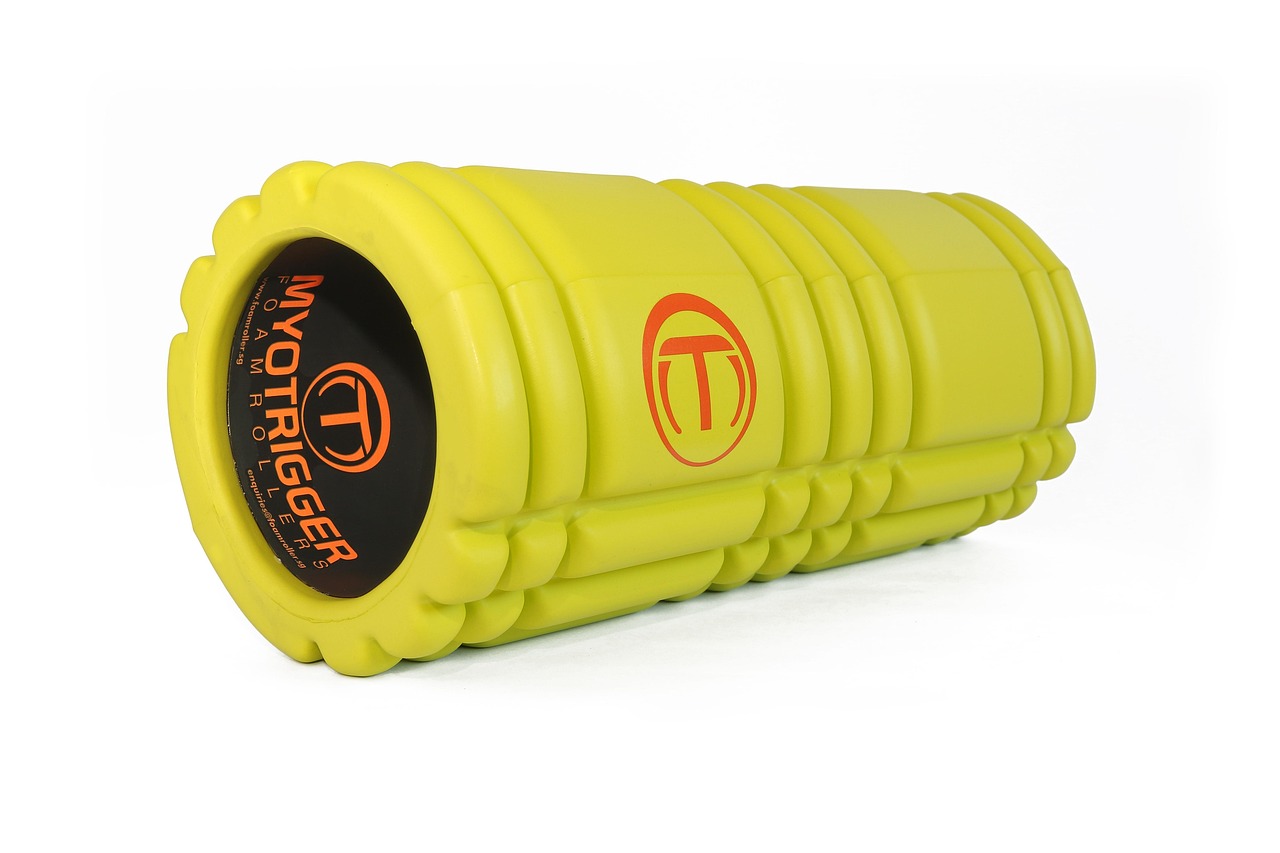
Myofascial release therapy is a specialized treatment targeting the fascia and muscle groups in a person’s body. It aims to enhance flexibility and mobility, crucial for optimal body performance. One popular tool used in myofascial release is the foam roller, a cylindrical tube that helps alleviate muscle tension and improve blood circulation. Using foam rollers effectively involves learning specific techniques for various muscle groups, including legs, back, and hips. They are generally easy to use and accessible for both beginners and experienced practitioners. In addition to foam rollers, there are other useful tools, such as massage balls and trigger point therapy devices. These tools can be integrated into your routine to promote recovery or increase flexibility, significantly benefitting individuals engaged in regular physical activities. Coupled with consistent and mindful use, these tools can help reduce muscle soreness after workouts and improve overall muscle function. Incorporating flexibility and mobility work ensures a more balanced and capable body, ready to embrace daily tasks or athletic challenges without discomfort or restrictions. The effectiveness of these techniques lies in understanding proper body mechanics and movement patterns.
Understanding Myofascial Release Techniques
Myofascial release techniques involve applying sustained pressure to the fascia, which is the connective tissue surrounding muscles. This technique helps relieve restrictions and improve movement efficiency throughout the body. When using foam rollers, it is essential to target specific areas that feel tight or restricted. Roll slowly, pausing on tense spots to allow the body’s natural healing response to activate. This process drastically improves muscle flexibility, enhances performance, and decreases the risk of injuries. Additionally, individuals should consider integrating breath awareness by inhaling deeply as they apply pressure, and exhaling as they release tension. Rolling can be performed before workouts to warm up muscles, or post-workout to aid recovery by flushing out toxins. Pain is often an indicator that the muscle requires more focus; being aware of your body’s responses can help tailor the release techniques to suit individual needs. Keeping a consistent routine enhances results, gradually leading to more significant improvements in flexibility and range of motion. Lastly, combining myofascial techniques with stretching exercises can yield more profound benefits, allowing individuals to engage in activities with greater ease and efficiency.
Many people wonder about the best types of foam rollers and other tools available for myofascial release. There are several variations of foam rollers, including lightweight, medium density, and high-density options. The density you choose will depend on your body type and sensitivity; for instance, beginners might start with softer rollers before progressing to firmer ones. Additionally, foam rollers come in different sizes, shapes, and textures, which can alter the intensity of the massage experience. Textured rollers can provide a deeper tissue massage, engaging trigger points more effectively than smooth rollers, making them useful for advanced practitioners. Many individuals also find massage balls helpful for targeting specific muscle knots or areas hard to reach with a roller. When combined, these tools can provide a comprehensive approach to myofascial release, capable of addressing various issues related to muscle tightness and discomfort. Incorporating these tools into a regular mobility routine will improve muscle recovery, increase blood circulation, and enhance overall flexibility. Exploring various tools allows users to discover what works best for their individual needs and preferences while ensuring a more enjoyable experience in their recovery journey.
Essential Techniques for Effective Release
When utilizing foam rollers and massage tools, it’s essential to apply the right techniques for the best results. Start by identifying tight areas in your body. Once found, position the roller or ball underneath the muscles in question, applying gentle pressure. Slowly roll over the area, adjusting your body position as needed to target specific muscle groups effectively. Maintain proper posture and body alignment during these sessions; this will enhance the effectiveness of the release. Hold on tight spots for about 30 seconds to allow the fascia to soften and release thoroughly. It’s vital to stay mindful of your body’s response; discomfort is normal, but any sharp pain should be avoided. Incorporate dynamic stretching or static stretching following your rolling routine to boost muscle flexibility. Prioritize consistency by incorporating these techniques into your workout regimen or self-care routine. Regularly rolling can promote effective myofascial release resulting in improved overall performance. Ultimately, understanding and practicing these essential techniques will lead to long-term benefits, enhancing your body’s mobility while helping manage muscle tightness efficiently.
Individuals seeking effective myofascial release should also consider their triggers. Identifying muscle groups that are habitually tight can direct focus during rolling sessions. Many athletes often experience tightness in their lower back, quadriceps, or calves. By prioritizing these areas, users can maximize the benefits of rolling by addressing them more frequently. Creating a habit of rolling these specific muscle groups for a few minutes daily can lead to substantial improvements over time. Additionally, ensure you use proper hydration before and after performing myofascial release to optimize results. The body benefits from a well-hydrated state, which can improve muscle elasticity and overall recovery. Mixing roller routines with other flexibility-enhancing practices like yoga can create a holistic approach to mobility. Active recovery methods combined with myofascial techniques not only reduce soreness but also promote relaxation and overall well-being. Moreover, being open to experiment with various tools and techniques will empower users to personalize their routines, addressing their specific needs. Ultimately, effective myofascial release can play an essential role in athletic training, injury prevention, and overall health.
Integrating Mobility Work into Daily Life
Incorporating myofascial release into daily routines greatly enhances flexibility and mobility. Designate specific times during the day or week to spend rolling out tense areas. This consistent practice can yield valuable benefits, ensuring that flexibility is maintained. Begin your day with a short rolling session or use breaks at work to alleviate tension that builds throughout the day. It’s also helpful to roll out tight spots after engaging in strenuous activities or exercise. By prioritizing mobility work, you instill a habit that promotes bodily awareness and fosters a more active lifestyle. Encouraging others, such as friends or family, to join in can make the process more enjoyable and social. Sharing techniques, tips, and experiences creates a supportive atmosphere where everyone can work toward improving their flexibility and mobility. Additionally, integrating mobility exercises into your favorite physical activities, such as dancing or walking, can enhance enjoyment and fulfillment. Engaging in consistent myofascial practices fosters a more profound connection with your body while improving day-to-day functioning. Empowering yourself to prioritize flexibility and mobility maximizes physical potential, cultivating a more balanced, agile, and resilient body.
The journey of effective myofascial release begins with understanding your body and its specific needs. As you explore various tools and techniques, remember to remain patient and open-minded. The results from myofascial release and flexibility exercises may not be immediate, but consistency promotes long-term benefits. Utilize mobile apps or videos to gain insights into proper techniques and tips for getting the most out of each session. This knowledge combined with proper tools creates an effective framework for enhancing flexibility and mobility. Connecting with a professional trainer or physiotherapist can also help guide you in developing a tailored plan specifically suited to your body and its needs. Their expertise can significantly accelerate your understanding and practice of myofascial release. Lastly, don’t hesitate to adjust your routines. Stay aware of how your body feels, and don’t shy away from trying new techniques, tools, or routines. Adapting your myofascial release journey ensures that you will experience continued growth and improved mobility. By embracing this journey, you take control of your body’s flexibility and mobility, leading to a healthier, more active lifestyle.