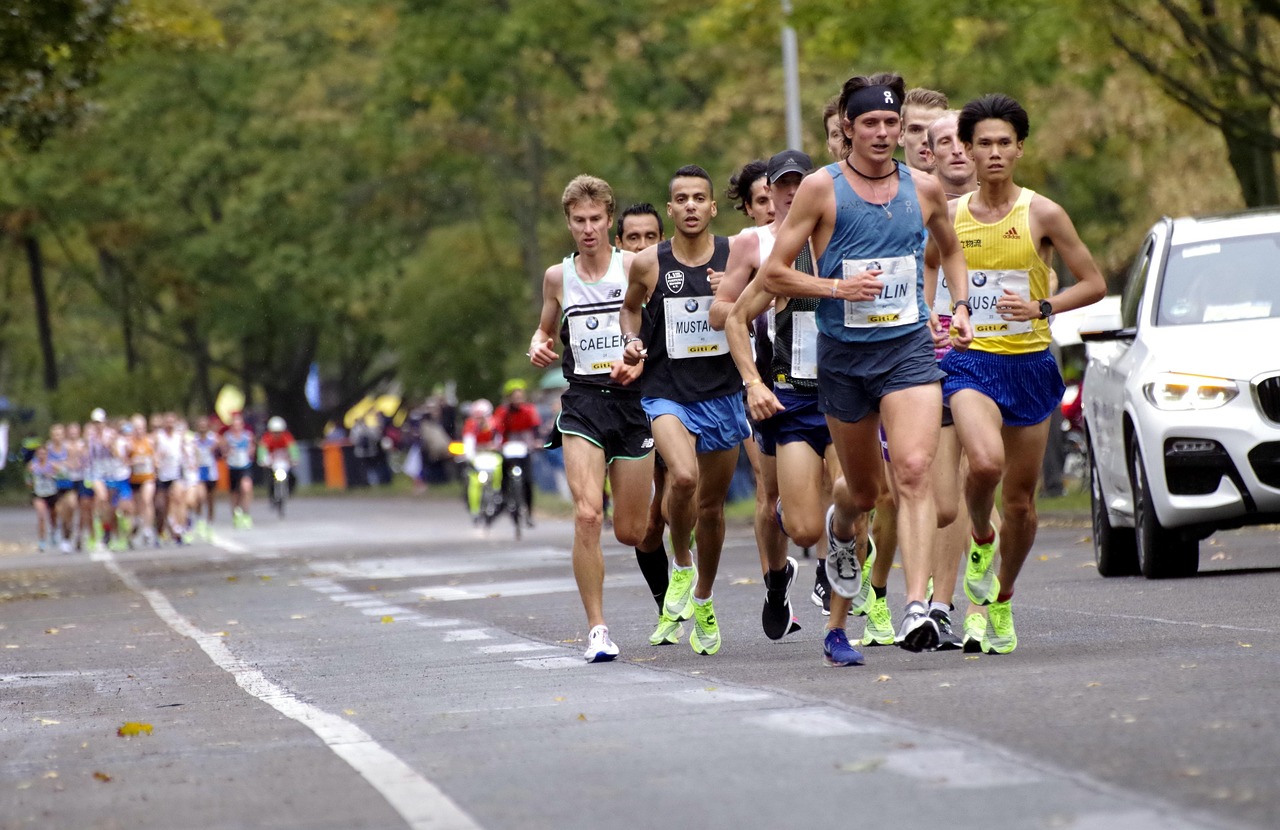

Treatment and Recovery from Overuse Injuries in Endurance Athletes
Overuse injuries are prevalent among endurance athletes due to repetitive strain on specific body areas. Proper treatment and recovery protocols are essential for maintaining athletes’ performance and health, as these injuries can lead to prolonged downtime. Common types of overuse injuries include tendonitis, stress fractures, and bursitis. Each condition may have unique symptoms, yet they often share underlying causes. A comprehensive understanding of these injuries helps in devising effective rehabilitation strategies. Shock absorbing equipment, appropriate footwear, and ensuring proper technique during training can prevent many overuse injuries. Nevertheless, when they occur, timely intervention is crucial. In managing overuse injuries, rest, ice, compression, and elevation (RICE) play fundamental roles. However, rehabilitation does not solely focus on these methods. Alternative therapies, including physiotherapy and acupuncture, might complement treatment. The importance of gradual return to activities is also paramount for preventing re-injury. By incorporating strength and flexibility training into recovery plans, athletes can improve their resilience, making them less susceptible to future injuries. Overall, a holistic approach considering physical, psychological, and environmental factors is vital for successful recovery.
Identifying the root cause of overuse injuries is essential for effective treatment. Often, factors such as training intensity, frequency, and biomechanics play critical roles in injury development. Athletes should regularly assess their training regimens to ensure their bodies can handle the load. Many times, inadequate recovery time contributes to overtraining, increasing the risk of injury. A few signs to watch for include persistent soreness, fatigue, and decreased performance. Regular consultations with sports medicine professionals help identify potential issues before they escalate. Additionally, athletes should incorporate proper warm-up routines to prepare muscles before engaging in strenuous activities. Stretching, dynamic movements, and sport-specific drills can significantly reduce injury risks. It is also vital for coaches and support teams to monitor athletes closely for any signs of distress or discomfort during training or competitions. Should symptoms arise, they must encourage open communication, allowing athletes to express concerns without fear of reprisal. Personalized training modifications, combined with reintegrated recovery strategies, can be beneficial. By fostering a supportive environment and prioritizing athletes’ wellbeing, teams can enhance both performance and health in the long term.
Rehabilitation Techniques
Rehabilitation techniques for overuse injuries in endurance athletes vary, encompassing a blend of physical therapy, strength training, and advice. To start, physical therapy is pivotal for restoring mobility, reducing pain, and enhancing strength. Tailored exercise regimens focus on correct biomechanics and avoiding further strain. After evaluation, therapists may incorporate manual therapy techniques to alleviate tension in muscles and fascia. Additionally, specific exercises designed for affected areas foster healing and strength. Subsequently, athletes are often guided on proper techniques and drills to prevent future injuries. Moreover, strength training can significantly enhance performance. Incorporating low-impact exercises focuses on stability and builds muscles strength around vulnerable areas like knees and ankles. This tailored approach activates various muscle groups essential for necessary sports performance. Before resuming full activities, endurance athletes should gradually increase their training intensity, paying attention to any pain or discomfort during this transition. Linked to this is the importance of cross-training, which encourages engaging in different physical activities, allowing the body to recover while maintaining fitness levels. In doing so, athletes diversify their training routine, ultimately enhancing their overall physical capabilities.
Nutrition plays a crucial role in recovery from overuse injuries in endurance athletes. Adequate nutrition aids in healing, replenishing energy reserves, and maintaining optimal performance. Athletes should pay particular attention to macronutrients, particularly protein, carbohydrates, and healthy fats. A high-protein diet supports muscle repair and synthesis, essential for recovery. Additionally, carbohydrates provide energy necessary for prolonged training sessions and recovery. As endurance athletes often deplete their glycogen stores, consuming sufficient carbohydrates helps restore energy levels. Lastly, healthy fats offer anti-inflammatory benefits, supporting joint health and overall wellbeing. Alongside macronutrients, hydration remains a critical aspect of recovery. Dehydration can exacerbate the effects of overuse injuries. Thus, athletes must ensure they consume adequate fluids before, during, and after training. Supplements may also be beneficial, including calcium and vitamin D for bone health. Furthermore, into their recovery plans, athletes might explore anti-inflammatory foods like turmeric, ginger, and berries. These foods can help mitigate inflammation and support recovery naturally. Ultimately, it’s vital for athletes to view nutrition as a fundamental component of their rehabilitation efforts, ensuring their bodies are well-equipped for both recovery and future training demands.
Psychological Impact of Injuries
Endurance athletes frequently face psychological challenges as a result of overuse injuries. The emotional toll of being sidelined can lead to feelings of frustration, anxiety, and a sense of loss. Athletes often identify with their sport, making recovery not just a physical journey but a mental battle as well. As individuals transition through recovery phases, it is crucial to address these psychological aspects. Techniques such as mindfulness, visualization, and mental rehearsal are helpful tools that athletes can use. These strategies allow athletes to maintain a positive outlook while visualizing successful rehabilitation outcomes. Furthermore, support systems comprising coaches, family, and fellow athletes play a critical role in enhancing psychological resilience. Open communication about feelings and challenges encourages athletes to express themselves and fosters ongoing support. Additionally, setting achievable short-term goals during recovery can help maintain motivation and provide a sense of accomplishment. Ultimately, by addressing both the physical and psychological aspects of recovery, endurance athletes can navigate this challenging period more effectively. A holistic approach to recovery helps build not only physical strength but also inner resilience, preparing athletes for their return to sport.
Returning to sport after overcoming an overuse injury requires a strategic approach. Gradual reintroduction of training loads is essential to minimize the risk of re-injury. Ideally, athletes should follow a structured plan tailored to their individual recovery status. Initially, low-intensity training focused on technique can facilitate adjustment without placing excessive strain on recovering muscles and joints. Monitoring any signs or symptoms during this phase is crucial to ensure the body’s readiness to progress. Athletes often work alongside coaches and sports medicine professionals to develop appropriate timelines for returning to full training routines. The use of wearable technology is also gaining popularity in monitoring athletes’ performance and conditions during recovery. This technology can provide real-time feedback on load and biomechanics, helping to tailor training loads diligently. Furthermore, adhering to a thorough warm-up and cool-down routine before and after training sessions will enhance recovery processes. Incorporating mobility and flexibility exercises continuously remains essential for overall health. Commitment to ongoing injury prevention strategies allows athletes to maintain their performance levels while prioritizing their wellbeing. Ultimately, a gradual approach, which emphasizes understanding the body’s limits, can lead to a successful return to competition.
Long-term Injury Prevention Strategies
Implementing long-term injury prevention strategies is vital for endurance athletes to safeguard against overuse injuries. These strategies emphasize a holistic approach that integrates consistent training adjustments and self-awareness. Athletes should regularly evaluate their training schedules and workloads, ensuring they incorporate rest days to promote recovery actively. Balancing high-intensity training with active recovery sessions can promote overall wellbeing and performance. Additionally, diversity in training approaches, such as cross-training, keeps workouts engaging and employs different muscle groups while minimizing repetitive strain. Flexibility and strength training are essential components; when done regularly, they promote stability and enhance the body’s resilience to injury. Athletes must also focus on adequate nutrition, ensuring they fuel their bodies for the demands of their sport. Staying informed about posture, techniques, and biomechanics is equally crucial, as improper forms can lead to injury over time. Regular check-ins with healthcare professionals allow for early identification of potential issues, facilitating timely interventions. Emphasizing collaboration among coaches, trainers, and athletes allows for shared responsibility over injury prevention. By fostering a proactive rather than reactive mindset, endurance athletes can create an environment that minimizes injury risk and optimizes their performance.
In conclusion, the effective treatment and recovery from overuse injuries in endurance athletes require a comprehensive understanding of both physical and psychological components. The integration of structured rehabilitation programs, attentive nutritional strategies, and psychological support creates a multifaceted approach that enhances recovery. Furthermore, establishing long-term injury prevention strategies ensures athletes remain competitive while prioritizing their health. By fostering open communication and collaboration among healthcare professionals, athletes can make informed decisions about their training and recovery. As a result, the journey of returning to sport transforms into an opportunity for growth, resilience, and enhanced performance. Addressing factors such as biomechanics and training loads encourages athletes to engage in safe practices, ultimately promoting longevity in their sports careers. By cultivating a positive mindset and prioritizing their wellbeing, endurance athletes can overcome the challenges associated with overuse injuries. Continuous education and adaptation to emerging research in sports medicine are essential for mastering injury prevention techniques. As the sports landscape evolves, so too must athletes’ approach to their health. By adopting this holistic perspective, they can navigate the competitive world of endurance sports effectively.