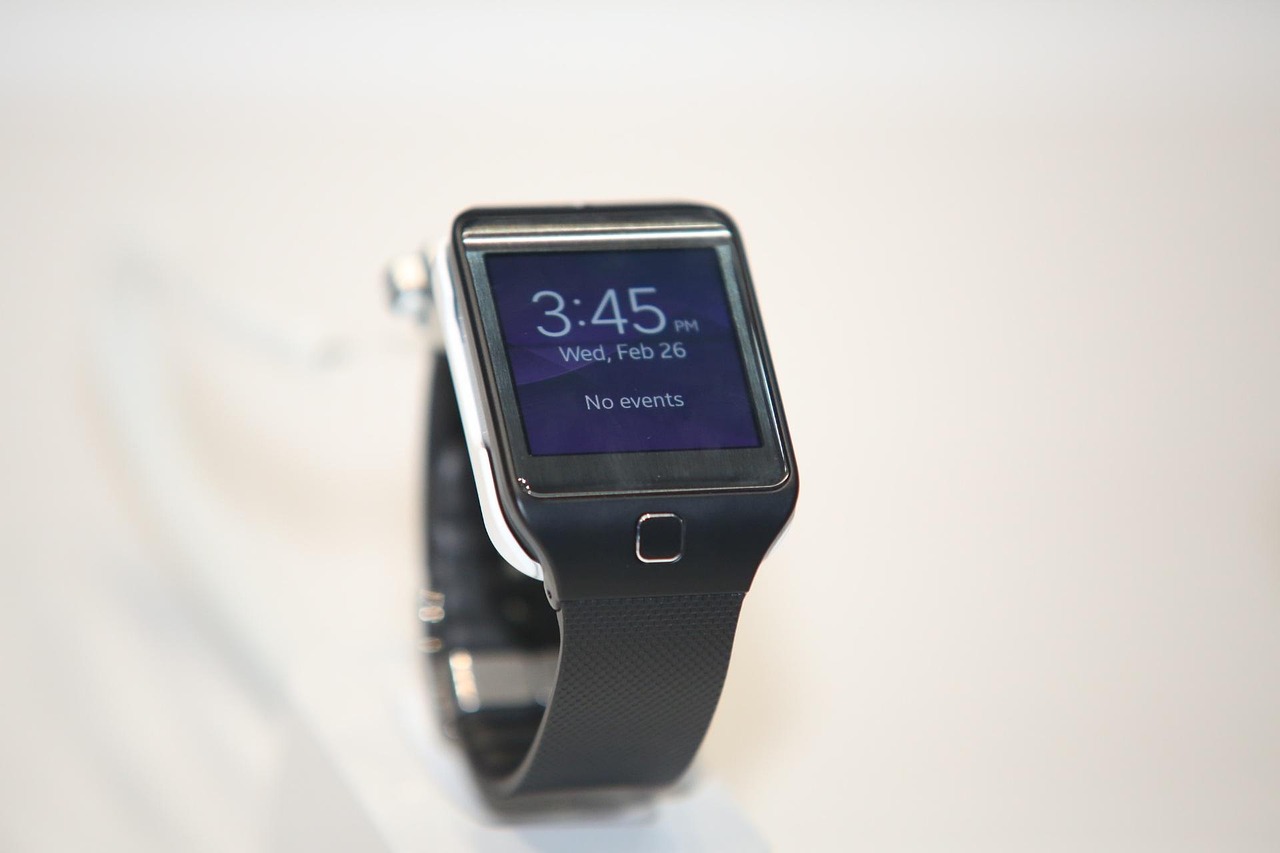

Wearable Recovery Devices with Mobile App Integration
Wearable recovery devices with mobile app integration have transformed the way athletes and fitness enthusiasts monitor their recovery times and processes. These devices are designed to track various physiological parameters, which help users optimize their training regimes effectively. By integrating with mobile applications, these devices allow real-time data analysis and personalized feedback. Users can access information on heart rate, muscle strain, and sleep patterns, which are critical in devising recovery strategies. Furthermore, mobile applications can leverage cloud technology to store historical data, enabling users to track their progress over time. This leads to informed decisions regarding rest days and training intensity based on accurate metrics. Another exciting aspect of these devices is their ability to integrate with other wearable tech, creating a comprehensive ecosystem. By consolidating data from different sources, users gain a holistic view of their recovery and overall fitness levels. Engaging with community features of these applications can also motivate and inspire users to stay committed to their recovery journey. Ultimately, wearable recovery devices improve not only physical recovery but also mental resilience during fitness endeavors.
One significant advantage of wearable recovery devices is the variety of features they offer to enhance user recovery knowledge. Many of these devices are equipped with sensors that monitor muscle recovery and other physiological indicators. For instance, users can track muscle soreness levels through sophisticated algorithms that analyze movement and strain. With integrated apps, users can receive alerts about their recovery status, reminding them of essential rest periods and optimized hydration levels. Techniques such as electrical muscle stimulation and heat therapy are becoming increasingly common in recovery devices. Users can monitor their physiological data in real time, enabling data-driven decision-making. An impressive aspect of these integrations allows for specific training advice based on individual recovery needs. Moreover, wearable recovery devices utilize user-friendly interfaces with engaging visuals and intelligible presentations of complex data. In addition, they also assist in goal setting, providing a clear roadmap toward better recovery outcomes. Wearable tech gathers data to offer custom recommendations tailored to various individual needs. This empowers athletes and fitness enthusiasts to make adjustments leading to long-term health improvements.
The Role of Data in Recovery
The role of data collected by wearable recovery devices cannot be overstated. Structured data facilitates users in understanding how their bodies respond to different levels of strain during workouts. By using dedicated mobile applications, users can interpret large swaths of data and identify trends over time. This understanding is crucial because it allows users to avoid overtraining, which can lead to injuries. Data visualizations in applications can illustrate improvements in recovery times clearly. Users can set personal records for recovery, adjusting their routines to reflect their analysis accordingly. Wearable devices often compile emotional metrics, such as stress levels, which contribute significantly to overall recovery strategies. Knowing how lifestyle factors like sleep quality impact recovery can lead to holistic health improvements. Apps typically provide motivational notifications based on data outcomes. They prompt users to execute gentle stretching or cooling down techniques. Integrating recovery feedback helps foster a more profound connection between users and their overall wellness objectives. With continuous data feedback, users stay on track and informed, leading to optimal recovery periods.
Another notable benefit of mobile app integration in wearable recovery devices is the potential for social interaction. Many apps facilitate user communities where progress and experiences can be shared. This enables athletes and fitness enthusiasts to connect, encouraging each other to maintain their recovery practices. Users often share tips and insights on best recovery techniques or adaptive routines based on feedback from their wearable devices. Challenges and group events can motivate members toward shared goals. These social features enhance accountability, as users feel supported by peers working toward similar fitness aspirations. Additionally, many applications allow users to follow prominent workout influencers who share their top recovery strategies. This can provide users with needed motivation, creating a vibrant community atmosphere. As a result, users can benefit from expert advice directly integrated into their recovery plan. Mobile apps often feature forums where users can pose questions that experienced members or professionals can answer. Building a support network through mobile applications can transform the recovery process, leading to positive long-term results in overall wellness.
Technological Advancements in Wearable Recovery
The tech behind wearable recovery devices is evolving rapidly, significantly expanding their capabilities. Modern devices now harness advanced technologies like machine learning and AI to predict individual recovery patterns. These sophisticated algorithms analyze real-time and historical data to provide tailored advice based on unique user profiles. Integrating features like Bluetooth connectivity allows effortless syncing with smartphones and other devices for seamless data transfer. Users benefit from advanced apps that continuously update their recovery needs, acting responsively to fluctuations in physical activity levels. Enhanced battery life and compact designs further improve usability, allowing users to wear recovery devices continuously without interruption. Noise cancellation technology for auditory features and the exchange of data with third-party health services elevate the user experience. These advancements enhance engagement and ensure users remain committed to their recovery routines. Users can also access virtual coaching provided through integrated apps, offering personalized feedback and encouragement. This empowers them during their fitness journeys, enhancing the effects of recovery technology. Each development serves to make recovery more targeted, effective, and enjoyable for all fitness levels.
Wearable recovery devices contribute significantly to performance improvement as well. Monitoring recovery metrics leads to informed adjustments in training regimens that boost performance. Athletes using these technologies frequently observe better results in their strength and endurance capabilities. This occurs because these devices provide scientifically-backed evidence that helps identify the optimal balance between training and recovery. Advanced notifications can guide users toward split training sessions, allowing them to maximize gains while mitigating the risks of burnout. Incorporating wearables into training programs helps trainers customize regimens based on measurable outcomes. Consequently, they can systematically tune intensity levels according to users’ capabilities. Send reminders regarding hydration and rest can prevent potential injuries from occurring, enhancing athletes’ longevity in their disciplines. Furthermore, integrating recovery techniques into athlete routines has shown considerable potential benefits in terms of overall well-being. In turn, this dedicated focus on recovery benefits emotional and mental health as well, ensuring fitness journeys remain enjoyable and rewarding. Continuous refinements in recovery practices align closely with improved performance metrics across numerous athletic disciplines.
The Future of Wearable Recovery Devices
In conclusion, the future of wearable recovery devices looks bright, especially concerning mobile app advancements. As technology progresses, we can anticipate more sophisticated integrations, allowing for seamless data-sharing between devices. Future wearables may incorporate advanced biometric sensors, making real-time analysis even more precise. Machine learning will continually adapt recommendations based on user behavior patterns, improving the relevance and value of data provided. Users may gain options for telehealth integration, enabling consultations with healthcare professionals directly through their apps. This opens exciting possibilities for expert supervision of recovery processes. Enhanced functionality will likely emerge, resulting in novel recovery techniques that combine traditional approaches with cutting-edge technology. With innovations like virtual augmented reality coaching, users may be guided in real-time to maximize each recovery session’s effectiveness. Moreover, sustainable materials and energy-efficient devices may dominate future developments in wearable technology. This will not only enhance performance but also allow users to connect deeply with sustainability efforts. As we embrace a future driven by technological advancements, wearable recovery devices will continue to empower athletes and casual fitness enthusiasts alike.
To summarize, wearable recovery devices with mobile app integration form an essential part of the fitness landscape today. Their ability to monitor recovery parameters, coupled with the insights offered through mobile applications, are game-changers in recovering efficiently. Offering community engagement, advanced technology, and user-centric features, they provide athletes and fitness enthusiasts with the tools necessary for improving overall health and well-being. Engaging with this technology can lead to lasting fitness transformations, enabling users to approach their physical journeys holistically. Each element plays a pivotal role in connecting individuals with their recovery journeys more profoundly. Therefore, investing in wearable recovery devices, augmented by mobile applications, signifies a step toward optimizing fitness practices for better outcomes. Innovation remains at the forefront of future developments in this area, led by both technological and user experience advancements. This evolution serves to enhance the impact of recovery processes per individual ability and need. By leveraging these groundbreaking devices, the fitness community can ensure they remain resilient and motivated throughout their training endeavors, ultimately enriching their overall wellness journey.