
Winter Sports Helmet Maintenance Tips
Maintaining your winter sports helmet is essential for ensuring both safety and optimal performance on the slopes. Start by regularly inspecting your helmet for signs of damage such as cracks or dents. These imperfections can compromise the structural integrity of the helmet, potentially putting you at risk during a fall. Always remember that if you’ve recently taken a heavy impact, it’s advisable to replace your helmet, regardless of how it looks. Keeping your helmet clean is also vital. Use warm soapy water and a soft cloth to wipe the exterior. Avoid harsh chemicals, as they may degrade the materials and protective coatings. The interior padding should be taken out and washed separately, if possible. This helps in eliminating odors and maintaining hygiene. Store your helmet in a cool, dry place when not in use, away from direct sunlight and extreme temperatures, which can damage it. Lastly, familiarize yourself with the manufacturer’s care instructions, as they may provide specific recommendations for maintaining the integrity and safety of your helmet, ensuring it lasts through many seasons of winter adventures.
Cleaning Your Helmet
Cleaning your helmet is crucial to prolong its lifespan while ensuring that it remains functional and safe. To effectively clean your helmet, begin with the outer shell, which can be polished using a damp cloth with mild detergent. Be sure to wipe off any dirt or snow residue from previous outings. It’s important not to immerse your helmet in water entirely, as this can negatively affect the inner workings. The chin strap should be regularly checked for fraying or wear and cleaned to eliminate bacteria buildup. For the interior padding, check if it is removable. Many helmets come with removable liners that can be hand-washed to maintain cleanliness. Rinse thoroughly and allow these components to air dry completely before reassembling. Also, ensure that the vents are clear of debris, as blocked vents can impede airflow and comfort. A clean helmet will not only look better but will also fit properly, helping to keep your head secure. For added longevity, consider using a helmet bag for storage when not in use.
Inspecting your helmet regularly is a critical part of helmet maintenance, ensuring you catch any issues before they worsen. After each use during a winter sports session, take a moment to inspect your helmet. Look for any noticeable wear and tear, focusing on areas like the strap, fastening mechanism, and the shell itself. Minor issues can often be fixed with simple adjustments or repairs, but serious damage is a reason to replace your helmet immediately. If your helmet has foam padding, check for cracks that may have developed over time, which could weaken protection. Additionally, paying attention to helmets that have been dropped can help maintain durability; even minor impacts can affect performance. Make it a habit to write down any concerns and resolve them before your next activity. Consult the user manual for specific recommendations concerning inspections. Keeping track of your helmet’s condition can also help you gauge when it may be time to invest in a new one, ensuring that you maintain the highest safety standards while participating in winter sports.
Storage Recommendations
Proper storage of your winter sports helmet is essential for maintaining its longevity and performance. After a day on the slopes, ensure that you clean and dry your helmet before putting it away. Store it in a cool, dry place away from direct sunlight, as prolonged exposure can warp the materials and weaken protective features. A helmet bag is a great investment for protecting against scratches and impacts during transport and storage. Avoid leaving your helmet in a hot car or any area with extreme temperatures, which can damage the foam lining and exterior. Also, refrain from stacking heavy items on top of your helmet, as this could cause deformation. Use a designated shelf or hook for hanging, ensuring that it’s visible and easy to access while keeping it out of reach of pets or children. Consider labeling the storage area if you have multiple helmets. Additionally, periodically check your stored helmet for any signs of deterioration. Regular maintenance during storage helps prolong the life of your helmet for countless skiing adventures.
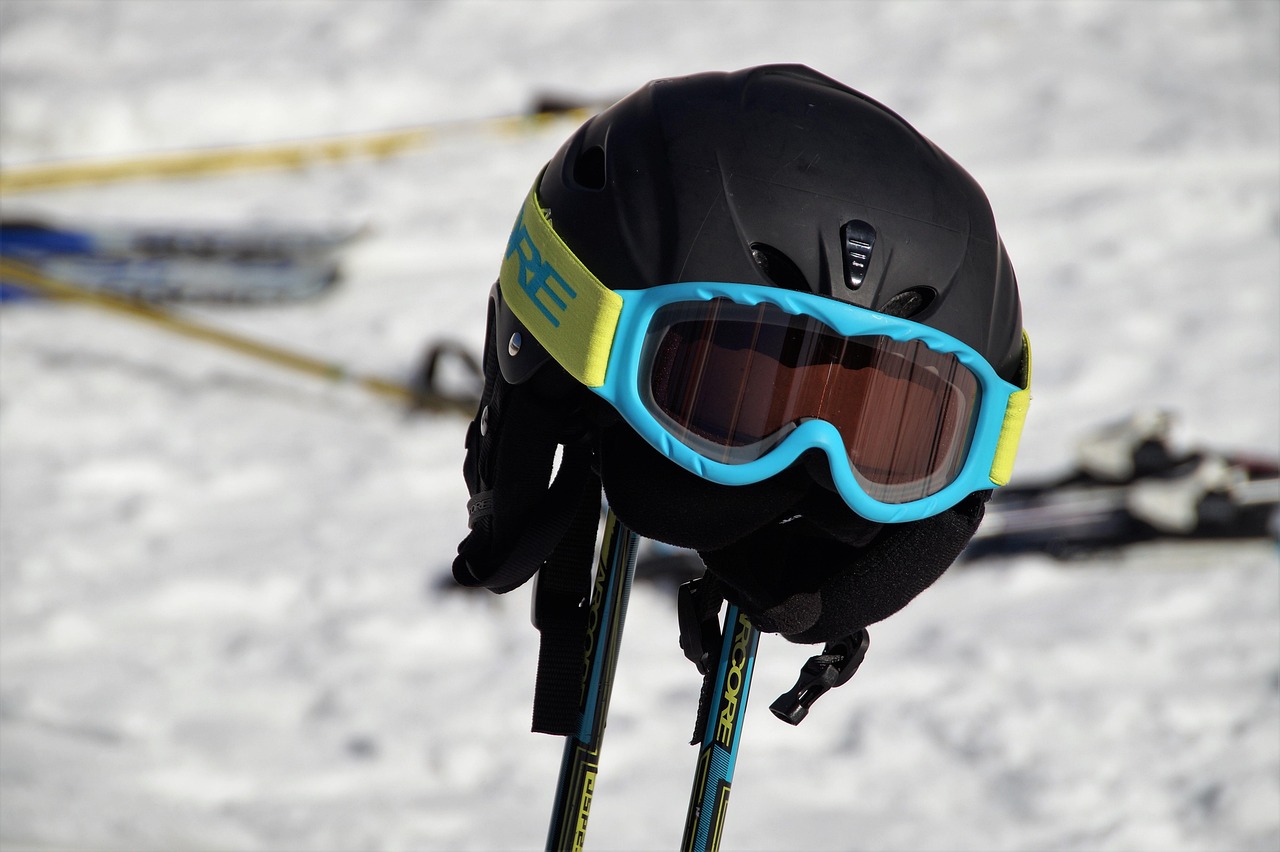
Paying attention to accessories associated with your helmet is essential for comprehensive maintenance. Protective gear like goggles should be cleaned regularly and stored properly to avoid scratches. Invest in a microfiber cleaning cloth to keep your visor and lenses clear for optimal vision. When attaching or detaching goggles, ensure you handle the helmet carefully to avoid damaging it. Similarly, ensure that any additional pads or removable components are washed as recommended by the manufacturer. Assess the comfort of your strap system too; adjusting it can help improve stability and keep the helmet securely in place during activities. If you find that modifications are necessary for fit and comfort, consult with a professional for modifications. Keeping a consistent checklist for all accessories will streamline their maintenance, ensuring nothing is neglected. Always prioritize using compatible parts for your helmet too, as mismatched accessories can compromise safety and comfort. In this way, maintaining your helmet along with its accessories leads to a more enjoyable and safer winter sports experience overall, boosting confidence on the slopes.
Replacement Considerations
Knowing when to replace your winter sports helmet is a key aspect of ensuring your safety on the slopes. Most manufacturers recommend replacing your helmet every three to five years, depending on usage and care. Even if your helmet appears intact, the materials can degrade over time from exposure to sunlight and temperature fluctuations. If an accident occurs, where your helmet sustains an impact, replacing it is strongly advisable, as its protective ability may be compromised. Questioning whether your helmet is still safe should always lead to a new purchase if you have doubts. Summarily, be aware of the expiration date or effective lifespan provided by the brand. Familiarizing yourself with annual helmet inspections and replacements is a great approach to maintaining safety equipment. Look for certifications such as ASTM or CPSC, as these indicate that your helmet meets the latest safety standards. With the variety of helmets available today, investing in an upgraded model that features new safety technology could enhance your experience while participating in winter sports.
In conclusion, helmet maintenance plays a vital role in winter sports safety and performance. Following essential maintenance tips helps to preserve the integrity and function of your protective gear, providing peace of mind on the slopes. Regularly inspecting for damage ensures readiness for unexpected situations, while proper cleaning and storage maximize longevity. Paying attention to the components and accessories associated with your helmet fosters a comprehensive approach to safety. Plus, staying informed about replacement considerations assists in making educated decisions regarding your equipment. Ultimately, a well-maintained helmet can make all the difference during winter sports activities. With strict adherence to maintenance guidelines and safety practices, you’ll enjoy your winter sports experiences while feeling confident in your gear. To enhance your performance, remember that safety should always come first. Prioritize your helmet care, and take the necessary steps to become an informed winter sports participant. After all, smart maintenance practices lead to enjoyable adventures on the slopes, giving you the freedom to enjoy winter sports worry-free.
Wrapping Up Helmet Care
Ultimately, continuous helmet care is integral to enjoying winter sports safely. Consistently reviewing maintenance procedures ensures the protective equipment remains functional and visually appealing. A proactive approach to caring for your helmet prepares it for any adventure, contributing to overall safety. By integrating these helmet maintenance tips into your winter sports routine, you set the framework for implementing best practices. Building habits around maintaining your equipment contributes to a culture of safety and responsibility on and off the slopes. As you prepare for another exhilarating season, ensure that helmet care becomes part of your overall routine. This commitment leads not only to safety on the mountain but also to a sense of confidence. You’ll feel assured knowing every detail of your helmet is attended to, which allows you to enjoy the thrill of winter sports to the fullest. Strive for optimal maintenance practices and empower yourself through knowledge. Each outing on the snow becomes a chance to put this knowledge into practice. Let your journey through winter sports be both challenging and safe by prioritizing helmet maintenance each step of the way.