
Adaptive Swimming as a Social and Recreational Activity
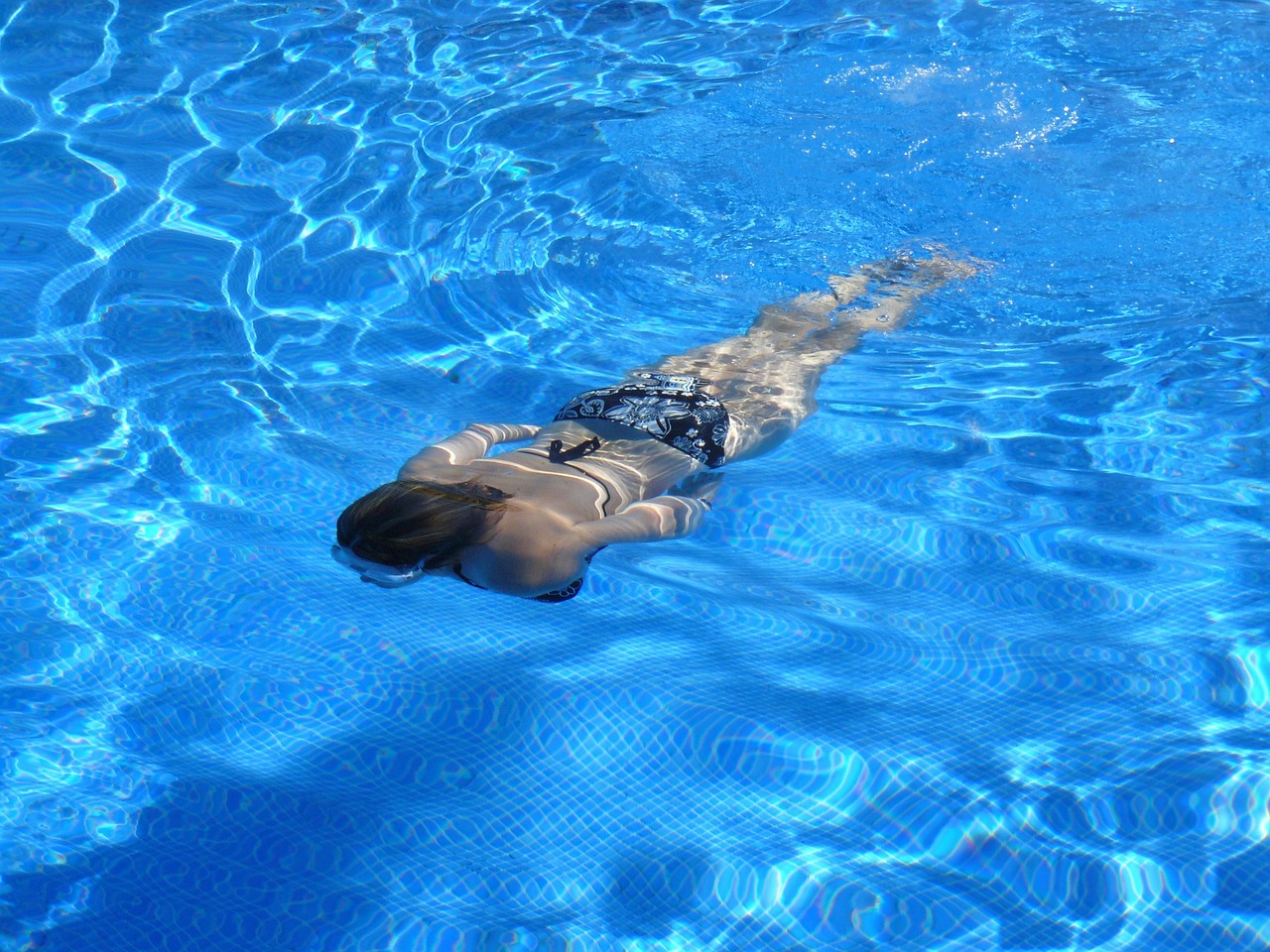
Adaptive swimming serves as an inclusive sport for individuals with disabilities, offering both social interaction and physical benefits. This activity promotes a sense of community, bridging gaps between participants of diverse backgrounds and abilities. As swimmers engage in lessons and practice sessions, they cultivate friendships, fostering a supportive environment. Local swimming centers are increasingly implementing adaptive programs that modify standard swimming techniques to accommodate various needs. This inclusivity encourages participation and allows swimmers to develop skills at their own pace. Additionally, adaptive swimming can significantly improve physical health by enhancing endurance, strength, and motor skills. Participants not only gain proficiency in swimming techniques but also experience increased self-confidence and independence through their progress. The social aspects of adaptive swimming also encourage teamwork and camaraderie among swimmers, breaking down barriers and stigmas. Many participants express a sense of pride and accomplishment in overcoming challenges faced in the water. As so many benefits arise from this activity, adaptive swimming is a valuable avenue for both recreational engagement and social participation.
Participation in adaptive swimming programs fosters a sense of belonging within the community. Many swimmers experience feelings of isolation or disconnect, especially when traditional sports seem inaccessible. Adaptive swimming offers a safe space where individuals can enjoy water activities alongside peers who share similar experiences. This supportive atmosphere can contribute to an improved mental outlook for participants. Social interaction during lessons can diminish feelings of loneliness and promote emotional well-being. In terms of family involvement, many adaptive swimming facilities organize events that encourage family members to participate alongside their loved ones. These gatherings provide opportunities for family bonding and can strengthen relationships. Volunteers and coaches commonly provide additional support, establishing mentorship relationships that enhance the overall experience. Involvement in group activities improves communication skills as individuals interact with peers and coaches alike. Additionally, adaptive swimming creates opportunities for personal growth, allowing participants to set and achieve goals. This goal-oriented approach fosters a greater sense of purpose among swimmers as they challenge themselves, further enhancing the positive impact of adaptive swimming on both social and recreational levels.
Health Benefits of Adaptive Swimming
Adaptive swimming offers a multitude of health benefits, making it an ideal activity for individuals with varying abilities. Engaging in regular swimming sessions can enhance overall physical well-being, as water provides natural resistance that boosts strength and flexibility. Individuals benefit from improved cardiovascular fitness, which contributes to enhanced stamina and endurance over time. Furthermore, adaptive swimming can assist in rehabilitation for those recovering from injuries. The buoyancy of water reduces stress on joints and muscles, allowing individuals to exercise without pain or discomfort. Consequently, adaptive swimming creates a safer environment for those with mobility challenges to improve their fitness levels. Mental health benefits are also significant, as swimming is known to reduce stress and anxiety while promoting relaxation. Swimmers often find comfort in the soothing nature of water, fostering a calming atmosphere during practices. Enhanced concentrations improve focus while engaging in swimming sessions. Therefore, adaptive swimming not only promotes physical fitness but also bolsters mental fortitude through consistent exposure to a stress-relieving environment, making it an important aspect of holistic wellness for individuals with disabilities.
Community events geared towards adaptive swimming can promote awareness and highlight the importance of inclusivity in recreational activities. These events may include swim meets, demonstrations, or showcases where individuals display their skills and achievements. Such gatherings often serve as an opportunity for raising funds and generating support for adaptive programs. Local businesses, organizations, and sponsors frequently contribute resources vital for maintaining swimming facilities and providing adaptive equipment. Consequently, participation in these communal events helps to ensure that adaptive swimming programs continue to thrive. Increased visibility of adaptive swimming can encourage more facilities to implement inclusive practices, thus expanding opportunities for individuals with disabilities. Engaging families and friends in these events fosters a greater understanding of the experiences faced by adaptive swimmers. They often witness firsthand the challenges and triumphs of participants, leading to stronger community support. Moreover, partnerships between swimming organizations and advocacy groups can help spread awareness about the benefits of adaptive swimming. By highlighting diversity in sports, these partnerships contribute to eliminating stereotypes and promoting inclusivity for everyone in the swimming community. This united effort leads to a brighter future for adaptive swimming and its participants.
Tips for Getting Started with Adaptive Swimming
For those interested in introducing adaptive swimming to someone with disabilities, there are several key steps to ensure a successful experience. First, researching local swimming facilities that offer adaptive programs and certified instructors is crucial. Many community pools are becoming equipped with necessary adaptations, allowing for safe and comfortable swimming experiences. Observation of a class can also help individuals determine if a specific program aligns with their needs. Additionally, discussing personal goals and preferences with instructors can foster a successful relationship. Open communication enables instructors to tailor sessions accordingly, optimizing individual progress. Second, consider enrolling in introductory lessons designed specifically for adaptive swimming. These classes provide a foundation in basic techniques while focusing on adapting skills to each participant’s capabilities. Lastly, patience and encouragement from family and friends will play a significant role in motivating individuals. Building confidence takes time, and positive reinforcement can help swimmers become more comfortable in the water. By following these steps, both new swimmers and their support networks can create a positive adaptive swimming experience that leads to long-lasting benefits and achievements.
Beyond physical and social benefits, adaptive swimming promotes life skills essential for personal development and well-being. As individuals navigate through various challenges faced in the water, they learn problem-solving skills crucial for overcoming obstacles. Swimming also introduces participants to lessons in discipline and persistence, cultivating a strong mindset essential for success. Instruction may include setting tangible, achievable goals while celebrating milestones to reinforce motivation that inspires growth. In addition, swimmers often reflect on their experiences as they progress, further enhancing self-awareness and resilience. These attributes extend beyond the pool, positively affecting participants’ daily lives. As a result, adaptive swimming becomes a gateway for shaping character and personal development, fortifying swimmers in their journeys. Participation encourages teamwork, cooperation, and communication, as many programs involve group activities and training sessions. Swimmers consistently learn the importance of supporting each other, which can translate into social settings outside of the pool. By embracing these life skills and values through adaptive swimming, individuals cultivate the foundation needed to navigate life’s difficulties with newfound confidence and support.
The Future of Adaptive Swimming
The future of adaptive swimming looks promising, with growing awareness and support for individuals with disabilities. As more organizations strive to expand inclusive initiatives, opportunities for those interested in adaptive swimming will continue to flourish. Not only will program offerings increase, but improvements in equipment, technology, and resources designed specifically for adaptive swimmers will also enhance experiences. Continued training for swimming instructors will ensure that professionals are well-equipped to teach and support diverse participants. Additionally, advancements in communication technologies can facilitate better connections between swimmers and instructors. Inclusive swimming programs may see greater visibility through social media and digital platforms, raising awareness about the benefits of adaptive swimming. Furthermore, collaborations between organizations and advocacy groups can drive change in legislation, ensuring adaptive swimming is recognized as an essential recreational activity. As adaptive swimming reaches more individuals, the key focus will remain on celebrating diversity and inclusion within aquatic sports. By fostering understanding and empathy within society, adaptive swimming’s future remains bright, empowering individuals with disabilities to embrace their abilities and participate in activities that promote health, social interaction, and personal growth.
In conclusion, adaptive swimming represents an essential avenue for fostering social connections and promoting physical well-being for individuals with disabilities. Through engaging in adaptive swimming, participants achieve not only improved health outcomes but also personal and social growth. As adaptive swimming programs continue to expand, the need for inclusivity in recreational activities becomes increasingly relevant. The collaborative efforts of various stakeholders will ensure that more individuals can access opportunities in adaptive swimming, allowing them to challenge themselves and thrive. Positive relationships formed in this environment encourage self-confidence and a sense of belonging, making adaptive swimming a valuable pursuit. Goals set during swim sessions create a framework for achievement, which translates into benefits applicable in many areas of life. With the potential to shape character and unlock personal development, adaptive swimming holds long-lasting importance for participants’ overall well-being. By investing in adaptive swimming, communities can foster a spirit of inclusivity and support for everyone. Ultimately, individuals with disabilities, their families, and communities can work together to enhance the impact of adaptive swimming. Taking the plunge into adaptive swimming can lead to profound changes in lives, creating a more inclusive and vibrant community.