
Correct Sitting Posture Through Targeted Home Exercises
Maintaining correct sitting posture is crucial for overall health. Poor posture while sitting can lead to numerous health problems, including chronic back pain and spinal issues. To combat these effects, targeted home exercises can provide significant benefits. Incorporating simple movements into your daily routine can strengthen the muscles that support the spine and pelvis. Additionally, these exercises can help improve flexibility and strength, which are vital for maintaining correct posture over time. Focus on your upper body alignment, ensuring your shoulders are relaxed and back. Here’s a few effective exercises you can do at home:
- Seated Row: using resistance bands improves upper back strength.
- Chest Opener Stretch: enhances flexibility in the chest and shoulders.
- Wall Angels: promotes shoulder mobility and stability.
- Hip Flexor Stretch: counters prolonged sitting by stretching the hip area.
In addition to these exercises, practice mindfulness of your sitting position. Remember to take regular breaks and adjust your workstation height to suit your needs, promoting ergonomic alignment. Consistency is key to achieving lasting results.
The importance of ergonomics cannot be overstated when discussing home workouts for posture improvement. Ergonomics refers to designing a workspace that optimally fits the user, thus minimizing strain on the body. This practice not only enhances productivity but also plays a vital role in reducing injury risks. An ergonomic chair should support your back, allowing you to sit upright comfortably. Your computer monitor should be at eye level, reducing neck strain. Incorporate exercises like the Cat-Cow Stretch or the Child’s Pose, which can be done even while taking a break from work. These stretches can alleviate tension built up during prolonged sitting, promoting flexibility and comfort. Also, attempt to sit less and move more throughout the day. Consider setting a timer to remind you to adjust your position or stand up periodically. Adopting these ergonomic practices in conjunction with targeted exercises empowers you to make significant improvements in your posture at home. Ultimately, you’ll notice enhanced comfort, increased productivity, and a reduction in discomfort. Mastering this balance of ergonomics and exercise is the key to sustaining a healthy and productive routine.
Exercises for Strengthening Posture
Strengthening your core muscles is essential for improving posture. A strong core provides support for the spine, allowing for proper alignment even during prolonged periods of sitting. Planks are an excellent exercise for this purpose, engaging multiple muscles while promoting stability. Another effective exercise is the Bird-Dog; it promotes balance as well as core strength. Additionally, incorporating glute bridges can help strengthen the lower back and pelvic region. Start each exercise with proper form to maximize effectiveness and minimize the risk of injury. Also, consider adding strength training exercises that incorporate weights, such as dumbbell rows or shoulder presses, which enhance upper body strength. These exercises can balance muscle development, which is crucial for maintaining proper posture. If you’re unfamiliar with how to perform these exercises, many online resources and videos can guide you through the process. Start slowly, ensuring proper technique, and gradually increase intensity as your strength improves. Remember, consistency and regular practice will yield the best results. Within weeks, you should notice better posture and less discomfort from time spent in front of screens.
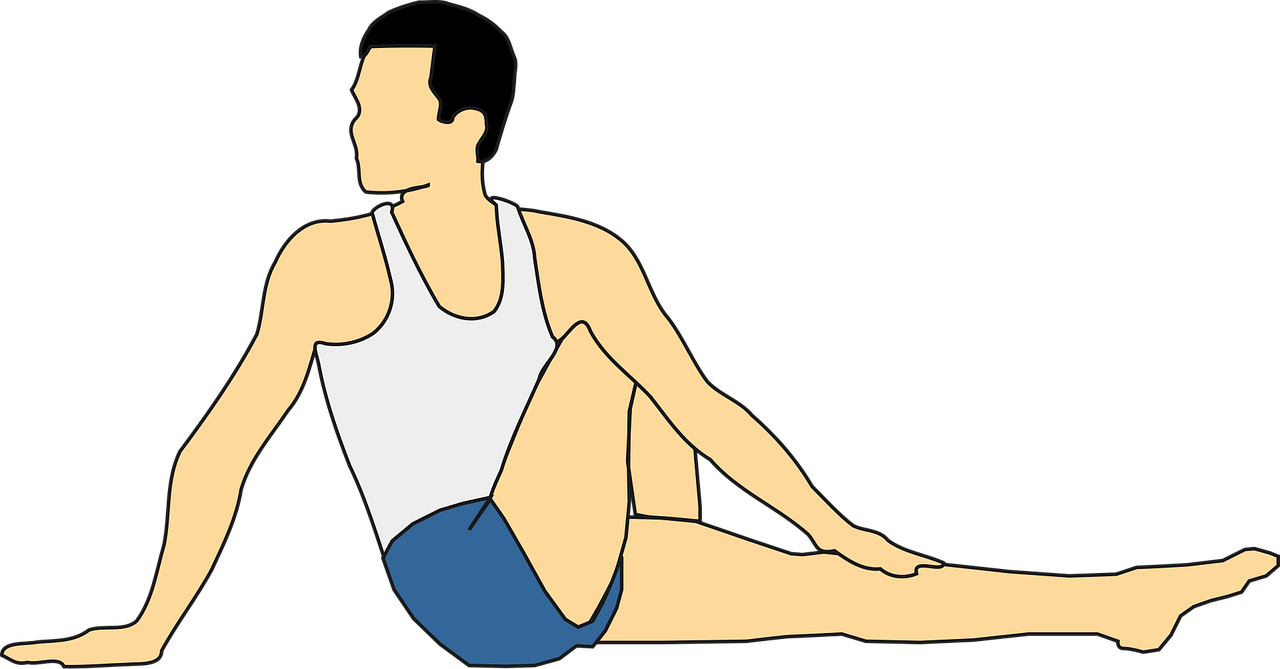
In addition to strength training, it is essential to incorporate stretching into your routine to maintain flexibility and mobility. Stretching helps alleviate muscle tension and tightness, especially when sitting for extended periods. For example, incorporating stretches such as the Seated Forward Bend or the Spinal Twist can effectively release tension in the back muscles. Allocate time before and after your exercise routine for these stretches. You can also sit cross-legged on the floor and gently lean forward to target the hip and lower back area. Consider scheduling short stretching breaks throughout your day. Simply standing up and reaching toward the ceiling while gently leaning to each side can provide immediate relief. These movements can help counteract the stiffness developed from prolonged sitting. It’s a good idea to keep a stretching routine light and enjoyable so that it becomes a natural part of your day. Explore different stretches that feel good to you and consider creating a sequence that you can follow daily. Ultimately, combining stretching with strengthening exercises will produce the best outcomes for maintaining proper posture.
Mindfulness and Posture Alignment
Being mindful of your posture is crucial in correcting and maintaining proper alignment while sitting. As you integrate exercises into your routine, developing an awareness of your body’s position can significantly impact results. Throughout your day, take moments to check in with your posture. Is your back straight? Are your shoulders relaxed? Try to make it a habit to adjust your sitting posture regularly. You might even consider using reminders on your phone to prompt posture checks. Additionally, using tools such as ergonomic chairs or lumbar support cushions can enhance your awareness by providing physical feedback. If you find yourself slumping or hunching over, take a break to reset your posture with some quick stretches. Daily practice will help create muscle memory and reinforce the correct posture, making it easier to maintain over time. Keep in mind that improvement is a gradual journey—changes might not happen overnight. Be patient and consistent with both exercises and mindfulness practices. Over weeks and months, you will likely notice increased comfort and less strain during your daily activities.
Moreover, integrating deep breathing exercises into your routine can enhance both mindfulness and posture awareness. Breathing deeply helps to calm the mind and reduces stress, factors that can contribute to poor posture habits. Try practicing abdominal breathing while sitting. Allow your diaphragm to expand fully, which helps improve alignment in the spine and promotes relaxation. Engaging in mindful breathing can reduce overall muscle tension and enhance focus. You can combine this with your stretching routine, encouraging a holistic approach to posture improvement. Additionally, exploring activities like yoga or Pilates can further boost your mindfulness practice. These forms of exercise emphasize core strength, flexibility, and balanced posture. Furthermore, classes or online videos can guide you through routines designed to improve posture while increasing awareness. Consider setting aside time each week for these practices, allowing yourself to enjoy the physical and mental benefits. With time, these habits will become an integral part of your daily routine, leading to significant improvements in both posture and overall well-being. Remember that the journey to better posture is a continuous one.
Conclusion and Future Steps
In conclusion, maintaining and improving your sitting posture through targeted home exercises is not only achievable but also beneficial for overall health. Regularly engaging in strength training and stretching exercises can significantly alleviate discomfort associated with poor posture. Additionally, applying ergonomic principles in your workspace can enhance your efforts. As you develop mindfulness about your posture, integrating deep breathing and relaxation techniques will round out your approach. It’s essential to remain patient; significant changes often take time and consistency. Consider creating a personalized routine that incorporates these exercises and mindfulness practices into your daily schedule. Furthermore, it may be beneficial to keep a journal documenting your progress. This will not only celebrate your achievements but also highlight areas where you can improve. Set specific goals for your posture improvement journey. These could range from reducing discomfort while sitting to remembering to adjust your position throughout the day. Lastly, don’t hesitate to seek guidance from professionals if you encounter persistent issues or if you require advanced techniques. Ultimately, the journey toward better posture leads to enhanced comfort, productivity, and health.
In summary, the blend of exercise, mindfulness, and ergonomic support will help you achieve the correct sitting posture that is essential for maintaining health. Focus on being consistent with your exercises and take breaks from long periods of sitting. Utilizing stretching in conjunction with strengthening exercises will yield the best results over time. Consider seeking out classes or online resources if you feel uncertain about your exercise techniques or how to align your body properly during workouts. By creating a balanced home workout routine, you will be able to conquer poor habits that might lead to discomfort. Gradually, these adjustments will become part of your daily life, significantly improving your posture. The most critical aspect of your journey is to remain committed and continuously assess your progress. Celebrate small victories, as each contributes to your overall well-being and health. With unwavering dedication, you will likely notice remarkable benefits, such as less back pain, improved focus, and greater overall comfort in your daily tasks. Ultimately, this commitment to maintaining proper posture through targeted exercises will enhance not only your physical health but also your quality of life.