
Improving Balance by Enhancing Visual and Vestibular Inputs
Balance and coordination are essential functions that allow individuals to perform daily activities efficiently. Our ability to maintain balance relies heavily on inputs from both visual and vestibular systems. The visual system provides essential cues regarding our surroundings, such as identifying obstacles and understanding distances. In contrast, the vestibular system works to detect changes in head position and movement. Together, these systems help maintain postural stability and prevent falls, which is particularly crucial for older adults or individuals with balance issues. The integration of visual and vestibular information enhances our overall stability. Improving this integration can lead to significantly better balance outcomes. Engaging in exercises that stimulate both systems can promote adaptive changes in the body, ultimately leading to improved balance. This can include activities that require head movements, visual tracking, or focusing on a target while changing positions. Various training methods, such as balance boards and coordination drills, can help improve these skills. Understanding the distinct roles of the visual and vestibular systems will enable us to design effective interventions aimed at enhancing balance capabilities in diverse populations.
One way to enhance visual input for better balance is through visual exercises aimed at improving peripheral awareness and fixation ability. Such exercises enhance the brain’s ability to process and interpret visual information. For instance, practicing tasks that require focusing on specific points while shifting body positions can optimize visual acuity and perception. Moreover, engaging in activities that involve tracking moving objects plays a crucial role. These types of exercises ensure that the visual system remains sharp, which significantly contributes to overall balance. Incorporating dynamic movements while engaging with visual cues can also enhance coordination. For example, sports or activities that require dodging or following a moving ball can provide beneficial challenges. Additionally, training needs to consider different lighting environments, as visual perception heavily relies on adequate lighting conditions. Ensuring participants can adapt to both bright and dim lit surroundings will aid in developing more robust balance identities. Therefore, including varied visual stimuli during practice can foster a better understanding of surroundings, directly impacting performance in balance-related tasks.
Vestibular System and Balance
The vestibular system is crucial for providing sensory information about motion, equilibrium, and spatial orientation. It comprises structures located in the inner ear, which play key roles in detecting head movements and maintaining balance. One specific function of the vestibular system is to detect changes in velocity when the body is in motion. This detection allows for the appropriate adjustment of posture, counteracting movements that lead to instability. Vestibular exercises can help train this system to react more efficiently. Movements such as head turns, tilts, and rotations are effective in enhancing vestibular responses. Furthermore, incorporating activities that challenge the vestibular system, such as balance exercises on unstable surfaces, can improve the adaptation process. These exercises stimulate the vestibular system, enhancing its capacity to integrate information from other sensory systems. Awareness of spatial orientation is essential for stability and balance. By performing exercises that engage the vestibular system actively, individuals can improve their reflexes, thus reducing the risk of falls and increasing overall stability in daily activities.
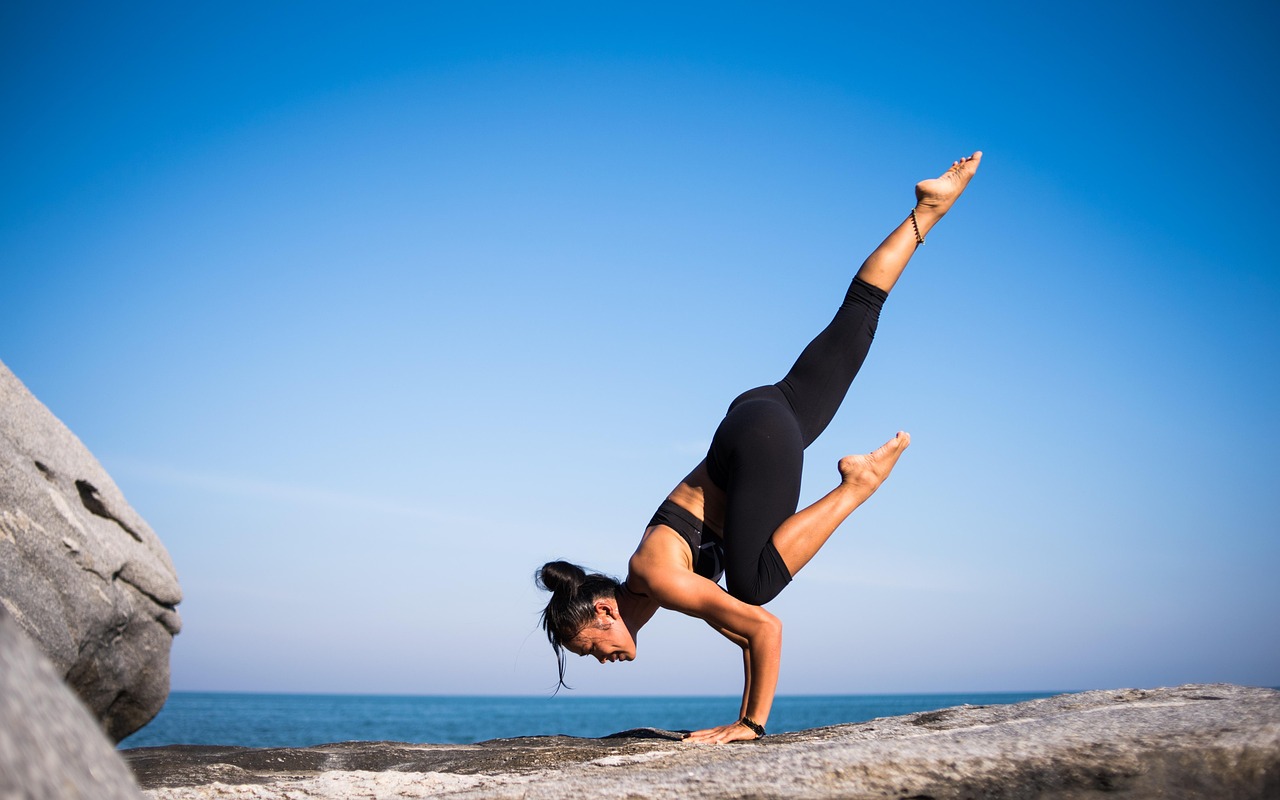
Incorporating balance training programs that target both visual and vestibular systems offers numerous benefits. A well-rounded program should consider the unique contributions each system provides for maintaining stability. Focused exercises are effective in fostering improved proprioception, which is our sense of body positioning and motion. Engaging in coordinated movements that require shifting one’s focus or adjusting to visual distractions can greatly enhance balance. Activities like tai chi or yoga are examples that integrate these systems profoundly. These systems do not function independently; rather, they work together to help maintain postural control. Goal-oriented exercises can build confidence and proficiency in individuals with balance issues. Furthermore, providing a safe environment that encourages risk-taking or experimentation is essential for learning. Gradually increasing challenges will allow individuals to apply newly developed skills in real-life situations. Therefore, trainers and therapists must include progressive difficulty levels in training, negotiating both visual focuses and vestibular challenges. The synergy between the visual and vestibular systems ultimately nurtures a comprehensive balance training experience, preparing individuals for a variety of activities.
Real-Life Applications of Balance Exercises
Practicing balance exercises has significant real-life applications that enhance mobility and independence. For older adults, improving balance can lead to a reduced risk of falls, which is a serious concern in this demographic. Implementing regular training can result in heightened awareness of surroundings and improved postural control. Furthermore, activities designed to enhance balance awareness should also consider an individual’s goals and daily routines. By tailoring programs to meet personal aspirations, such as climbing stairs or participating in social activities, clients can experience vital improvements in daily life. In addition, athletes and performers can benefit immensely from enhanced balance and coordination. As sports demand quick reflexes and spatial awareness, incorporating visual and vestibular exercises into training regimens can lead to optimized performance. Transitioning these skills into competitive environments equips individuals to respond quickly and effectively under pressure. Hence, establishing a routine that incorporates both visual and vestibular training can significantly elevate one’s functional capabilities, impacting quality of life, safety, and overall health greatly.
An important aspect of improving balance involves understanding the individual differences among participants. Factors such as age, physical condition, and prior experiences can greatly influence the choice of exercises. For instance, older adults may require gentler approaches compared to younger, more agile individuals. Consequently, assessing each person’s baseline balance and coordination abilities is paramount in designing effective interventions. Moreover, engaging in one-on-one training sessions is beneficial for personalizing the balance experience. This individualized approach allows trainers to monitor progress closely and adjust exercises as needed. Listening to feedback from participants helps identify barriers encountered during training. Adjustment of exercise protocols based on individual responses maximizes effectiveness. In addition, psychological aspects can hinder one’s success in balance training. Confidence plays a crucial role in performance; therefore, fostering a trusting and supportive environment is vital. Celebrating small victories and encouraging resilience can empower participants, enhancing motivation to continue engaging with balance-enhancement programs. Overall, recognizing individual differences and building personalized approaches will create a more effective and enjoyable journey towards improved balance.
Conclusion and Encouragement
Improving balance by enhancing visual and vestibular inputs is essential for both daily living and athletic performance. Understanding the connections between these systems allows for the creation of more effective training programs. By taking a comprehensive approach that includes tailored exercises targeting both visual and vestibular components, individuals will often experience improved stability and confidence in their movements. It is important to highlight that balance training is not limited to a specific age group or fitness level; everyone can benefit from it. Whether one is a senior concerned about mobility or an athlete seeking to enhance performance, embracing balance training can yield rewarding results. Commitment to a consistent practice will lead to gradual improvements. Maintaining balance requires ongoing effort, encouragement, and adaptability. Ultimately, individuals should feel empowered to take charge of their balance, enabling them to participate fully in different aspects of life. Seeking guidance from professionals in developing personalized training plans can further enhance these outcomes, ensuring safety and effectiveness. Allowing for exploration and variety within practice can yield holistic improvements, laying a solid foundation for a stable and active lifestyle moving forward.
By understanding and incorporating visual and vestibular contributions to balance, individuals can unlock the potential of enhanced coordination and stability. Exploring the intricacies of these systems offers valuable insights and strategies to foster better movement capabilities. Every effort dedicated to improving balance through these systems paves the way for successful participation in everyday life, granting individuals the confidence to navigate their environments freely. Remember to assess your unique needs, tailor your training, and embrace the journey toward mastering balance collectively. The goal is to achieve harmony between these sensory inputs effectively.