
Incorporating Mindfulness Into Senior Cool-Down Sessions
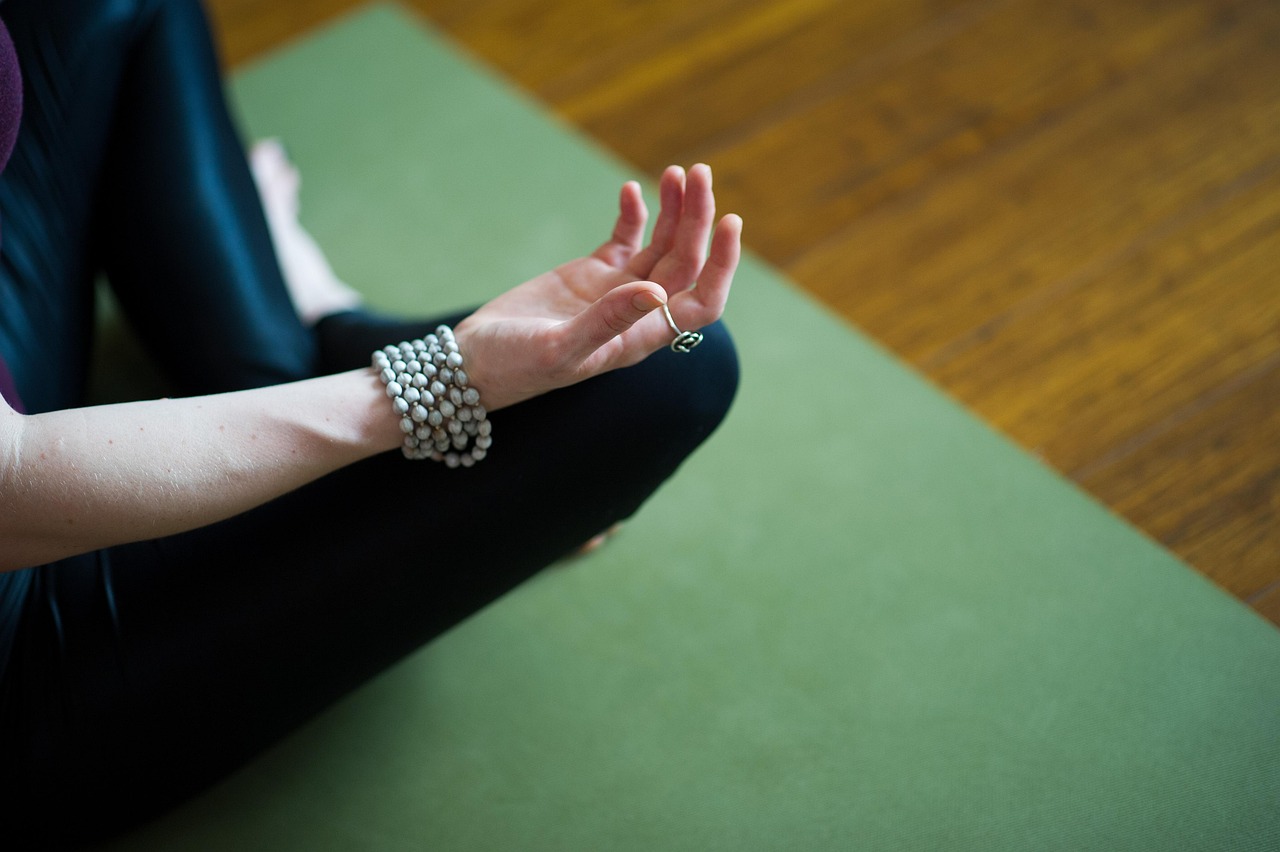
Incorporating mindfulness into senior fitness routines significantly enhances the benefits of cool-down sessions. Cool-down exercises help the body transition from activity to rest, effectively reducing post-exercise soreness and enhancing overall flexibility. Mindfulness encourages seniors to focus on each movement, thereby deepening their physical awareness and connection to their bodies. As such, every cool-down should allow time for reflective thought, letting seniors appreciate their efforts during exercise. A well-structured cool-down should include gentle stretching and controlled breathing exercises, promoting relaxation. Integrating mindfulness can also reduce anxiety and boost mood, making the cool-down rewarding. Encouraging seniors to visualize the muscles they are relaxing during stretches is beneficial. Additionally, using terms like “inhale” and “exhale” while they perform breathing exercises provides structure. This process gradually lowers the heart rate while enhancing flexibility and balance. Overall, the mindfulness practice during cool-downs cultivates a holistic fitness experience for seniors, which is key to sustaining their commitment to exercise routines. Therefore, fitness instructors should emphasize the importance of these techniques, ensuring even subtle mindfulness practices are included in every session.
The importance of gentleness in cool-down routines cannot be overstated. Focus on activities that are both calming and restorative to maintain seniors’ engagement during fitness sessions. Incorporate stretches, such as neck rolls, wrist stretches, and seated toe touches. Each of these helps soothe tight muscles while promoting balance and stability. It is crucial that seniors approach their cool-down work with an element of grace, as harsh movements can lead to injuries. Slower transitions between stretches create a sense of relaxation while encouraging deeper breathing. Furthermore, gentle music can enhance this experience, allowing participants to create a peaceful environment conducive to mindfulness. Such settings invite seniors to engage fully with their body’s sensations, enabling increased awareness of their physical state. Pairing stretches with visualization can also help solidify mindfulness practices, allowing seniors to picture tension leaving their bodies. Encouraging open discussion about feelings during this time can foster camaraderie among seniors, amplifying the experience’s effectiveness. Ultimately, a thoughtful approach to cooling down prepares seniors for future activity, keeping both their bodies and minds aligned, creating a lasting impact on their overall health.
It’s equally important to utilize the right techniques during cool-down sessions for seniors. Duration and intensity should be adjusted to suit individual needs effectively. Focus on stretches for all major muscle groups, ensuring both mobility and flexibility are objectives. Consider recommending dynamic stretches followed by static ones; however, be sure that they are performed gently. Stretching the major muscle groups, such as hamstrings, quadriceps, and back, can prevent post-exercise stiffness. Encourage seniors to breathe into each stretch, enhancing both efficacy and mindfulness. Sensations like “stretch” or “tension” should be encouraged, allowing them to explore their limits gently. Incorporate balance challenges, like standing on one leg while stretching to enhance proprioception and coordination. Regularly offering reminders to appreciate their achievements during fitness routines reinforces a positive mindset. Encouraging self-reflection through guided prompts will help seniors connect their physical efforts to their emotional well-being. As they practice mindfulness within cool-downs, awareness of their body often leads to better health outcomes. This approach is beneficial not only for physical rehabilitation but enhances their overall quality of life significantly.
Creating a Safe Environment
Creating a safe environment for cool-down sessions is essential, ensuring seniors feel comfortable and secure. This involves both the physical setting and the emotional space fostered during these workouts. Ensure that equipment is up-to-date, well-organized, and free from hazards to reduce injury risk. The area should be well-lit with enough room to perform movements without obstruction. Additionally, ensure that the environment is quiet and calm, allowing individuals to focus inward. Support and encouragement from trainers can also create a sense of security and trust, which allows seniors to feel more at ease during mindfulness practices. Instructors should also prioritize understanding individual limitations and health status before designing cool-down activities. By adapting exercises to meet each senior’s abilities, the experience becomes tailored and fulfilling. Remind participants to listen to their bodies, providing modifications when necessary. A safe environment enhances overall effectiveness, enabling seniors to benefit fully from their cool-down sessions. Ultimately, this ensures physical and emotional wellness, providing a space where seniors can thrive both mentally and physically as they enjoy their journey.
Mindfulness practices, such as guided breathing and visualization, should be integrated into cool-down sessions regularly. Using techniques such as these fosters deeper relaxation and promotes mental clarity, crucial for seniors. Through visualization, participants might imagine their favorite peaceful scenery during stretches. Instruct them to focus on sensory details—colors, textures, and sounds. This promotes an immersive experience that helps distract from discomfort, facilitating a much easier transition into rest. Guided breathing techniques, such as the 4-7-8 method, can help reduce tension by allowing seniors to control their heart rate and breathing patterns. During these exercises, instructors can gently remind seniors to focus on their breath and the rhythm of their movements. This heightens body awareness while reinforcing the value of calmness as related to their overall fitness journey. These techniques provide additional tools for mental health management and resilience building in seniors. Remember, the integration of mindfulness during cool-down routines isn’t merely supplemental. It is an essential element that enhances both physical and mental well-being significantly, helping to create a holistic approach to senior fitness.
Role of Community in Mindfulness Practices
Community plays an instrumental role in fostering mindfulness practices among seniors during cool-down sessions. Social connections lead to increased motivation and accountability, enhancing regular participation in fitness routines. Engaging with others offers emotional support, and sharing experiences can enhance mindfulness practices. Incorporating group discussions after cool-down routines can further facilitate this shared sense of journey, encouraging seniors to express their feelings about both their achievements and challenges. Providing opportunities for social interaction, such as group stretches or partner exercises during cool-downs, reinforces bonds between participants. This community engagement cultivates a safe space where seniors may feel encouraged to express themselves freely, allowing for explorative conversations surrounding their health and fitness. Moreover, enjoying shared mindfulness practices enhances overall joy, encouraging participation and commitment. The shared experiences can transform individual journeys into collective growth, enabling seniors to feel empowered. Thus, building a strong community within cool-down sessions assists not only in mindfulness practices but also in creating a network of support essential for seniors to flourish in their fitness endeavors.
Lastly, instructors must frequently evaluate and adapt their mindfulness strategies during cool-down sessions. As individuals progress, their needs may evolve, requiring attentiveness by the instructor. Continuous feedback should be welcomed to fine-tune approaches that work best for participants. A personalized touch in applications of mindfulness can significantly enhance effectiveness as individual preferences are incorporated. Monitor how seniors react to different mindfulness techniques, adjusting activities to retain engagement. Introduce new stretching methods or mindfulness techniques to keep things fresh and appealing, thus preventing stagnation. Also, periodic assessments of emotional health can further reinforce instructor adaptations, ensuring all practices are beneficial. The ultimate goal remains to promote ongoing personal growth through fitness routines. Encourage seniors to communicate openly about what resonates with them, ensuring the community grows stronger in its approach. Flexibility in teaching styles and methods can create a more inclusive atmosphere, enriching the overall experience and promoting a deeper connection between mind and body. By nurturing this growth mindset, fitness instructors can help seniors maintain their commitment to health and well-being.
Adopting an overall holistic approach can significantly change how seniors engage with cool-down sessions. Incorporating mindfulness into these routines ultimately encourages deeper awareness, emotional stability, and improved physical condition. Holistic fitness practices address both the body and the mind, promoting a well-rounded experience. Seniors engaging with their bodies in this supportive manner set the stage for lifelong fitness habits. Encouraging participants to focus on recovery leads to better performances in future sessions and a reduced risk of injuries. The role of emotion during exercise is often overlooked, but integrating mindfulness can help seniors forge better connections with their feelings. Each mindful cool-down session can evoke feelings of accomplishment and relaxation. Over time, this reinforces a powerful link between regular exercise and emotional well-being. Ultimately, a culture of mindfulness fosters supportive relationships through shared experiences during cool-down sessions. Encouraging discussions around feelings and experiences encourages self-awareness. Therefore, seniors can understand how their mental state affects their physical abilities. As this integral connection strengthens, overall health improves, promoting a brighter outlook on life and the future of fitness.