
Integrating Tai Chi into Your Senior Exercise Regimen
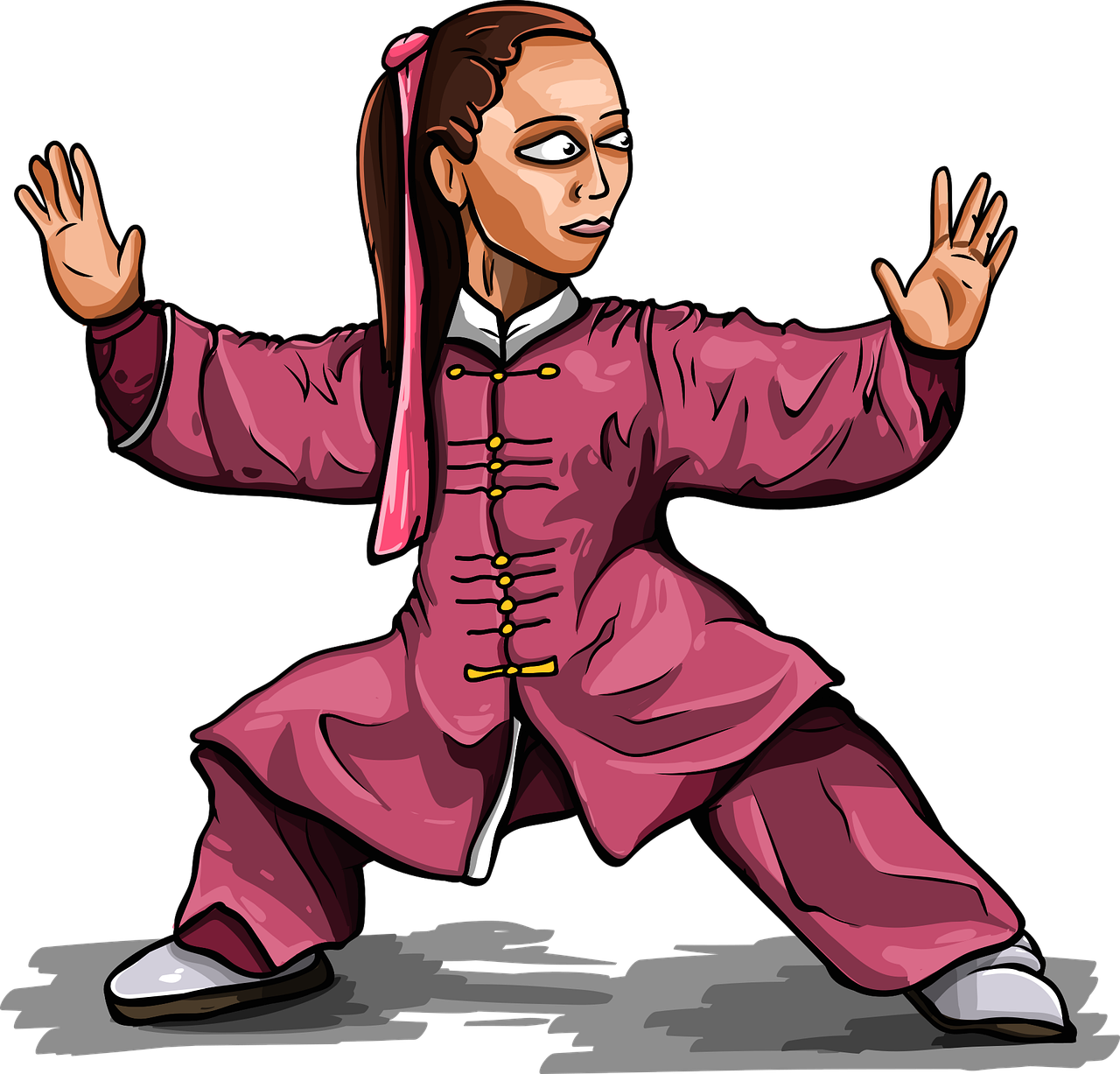
Tai Chi, a gentle form of martial arts, has roots in ancient Chinese culture and is increasingly being embraced for its health benefits, especially among seniors. By integrating Tai Chi into a senior exercise regimen, individuals stand to gain improved balance, flexibility, and overall mental well-being. The slow, deliberate movements promote relaxation and focus, which is beneficial for both body and mind. Engaging in Tai Chi not only enhances physical fitness but also serves as a form of moving meditation, allowing for stress relief. Its low-impact nature makes Tai Chi an excellent choice for seniors seeking a safe and engaging workout option. By practicing Tai Chi regularly, participants often report better coordination and reduced risk of falls, a common concern among older adults. Furthermore, Tai Chi encourages social interaction, as group sessions foster community, which is vital for emotional health. Enrich your daily routine with this practice, and feel the transformation in both physical and mental health. This article explores how to incorporate Tai Chi into your existing exercise regimen and make the most of its unique benefits.
Understanding the foundational movements of Tai Chi is crucial for seniors looking to benefit from this practice. The basic forms are simple, focusing on gradual motion to allow full body coordination. Incorporating Tai Chi can significantly improve core strength, which is essential for stability. By engaging in these movements regularly, seniors can develop stronger leg muscles and improve bone density, reducing risks associated with osteoporosis. It is recommended to begin with a qualified instructor who can provide guidance on proper techniques. Classes can often be found at local community centers or health clubs, creating a supportive atmosphere for beginners. Additionally, online resources and tutorial videos are available for those who prefer practicing at home. Look for local Tai Chi instructors and classes to enhance your knowledge and experience. Furthermore, each practice session can be tailored to suit individual abilities. This flexibility makes Tai Chi an accessible exercise option for all seniors, regardless of their fitness levels. By making this practice a regular part of the exercise regimen, older adults can experience profound gains in their overall health and longevity.
The Benefits of Tai Chi for Seniors
One key benefit of Tai Chi is its ability to enhance mental clarity and concentration. As seniors engage in the rhythmic movements and focused breathing, they often find improved cognitive function. This mental engagement is vital for combatting age-related cognitive decline, preserving memory and cognitive skills. The integration of mindfulness in Tai Chi also serves as a powerful tool for relieving anxiety and depression, fostering a positive mindset. Studies have shown that consistent practice can elevate mood and reduce feelings of loneliness in seniors. Moreover, Tai Chi’s meditative aspect may help alleviate chronic pain, making it an ideal exercise for those with arthritis or joint issues. Practitioners frequently experience a greater range of motion in their joints after consistent participation. Beyond physical benefits, Tai Chi enhances social connections through group classes, enabling participants to bond over shared experiences and encouragement. Embracing Tai Chi not only enriches physical health but contributes to a well-rounded emotional and social lifestyle. Therefore, it becomes essential for seniors to explore this ancient practice not only for wellness but for joy and companionship.
Creating a consistent schedule is pivotal when incorporating Tai Chi into your routine. Many seniors can benefit from committing to sessions two to three times each week. This frequency ensures that practice becomes enjoyable and habit-forming, encouraging participants to look forward to their workouts. Moreover, tailoring sessions can help to gradually increase intensity, allowing for personal progression. Starting with a 20-minute session can be beneficial, gradually extending it as comfort and skill develop. Alternatively, practicing short Tai Chi sequences throughout the day can also maintain mobility and focus. This flexibility allows participants to engage with Tai Chi according to their day-to-day schedules. Supporting this practice with a calm space free from distractions can enhance the experience. Whether at home, in a park, or in a community center, the right environment positively impacts focus and relaxation. Consider spending time outdoors for added rejuvenation from nature. Invite friends or family to participate in Tai Chi as a shared activity, thus enriching the experience together. Creating a supportive atmosphere maximizes the benefits that Tai Chi offers, paving the way for improved health and happiness.
Tips for an Effective Tai Chi Routine
To achieve the utmost effectiveness from your Tai Chi routine, it is essential to listen to your body and go at your own pace. Consider choosing movements that feel comfortable initially while gradually introducing more challenging forms. Fall prevention is a primary concern for seniors, thus ensuring correct posture and alignment is critical when engaging in Tai Chi. Warm-up exercises preceding practice can also help prepare muscles, enhancing overall flexibility. After practice, a gentle cool-down can promote relaxation, providing additional benefits. Encourage gradual breathing synchronously with movements; this practice deepens both the physical and mental relaxation phase of Tai Chi. For seniors who may be hesitant about starting, participating in beginner workshops can be a fantastic way to gain confidence. Moreover, practicing in a group setting can provide motivation and connect participants emotionally. Regularly reviewing short segments of video tutorials can aid in reinforcing correct movements at home. Exploring the philosophy behind Tai Chi can also provide added motivation and a deeper understanding of its benefits. As each person progresses, personal adjustments to time and technique can lead to individualized experiences beneficial for overall well-being.
Remembering to stay hydrated and nourished is vital before and after Tai Chi practice. Proper nutrition can serve as energy fuel for each session and support general health. Pairing Tai Chi with a balanced diet rich in fruits, vegetables, whole grains, and lean proteins can significantly enhance physical capabilities. Staying hydrated safeguards against muscle cramps and fatigue, ideal for maintaining focus throughout the workout. Moreover, adding Tai Chi sessions into other fitness activities can create a well-rounded exercise regimen. For instance, combining strength training or aerobic exercises with Tai Chi could yield comprehensive fitness benefits. Consult healthcare providers for tailored exercises especially if there are underlying health issues. This integrated approach between different exercise forms and Tai Chi results in a comprehensive fitness landscape. Ultimately, adopting a holistic perspective toward health allows for a more enjoyable journey. Regular assessment of progress can help maintain motivation towards achieving fitness goals. Embracing Tai Chi as a companion in your fitness journey can lead to unique wellness outcomes, fostering a healthy lifestyle and prolonged vitality as we age.
Conclusion: Make Tai Chi a Part of Your Life
In conclusion, integrating Tai Chi into the lives of seniors promotes a myriad of benefits, enriching both physical ability and emotional health. As highlighted, its gentle nature allows for an inclusive practice that adapts to all fitness levels. The cultivation of balance, flexibility, and mindfulness aids in boosting overall wellbeing. Furthermore, the social aspect associated with group practitioners can provide invaluable support and companionship. Making Tai Chi part of a daily or weekly exercise regimen can foster consistency, leading to long-term benefits. Personalized adjustments allow for improved focus on individual needs, ensuring that everyone has the opportunity to thrive in their practice. The internal and external transformations that occur through regular Tai Chi practice have the potential to enhance life quality significantly. Therefore, encouraging seniors to embrace this ancient practice can create a ripple effect, positively impacting their lives and health. For those seeking accessible ways to improve health and happiness, Tai Chi stands out as a wise choice. Taking the first steps in this journey can foster a more active and engaged approach to life during the golden years.