
Preparing Kids for Inline Skating Races and Competitions
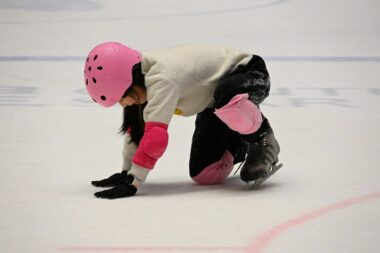
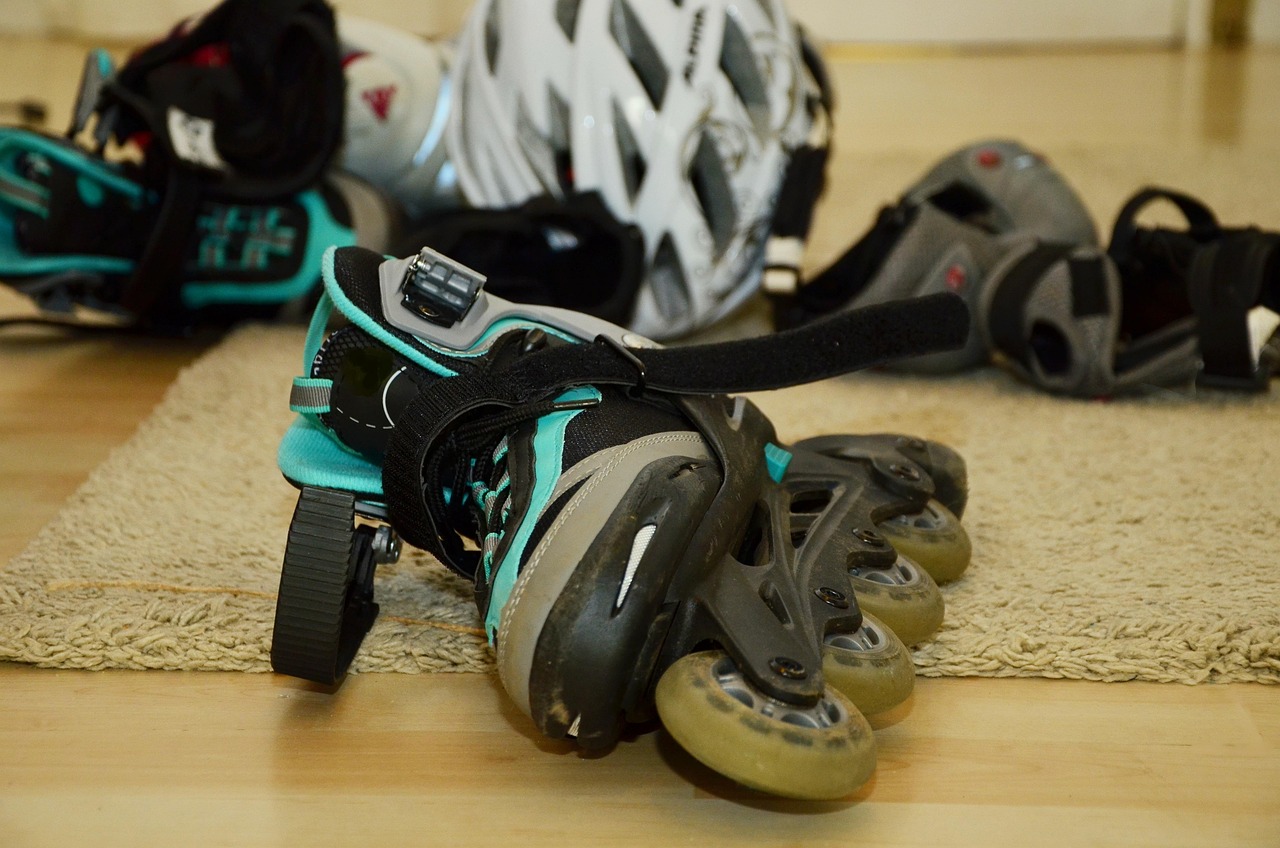
Inline skating can be an exciting activity for children, blending fun with fitness. Preparing for races and competitions involves several key aspects. First, it’s crucial to choose the right inline skates for your child. Consider factors such as size, weight, and skill level. Opt for skates that provide comfortable fit and good ankle support. Properly fitted skates not only enhance performance but also reduce the risk of injuries. Next, ensure that your child wears appropriate protective gear, including helmets, knee pads, elbow pads, and wrist guards. This equipment helps to avoid serious accidents during both practice and competitions. Instruction and training are other vital components of preparation. Enroll your child in a reputable skating program or academy where they can learn technique and proper racing strategy. These programs can also foster a sense of community among young skaters. Establishing a consistent practice schedule parallelly helps kids become more familiar with their skates and improve their speed and maneuverability. All of these elements together build their confidence, equipping them for a successful and enjoyable competitive experience.
Another significant part of preparing kids for inline skating competitions is setting realistic goals. Discuss with your child the importance of achieving personal bests rather than focusing solely on winning. Encourage them to track their progress over time. Keeping a record of their skills and improvements helps motivate children and build their self-esteem. Parents should also teach their kids about sportsmanship, which is essential both on and off the skating rink. Celebrating achievements — no matter how small — helps children appreciate their efforts, fostering resilience in the face of challenges. Parents can instill values like teamwork and respect, which are vital for a thriving competitive landscape. Additionally, nutritional considerations cannot be overlooked. A balanced diet rich in carbohydrates, proteins, fruits, and vegetables will fuel their bodies for training and competition days. Hydration is equally important, especially during long practice sessions. Equip your child with knowledge about eating well to enhance their overall performance. Finally, ensure mental preparedness by encouraging your child to visualize their routines or practice mindfulness exercises. Understanding how to focus can significantly impact their performance during events.
Creative Training Techniques
Training for inline skating competitions can indeed be made fun and engaging through creative techniques. Incorporating games and playful exercises develops not only skills but also keeps the motivation high. Activities such as obstacle courses allow kids to work on their agility while having a challenging experience. Skating relays can also be great for crafting speed alongside teamwork. Another method is to include interval training sessions. These sessions simulate race conditions, helping skaters build endurance and speed. Mix high-speed sprints with slower recovery periods, emphasizing breathing techniques to maintain peak performance. Moreover, consider cross-training options like cycling or swimming. These activities enhance overall fitness, contributing positively to skating performance. Yoga and stretching exercises are excellent for improving flexibility and balance. They support injury prevention and promote better control over movements. Furthermore, the use of video analysis can effectively illustrate technique and form for aspiring young competitors. Watching performance footage can inspire kids and point out areas for development. Each of these creative methods contributes to a well-rounded training regimen, building the skills and confidence needed to excel in competitions.
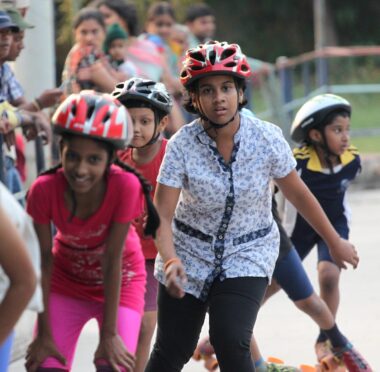
Confidence building is another crucial aspect of prepping kids for inline skating contests. Prior exposure to competitive environments can be beneficial in developing this attribute. Allow your child to participate in local races or even practice events with friends. Such experiences help them acclimatize to the competitive atmosphere, thereby reducing anxiety during actual competitions. Friendly competitions can build camaraderie among peers and serve as learning experiences. Sharing fears and anticipating the competition day can alleviate uncertainties. Parents can play a big role in offering encouragement and subtle reminders about their child’s capabilities. Create a positive mental space; remind them that it’s okay not to win every time. Consider enlisting the help of a coach who specializes in youth inline skating. Coaches often have techniques to coach the mental side of performance, aiding your child to focus on personal achievements and pushing limits effectively. This-focused approach allows kids to view competitions as enjoyable challenges rather than pressure-packed events. Attitude towards competition influences performance significantly, making it vital to support your child’s journey towards making it a positive experience.
Incorporating Fun into Preparation
While training and preparation for inline skating can be rigorous, incorporating fun is essential. Organizing skating outings with family and friends will allow your child to both train and enjoy their time on skates. Try visiting different rinks and trails to vary the environment and keep things fresh. Experiencing new terrains can hone diverse skills. Furthermore, consider setting up team-building activities where kids can bond and encourage each other. Building friendships allows them to share their skating experiences, thereby enhancing motivation. Utilize technology, such as skating apps, to engage kids in tracking their workouts or setting new goals. Such tech features gamify the experience, making training feel like a fun project. Celebrating improvements with small rewards or recognition can also create positive reinforcement, enhancing their desire to train harder. Encourage creativity within their training by letting them choose particular exercises or goals. This choice empowers them and fosters an intrinsic motivation that will serve beneficial throughout their skating journey. The blend of hard work and enjoyment facilitates a strong foundation for a fulfilling experience centered around inline skating.
Parents should also emphasize the importance of rest and recovery as kids prepare for inline skating competitions. Overtraining can lead to fatigue and burnout, ultimately hindering performance. Establishing a balanced schedule that includes sufficient practice and recovery time is crucial. Teach your child to listen to their body. Signals of exhaustion or discomfort should never be ignored. Implementing rest days allows time for muscles to recover and grow, ensuring they remain in optimal shape. Besides, restorative practices such as ice baths or gentle stretching can aid in recovery. Furthermore, helping kids learn time management can prepare them better. When kids understand how to balance their time effectively between skating, schoolwork, and leisure, they can reduce stress during competition periods. Creating a well-structured plan for training and other commitments can improve their focus and performance. Encouraging open communication regarding their feelings towards practices and competitions cannot be overlooked. Engaging in conversations about anxiety and nervousness can help dispel fears and foster an environment of trust and support. A balanced approach will allow kids to nurture their love for skating while striving for success.
Ready for Competition!
As the competition day approaches, it’s essential for both parents and kids to create a supportive environment. Practicing positive visualization techniques can help calm nerves. Encourage your child to imagine themselves successfully completing their races. Provide affirmation statements that inspire confidence. Discuss what to expect on the day, including routines and schedules. Familiarity can diminish anxiety on competition day, thus allowing kids to feel prepared. Ensure they have a checklist of gear and snacks prepared the night before. A calm, organized approach helps set the tone for success. Arriving early to the event is advisable; this ensures time to warm up properly and acclimatize to the environment. Lastly, have fun with the experience! Celebrate each achievement, no matter the outcome, showing your child that their efforts are valued above all. Documenting the day with photos or videos can provide lasting memories and motivate them for future events. This experience culminates in a journey not solely about competition, but about growth, resilience, and lifelong enjoyment of the sport. With your support, your child will be ready to tackle their inline skating competitions!