
The Role of Hydration in Managing Stress Levels
Hydration plays a crucial role in our overall health, significantly influencing how our bodies respond to stress. When the body is dehydrated, it can trigger a cascade of physiological responses that exacerbate stress. The brain, for instance, relies heavily on adequate water levels to function optimally. Insufficient hydration can lead to decreased cognitive performance, impairing our ability to think clearly under pressure. Furthermore, dehydration can increase the production of the stress hormone cortisol, contributing to a heightened sense of anxiety. Proper hydration, in turn, can help regulate these hormones, ultimately promoting a calmer disposition. It’s essential to recognize the connection between fluid intake and psychological well-being to foster resilience against stressful situations. Additionally, incorporating hydrating foods like fruits and vegetables into our diets can be beneficial. Maintaining a consistent intake of water is imperative for optimal hydration levels. Recommendations often suggest consuming at least eight 8-ounce glasses of water daily, but individual needs may vary. Monitoring your hydration status can empower you to manage stress better. Regularly checking urine color can serve as a practical indicator of hydration.
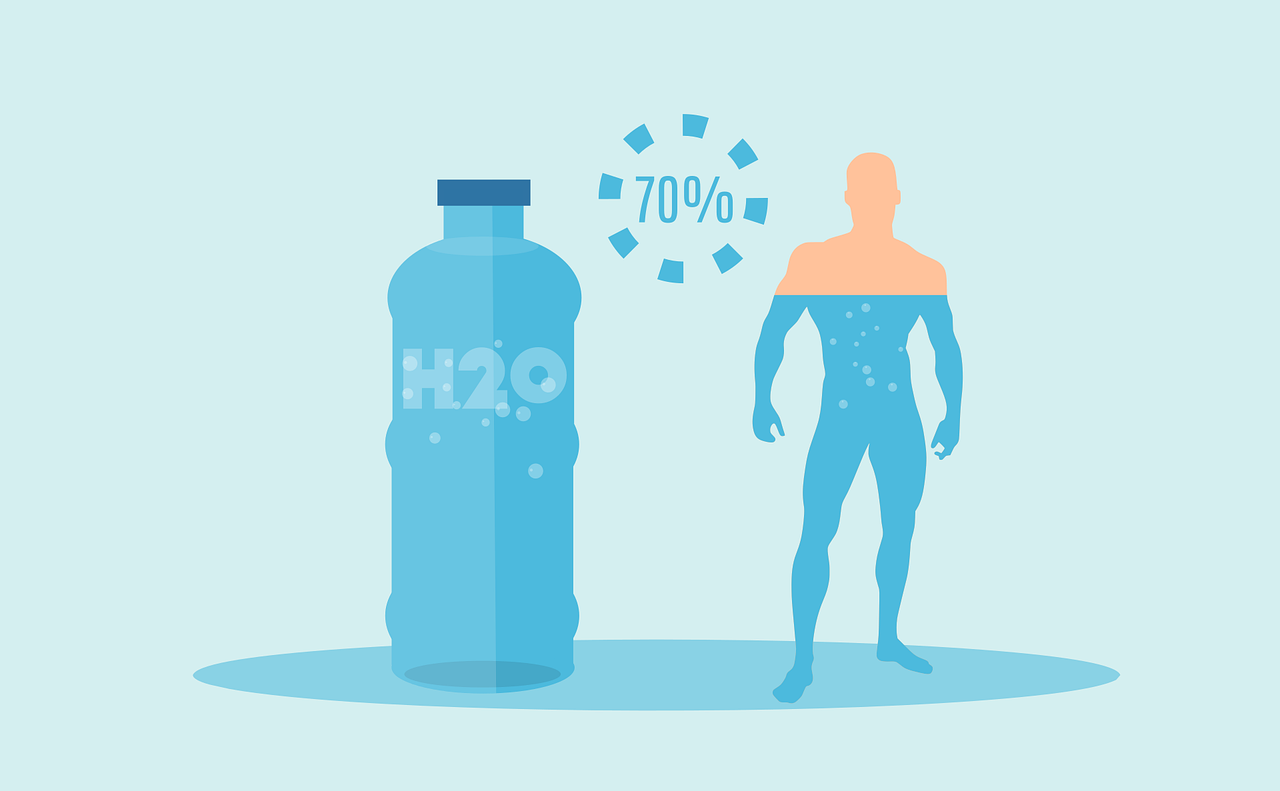
Additionally, hydration is vital for maintaining physical health, which directly impacts emotional wellbeing. Our bodies are composed of approximately 60% water, underscoring the significance of this essential fluid. When we become dehydrated, we may experience physical symptoms such as fatigue, dizziness, or headaches. These symptoms can be mistaken for stress, creating a cycle that can enhance perceived stress levels. Thus, ensuring adequate hydration can significantly aid in preventing stress-related symptoms. Many individuals overlook the importance of hydration when faced with daily demands, leading to unnecessary stress responses. It is crucial to integrate hydration strategies into our routines. Carrying a water bottle, scheduling regular breaks to drink, or setting reminders can effectively help maintain hydration levels. Furthermore, recognizing the signs of dehydration, such as dry mouth or feeling thirsty, enables proactive hydration efforts. Balance is essential; while excessive fluid intake can also be counterproductive, a moderated approach can lead to the best outcomes. Integrating hydration into your self-care routine can foster a healthier relationship with stress while enhancing overall mental clarity and focus.
Benefits of Hydration for Stress Management
Adequately hydrating the body can lead to several mental health benefits that aid in stress management. Hydration contributes to better sleep quality, which is essential during stressful periods. When we are well-hydrated, our bodies can work effectively, allowing us to unwind and engage in deeper sleep cycles. Furthermore, good hydration influences mood regulation by promoting the production of neurotransmitters that help stabilize our emotions. These factors combine to create an environment more conducive to coping with stressors. Additionally, hydration can enhance physical performance, leading to improved confidence and resilience in facing challenges. Exercise, another pillar of stress management, requires proper hydration for optimal performance. When we engage in physical activity, maintaining hydration helps replenish fluids lost through sweat, thereby reducing fatigue and promoting endurance. The end result is a healthier, more adaptable individual. Combining regular hydration with exercise and healthy eating creates a powerful trifecta for combating stress. Each element supports the others, leading to improved mental strength and resilience, which can be particularly beneficial during demanding situations.
Moreover, fostering a mindset around hydration can lead to better choices in times of stress. When individuals prioritize hydration, they often become more aware of their overall health and well-being. This mindfulness fosters a greater sense of control over one’s body and mental state, ultimately leading to reduced anxiety levels. Hydration acts as a simple yet powerful tool to manage stress proactively. Developing hydration habits can extend into other areas of self-care, including nutrition and exercise, creating a holistic approach to stress management. The benefits of hydration are deeply interconnected with our lifestyle choices, reinforcing the idea that maintaining fluid balance can positively affect how we navigate stress. As individuals recognize their hydration preferences, they can cultivate a personalized toolkit for managing stress effectively. Knowledge empowers individuals to take charge of their hydration needs—understanding when to drink and how much is essential for tackling life’s stressors. Experimenting with different hydration methods, such as herbal teas or naturally flavored waters, may enhance enjoyment while ensuring adequate fluid intake.
Strategies for Staying Hydrated
Implementing practical strategies can help individuals maintain hydration levels throughout the day. Carrying a reusable water bottle serves as a constant reminder to drink water regularly. Many people find it beneficial to set hydration goals, such as finishing a certain number of water bottles by the end of the day. Additionally, incorporating hydrating foods alongside drinks can enhance overall fluid intake. Foods such as cucumbers, oranges, and watermelon can make hydration enjoyable and delicious. Sipping water during meals can also facilitate better digestion while contributing to hydration. Consumption of herbal teas can provide a comforting alternative to plain water, making the hydration process more enjoyable. It’s essential to find what works best for you and your lifestyle. Many individuals also find that associating water intake with specific times or activities, like drinking water before each meal or after a meeting, can create healthy habits. Understanding and recognizing your body’s hydration cues is vital. Listening to your thirst signals and adjusting your intake according to physical activity levels or environmental conditions can support effective stress management.
Furthermore, understanding the signs of dehydration can help in creating better habits around hydration. Symptoms such as dry mouth, fatigue, and headaches can signal a need for more fluids. People who exercise regularly should pay attention to their hydration needs, as physical activity increases fluid loss and can significantly impact performance and recovery. Tailoring your hydration strategies based on your activity levels can enhance both physical and mental health. Keeping track of water intake through apps or journals is a great way to monitor progress, as this can foster accountability. Engaging in hydration challenges with friends or family can provide motivation and make the process enjoyable. Establishing these practices not only keeps stress levels in check but also builds a supportive network around healthy habits. Water intake does not have to feel burdensome or forced; instead, it can blend seamlessly into your daily routine. Cultivating a positive attitude towards hydration can lead to increased overall well-being, ultimately assisting in managing stress more effectively in both personal and professional aspects of life.
Conclusion
In summary, hydration should be a priority in any stress management strategy. The impact of water on our bodies and minds is profound, influencing not only physical health but also emotional resilience. By consistently prioritizing hydration, individuals can cultivate a healthier lifestyle. This integrated approach improves overall well-being and mounts an effective defense against stress. Simple daily practices can build lasting habits that promote better hydration, leading to enhanced mental clarity and emotional balance. The strategies for maintaining hydration are versatile and adaptable to each individual’s lifestyle, whether through conscious fluid intake or incorporating hydrating foods into the diet. Thus, fostering these habits can lead to a profound transformation in stress management efforts over time. Becoming more mindful of hydration contributes to a healthy relationship with the body’s needs and elevates overall life satisfaction. The journey to effectively managing stress begins with small steps towards improving hydration. In conclusion, make hydration a key component of your daily wellness routine and watch as its benefits unfold, enhancing your ability to navigate life’s challenges with grace.