
Winter Sport Challenges: Overcoming Fear in High-Speed Bobsledding
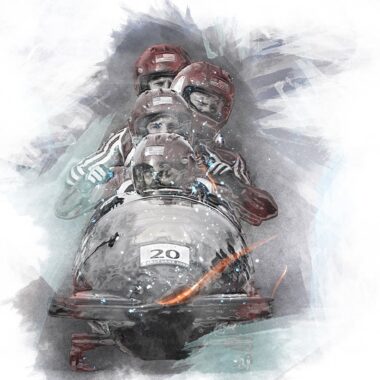
Bobsledding is an exhilarating winter sport that showcases speed and skill while navigating ice tracks. However, many newcomers face significant fears associated with this high-speed activity. At first glance, bobsledding may seem unapproachable, but overcoming these fears is essential for enhancing performance and enjoyment. Riders can utilize several tactics such as visualization techniques, breathing exercises, and gradual exposure to the sport. By envisioning success during their rides, athletes can boost confidence and manage anxiety. It is important to recognize that fear is normal, especially when embarking on a thrilling journey like bobsledding. Moreover, to develop resilience, participants must accept the emotional challenges presented by this sport, transforming fear into motivation. Engaging with a coach who has experience in overcoming these challenges is beneficial. They can expose riders to the sport’s physical demands while ensuring safety and practicality during training. Also, connecting with fellow bobsledders helps, as they share personal stories of overcoming fear and achieving success. Gathering wisdom from others serves to create a supportive environment where challenges can be tackled together.
As riders progress, they discover various techniques for managing fear. Understanding the mechanics and physics underlying bobsledding enhances rider control and confidence. Athletes often experience a surge of adrenaline during intense moments, creating anxiety that might hinder their performance. To combat this, focusing on the fundamentals of steering, braking, and weight distribution is crucial. These elements allow athletes to gain mastery over their bobsleds, turning fears into a sense of achievement. Moreover, participating in practice runs on less complex tracks helps newcomers acclimate to the speed and sensations. Everyone has a unique learning curve—some may adapt quickly, while others may need more time. Therefore, patience is key in this journey. As they gain experience, athletes develop their style and approach, enabling them to fully engage with the sport. A consistent training schedule combined with feedback from coaches can significantly improve their skills and mental resilience. Building camaraderie with teammates fosters both support and encouragement. Recognizing individual progress creates motivation that fuels future endeavors and helps chase down high-speed thrills safely.
Building Mental Resilience
Building mental resilience is important when dealing with fear in bobsledding. Athletes can improve their focus by implementing strategies such as mindfulness and positive affirmations. As they practice these techniques, they condition themselves to face fears head-on and stay present during the ride. Visualization practices, where they imagine a successful run, serve to reinforce positive outcomes. It is essential for athletes to understand that they will not achieve perfection every time, which allows acceptance of imperfections. Embracing mistakes as learning opportunities fosters growth. This mindset shift emphasizes the importance of persistence and encourages athletes to persevere despite setbacks. Participating in group sessions with trained professionals can provide platforms for discussing fears, addressing concerns, and sharing strategies. Moreover, athletes can engage in physical conditioning, which can directly influence their mental state. A strong body often correlates with a strong mind, enabling them to push past boundaries. Setting incremental goals is another effective strategy. This approach permits athletes to achieve personal benchmarks without becoming overwhelmed, allowing for steady progress while processing fear. Overall, these strategies are essential for thriving in the face of uncertainty.
The role of coaching plays a pivotal part in overcoming fear in bobsledding. Coaches serve not only as instructors but also as motivators and mentors. Their wealth of knowledge about technique helps athletes polish their skills. When a coach emphasizes building a support system, it promotes connection among athletes. This supportive network allows for sharing experiences and coping strategies. Additionally, coaches must cultivate a safe learning environment, where athletes can discuss fears freely. Acknowledging individual fears encourages dialogue about overcoming them and promotes a culture of support. Furthermore, coaching techniques can include guided imagery, where the coach helps visualize a successful run and ultimately builds the athlete’s confidence. Each practice run provides an opportunity for coaches to offer constructive feedback that bolsters resilience. This ongoing encouragement allows riders to push their boundaries continually while feeling supported. Creating tailored training plans that incorporate specific exercises to build confidence is also beneficial. Finally, fostering a strong bond between athlete and coach significantly enhances communication, which positively impacts progression in tackling fears. Together, they can transform anxiety into excitement in the world of bobsledding.
Community Support and Involvement
Bobsledding is not just an individual sport; it also thrives on community support and involvement. Athletes often find inspiration from local clubs, events, and competitions that bring together like-minded individuals passionate about the sport. The presence of supportive communities fosters a sense of belonging, which can reduce anxiety. Additionally, friends, family, and fellow athletes provide a safety net that encourages riders to face their fears. Engaging in team-building exercises fosters mutual trust and camaraderie, which strengthens relationships. Social gatherings, training camps, and mentorship programs provide opportunities for athletes to connect, share experiences, and learn techniques to combat their fears in a nurturing atmosphere. Moreover, connecting with seasoned bobsledders who have conquered their fears offers aspiring athletes valuable insights. They can obtain advice on mental and physical preparation, reinforcing the belief that overcoming fear is possible. Participating in community outreach programs helps promote awareness for bobsledding, and this can encourage more participants to join. By celebrating each individual’s accomplishments, regardless of their level of skill, communities can successfully nurture the next generation of bobsled enthusiasts.
As bobsledders continue their journeys, evaluating personal growth becomes crucial. Advantages obtained from overcoming fear can be applied to everyday life, enhancing personal development and emotional regulation. Athletes find that the confidence built during training to master challenging runs can positively influence their personal lives. The mental strategies they cultivate—such as resilience, adaptability, and focus—are transferable skills. These skills empower athletes to face various challenges, whether in sports or on a personal level. As they navigate these high-speed runs, riders learn how to embrace uncertainty and trust their instincts. This approach yields lessons in patience, hard work, and perseverance that extend beyond the ice track. Moreover, athletes discover that reflective practices, such as journaling victories and challenges, serve to highlight progress. This reflection allows a deeper understanding of their emotional journeys, enabling them to move forward with greater clarity. These practices also help train their minds to view fear as an opportunity for growth. Consequently, as bobsledders face their fears, they develop a deeper sense of self-awareness and confidence that benefits multiple spheres of their lives.
Conclusion: Embracing the Thrill of Bobsledding
Ultimately, embracing the thrill of bobsledding involves addressing fear head-on with determination and support. As athletes navigate this exhilarating sport, they continuously learn to convert anxiety into excitement while pursuing speed. Recognizing that fear is a common emotion shared amongst competitors helps foster camaraderie, encouraging teamwork. Supportive coaching, community involvement, and mental strategies all contribute to ensuring success on the ice. Through persistence, athletes not only tackle their fears but also experience personal growth and development that can alter their lives for the better. The mental and physical benefits gleaned from bobsledding extend beyond the sport, fostering resilience and enhancing self-awareness as they challenge themselves. Feedback loops, goal-setting, and open communication are instrumental in sustaining positive experiences while learning. Moreover, every ride becomes an avenue for exploration and personal achievement. Bobsledding, while high-speed, also presents valuable life lessons, leading athletes to discover their full potential. By transcending boundaries and embracing the experience, athletes proudly carry with them the skills learned on the track, transforming their perspectives on speed and challenge.