
Understanding Injury Biomechanics
Injury biomechanics is a crucial field of study that examines the mechanics involved in human injury. It combines principles from engineering, biology, and medicine to understand how injuries occur, their severity, and the mechanisms behind them. By studying various types of injuries, researchers aim to develop methods to minimize their occurrence and improve recovery outcomes. A focus on understanding the forces acting on the body during different activities enables the identification of injury risks. This knowledge is essential for effective treatment protocols and injury prevention strategies. Various tools and technologies are employed within injury biomechanics to measure and analyze forces, accelerations, and body movements. Notably, simulation models and physical testing environments allow for the examination of how different scenarios can lead to injuries. These insights benefit not only individuals but also organizations aiming to create safer environments, whether in sports, workplaces, or public spaces. As knowledge in this field expands, it significantly impacts how athletes and workers are trained, leading to improved safety standards and equipment designs. The continued exploration of injury biomechanics can contribute to a reduction in both short- and long-term health complications associated with injuries.
Falling injuries represent one of the leading causes of impairment and mortality, particularly in older adults. By applying principles of injury biomechanics, we can better anticipate how falls occur and what preventive measures can be most effective. Analysis of falling dynamics involves examining the body’s position, the amount of force exerted during impact, and the resulting injuries. When analyzing falls, researchers often consider factors such as surface type, footwear, and even environmental conditions. Gait analysis plays a significant role in this evaluation, as understanding an individual’s walking pattern may reveal vulnerabilities to falls. Effective interventions can be tailored based on this data, such as improving strength and balance, which are crucial for fall prevention. Furthermore, studying the relationship between falls and specific environmental hazards contributes to creating safer living and working conditions. Engineers and designers can incorporate biomechanical findings directly into the development of supportive technology and architecture. Communicating these findings helps various sectors implement necessary changes proactively. As a result, reducing fall-related injuries can significantly enhance quality of life for susceptible populations, ultimately reducing healthcare costs associated with fall-related treatments.
The Role of Sports Equipment in Injury Biomechanics
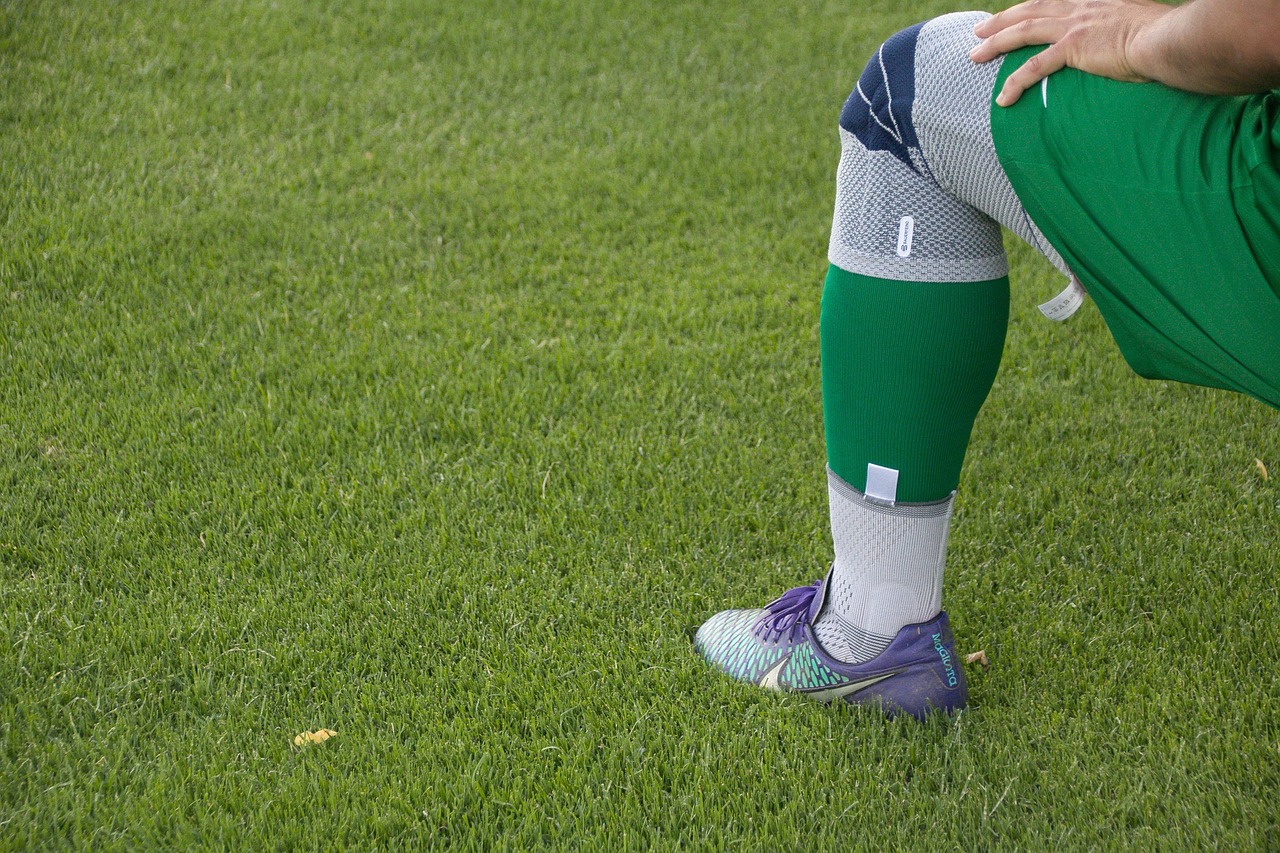
Sports equipment plays a significant role in determining the risk and impact of injuries during athletic activities. When assessing biomechanics in sports, the interaction between athletes and their equipment is crucial. Advanced designs have led to equipment that can potentially mitigate the forces experienced during impacts. For instance, helmets, pads, and specialized footwear are engineered using data from injury biomechanics studies. These innovations aim to absorb and disperse impact forces, thereby lowering the likelihood of injury. Research has demonstrated how modifications in equipment design can influence the biomechanical load placed on an athlete’s body. Additionally, studies often explore case comparisons between equipment types, measuring how different materials and constructions can enhance performance while ensuring safety. By adopting this approach, manufacturers and athletes are able to work together to create gear tailored to specific sports and activities. This collaborative effort emphasizes the importance of using data-driven methods to inform equipment development and the training regimens of athletes. Overall, the synergy between injury biomechanics and sports equipment design is critical to advancing athlete safety and promoting longevity in their sports careers.
Understanding common athletic injuries is paramount in injury biomechanics research. Some prevalent injuries include strains, sprains, fractures, and concussions, each resulting from specific biomechanical mechanisms. For example, ankle sprains often occur due to improper foot placement or excessive force during rapid direction changes, leading to the overstretching of ligaments. Analyzing these mechanisms helps in developing strategies to prevent such injuries through targeted training programs. Effective injury prevention can include strengthening exercises, flexibility routines, and proper warm-up techniques that account for individual biomechanics. Epidemiological studies also contribute significantly to this discourse by providing insights into injury trends across different sports and demographics. By taking these preventive measures seriously, athletes can minimize risks and enhance performance. Furthermore, education about these common injuries is essential for coaches and trainers, allowing them to identify early signs and symptoms, facilitating timely intervention. By fostering awareness and knowledge, injury biomechanics plays a vital role in shaping comprehensive training regimens. Ultimately, the objective is not just to address injuries after they occur but to create an environment where athletes can thrive injury-free.
Biomechanical Analysis in Rehabilitation
The role of biomechanics in rehabilitation is indispensable, especially for recovering athletes and accident victims. Understanding the movement patterns and forces involved in rehabilitation exercises can significantly impact patient outcomes. Through personalized rehabilitation strategies informed by biomechanical analysis, practitioners can optimize recovery protocols, ensuring they meet individual needs. Techniques such as motion capture and force plate analysis enable detailed assessments of how a patient moves and responds during rehabilitation. Identifying areas of weakness or imbalance allows therapists to tailor interventions that facilitate a more effective recovery process. Additionally, biomechanical evaluation helps track progress accurately, providing data to clients and adjusting strategies as needed. Clinicians are also able to utilize this information to educate patients about their recovery journeys, instilling confidence and motivation. Among the various techniques used in rehabilitation, strength training and proprioceptive exercises utilize biomechanical principles effectively to enhance functional movement. This focus on safe rehabilitation not only accelerates healing but also prepares athletes to return to their sports with improved resilience against future injuries. Ultimately, biomechanics is key to delivering comprehensive and effective rehabilitation for injured individuals.
Advancements in technology continue to reshape the field of injury biomechanics, enhancing our understanding of the mechanisms of injury. Wearable technology, such as accelerometers and gyroscopes, allows for real-time monitoring of an athlete’s movements, providing invaluable data on performance and potential injury risks. By analyzing this data, coaches and medical professionals can make informed decisions about training and injury prevention. Furthermore, virtual reality simulations are being employed to recreate injury scenarios, enabling researchers to study biomechanics in controlled environments. This level of insight is crucial for developing strategies that can effectively reduce injury rates. Research continues to push the boundaries, exploring how biological signals can predict injuries before they occur. One promising area of exploration involves biomechanics coupled with machine learning algorithms, which can analyze vast amounts of data to detect patterns predictive of injury. These developments not only help in enhancing the safety of athletes but also provide valuable insights for varied populations, including military personnel and the elderly. As technology continues to progress, the potential for preventive strategies in injury biomechanics will only grow, potentially revolutionizing how we approach physical activity and health.
Conclusion and Future Directions
In conclusion, injury biomechanics serves as a critical interdisciplinary field dedicated to understanding and preventing injuries. By leveraging insights from various research areas, including engineering and medicine, we can develop strategies that enhance safety across different activities. As the understanding of biomechanics evolves, it is essential to continue focusing on innovative methodologies and technologies that can further our insights into injuries and their prevention. Collaboration between researchers, healthcare professionals, and athletes is vital for developing effective interventions that address the biomechanics of injury. The continued study of this field will undoubtedly generate the evidence necessary for designing safer sports, workplace environments, and public spaces. As technology advances and our understanding deepens, we gain a more holistic view of injury prevention and recovery. Implementing findings from ongoing research will lead to enhanced safety protocols and injury prevention measures. With a greater emphasis on education and awareness, we can cultivate a culture that values health and safety in every activity. Ultimately, our commitment to the principles of injury biomechanics will impact many lives positively while fostering a safer, healthier future for all.”>
The realm of injury biomechanics is vast and complex, bridging the gap between understanding human movement and preventing harm. Its implications are profound, extending from the sports field to everyday life, emphasizing the need for interdisciplinary collaboration and a commitment to safety. As we strive for greater knowledge and better practices, it is evident that injury biomechanics will continue to be a fundamental aspect of enhancing human health and performance.