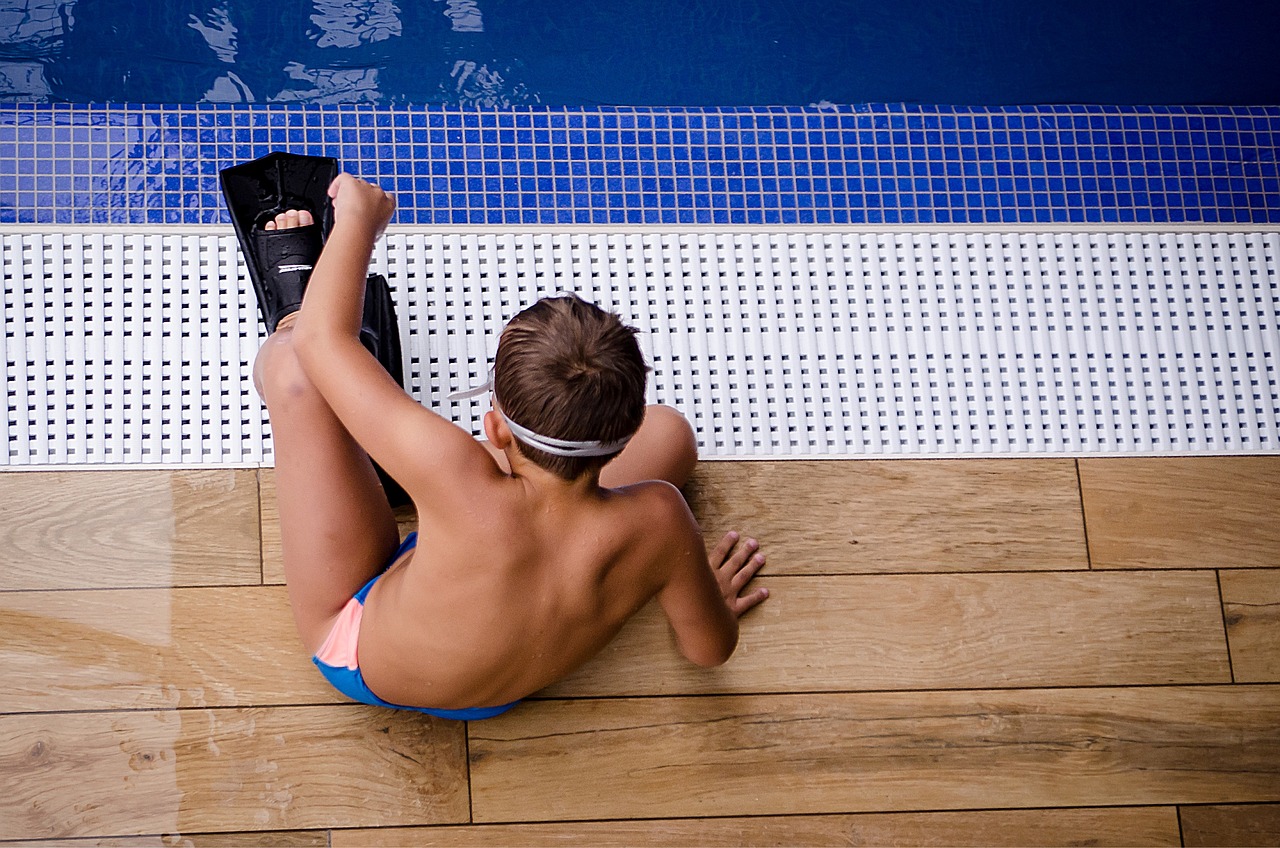

A Complete Guide to Swim Fins: Improve Your Technique
Swim fins can revolutionize your swimming technique and overall performance in the water. Beginners might wonder why fins are essential in their training regimen. Fins assist in developing a stronger kick, improving body position, and enhancing your overall swimming speed. By gaining a better understanding of how swim fins work, you can make the most of your swimming workouts. While they can be beneficial for every swimmer level, the key is learning how to use them effectively. Throughout this guide, you will discover the various types of swim fins available, their specific uses, and tips on how to incorporate them into your swimming routine. Whether you’re focusing on improving your kick technique, building strength, or simply enjoying the water, swim fins are a fantastic tool to add to your arsenal. To get started, you need to choose the perfect pair that best fits your swimming style. Keep in mind that the right fins can dramatically improve your performance, thus elevating your swimming experience. Let’s dive deeper into how swim fins can assist you on your journey to mastering your swim strokes.
Types of Swim Fins
When exploring swim fins, you will find several types available, each designed for specific purposes. It’s crucial to understand their differences to select the best pair for your training needs. Here are some popular types of swim fins you might encounter:
- Short Fins: Ideal for speed training and building leg strength.
- Long Fins: Suitable for enhancing kick technique and flexibility.
- Open-Toe Fins: Perfect for those who prefer comfort and slight texture variations.
- Blade Fins: Designed to increase propulsion, focusing on speed in water.
Each fin type serves a unique purpose, and your choice should depend on your goals. For instance, short fins help with speed while encouraging quicker turnovers. Although long fins provide a different experience, they assist greatly in flexibility. It’s essential to experiment with different types to determine which ones enhance your training effectively. Keep in mind that the right pair can significantly contribute to your swimming technique improvement.
Aside from choosing the correct type of swim fins, understanding how to utilize them correctly is essential. Beginners often make the mistake of relying too much on their fins, which can hinder the development of proper kicking techniques. It’s crucial to maintain balance between regular swimming practice and fin training. Start by incorporating them into your warm-up sessions, allowing your legs to adjust to the resistance. This gradual adaptation will enable you to notice improvements in your kick strength. You can also utilize swim fins during drills to help focus on specific strokes. For example, using fins while practicing breaststroke will encourage proper body positioning and timing. Remember to focus on strong, controlled motions rather than rushing through your sets. Additionally, utilize fins in drills that emphasize the importance of a streamlined position to maintain efficiency in the water. A balanced approach to incorporating swim fins into your training routine will yield the best results and help you achieve your swimming goals continually.
Benefits of Using Swim Fins
Swim fins offer an array of benefits that enhance your swimming abilities beyond simply providing propulsion. As you train with fins, consider the following advantages:
- Improved Leg Strength: Fins provide additional resistance, increasing leg power and endurance.
- Better Technique: By improving your kicking motion, you develop better habits.
- Enhanced Body Position: Fins help lift your legs, promoting a streamlined body position.
- Increased Speed: Training with fins leads to improved overall swim speed.
Each of these benefits contributes to your performance in the water. As you work on refining your strokes, also pay attention to the improvements in your cardiovascular fitness and overall endurance. Fin training plays a key role in enabling you to transition from practice to race day more effectively. Additionally, using fins can add balance to your workouts, ensuring you work both upper and lower body muscles. Ultimately, the swim fins’ advantages may lead to faster times and a more enjoyable overall experience in the water. By understanding these benefits, you can better incorporate fins into your workouts.
Incorporating swim fins into your training plan can be easy, especially if you establish specific exercises to focus on. Begin with warm-up laps using fins at a moderate pace. Gradually increase the intensity and observe the increased resistance. Consider performing kicking drills separately from your swim sets to focus solely on your lower body. For instance, practice flutter kicks while holding onto the pool edge for stability. This will allow you to focus on generating power while keeping your movements controlled. Additionally, intersperse regular swimming sessions with fin training to maintain a balanced approach. For instance, dedicate a day specifically for technique work, utilizing fins to concentrate on developing a strong kick. Over time, you’ll find your legs becoming stronger and more efficient. Keep in mind that while fins are beneficial, they shouldn’t entirely replace regular swimming workouts. Instead, use them as a supplementary tool to enhance your overall technique and performance goals. By integrating swim fins effectively into your training, you can optimize your workouts and achieve a superior performance in the pool.
Caring for Your Swim Fins
Maintaining your swim fins is crucial to extend their lifespan and ensure they continue performing well. After each training session, rinse fins with fresh water to remove chlorine and prevent degradation. This simple process eliminates harmful chemicals that can cause long-term damage to the fin material. Make sure to dry them thoroughly by keeping them out of direct sunlight; excessive heat can warp fins. Furthermore, store your fins in a cool, dry place when not in use. Using a fin bag can help protect them from punctures and scratches, especially during transport. When examining your fins prior to a workout, ensure there are no visible damages, as any cracks can affect performance and comfort. Regularly inspect straps and buckles for wear and adjust as needed to prevent discomfort while training. The maintenance of your swim fins might seem minor, but these practices are essential in extending their longevity. Proper care will ensure your fins provide consistent performance and contribute effectively to your training routine.
In summary, swim fins are an invaluable training tool that can significantly enhance your swimming technique and performance. Throughout this guide, you have learned about the different types of fins, their benefits, and how best to incorporate them into your training. Regular utilization of swim fins not only improves leg strength but also contributes to better body positioning and stroke technique. Remember, the key to maximizing the advantages of swim fins lies in balance; use them alongside traditional swimming workouts for optimal results. Caring for your fins will extend their lifespan, ensuring that they remain a reliable training partner over time. Whether you are a beginner or an advanced swimmer, integrating swim fins into your routine can lead to impressive gains in performance and enjoyment. So, consider adding fins to your swimming gear and watch as your skills within the water soar to new heights. With persistence, dedication, and the right tools, you will succeed in reaching your swimming goals in no time.