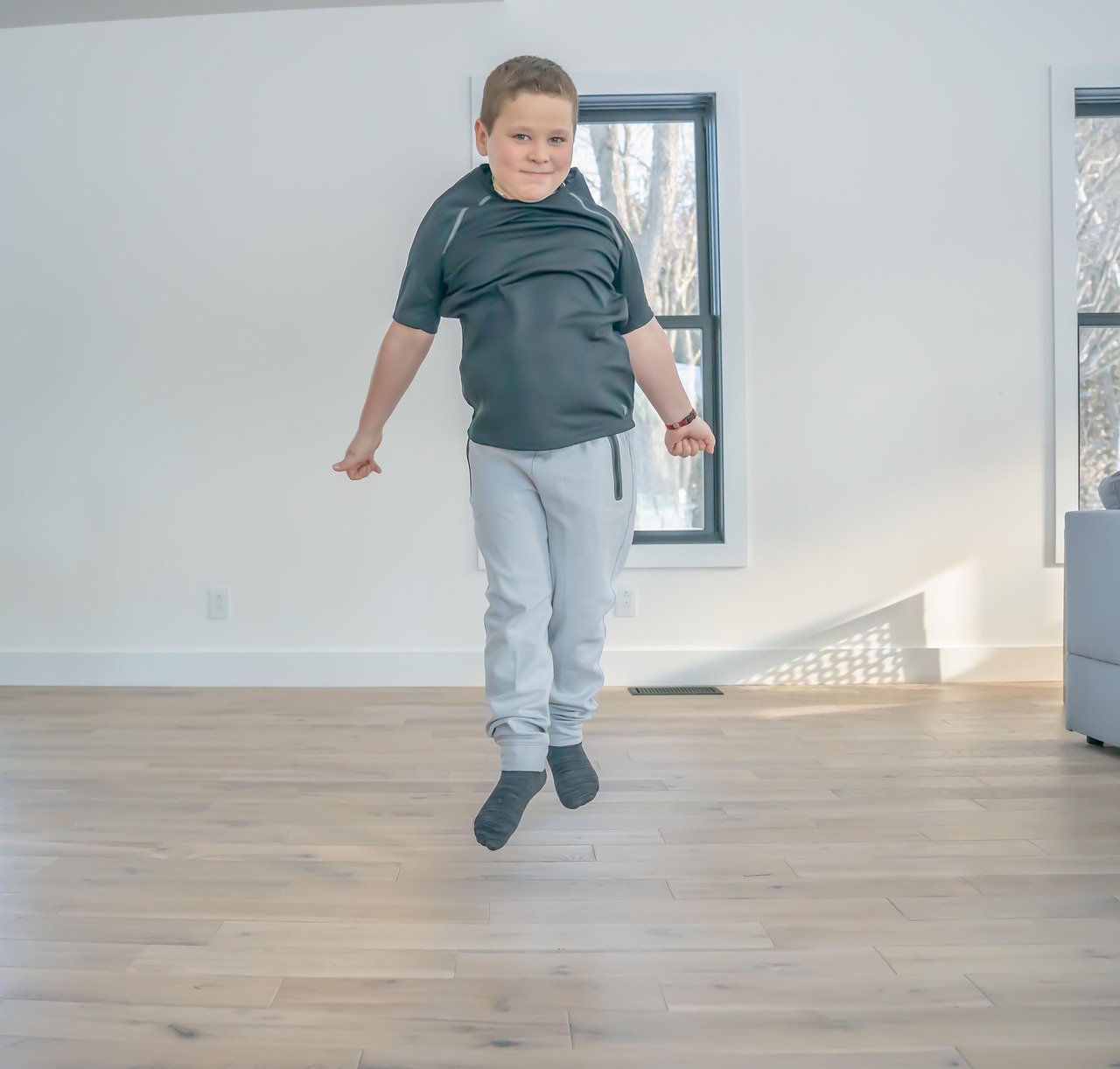

How to Celebrate Milestones in Kids’ Fitness Journeys
Tracking fitness progress for kids is essential for fostering healthy habits. As children engage in fitness activities, recognizing and celebrating their achievements can enhance their motivation. One effective way to track this progress is through a fitness journal. In this journal, kids can record their workouts, note improvements in endurance, strength, and flexibility. A customizable chart can make the tracking process visually appealing and fun. Encourage children to use stickers or drawings to mark milestones, such as completing a specific number of workouts or achieving personal bests. This not only makes fitness a rewarding experience but also teaches kids about goal-setting. Setting achievable goals is crucial. Ensuring these goals promote physical activity while being age-appropriate keeps children excited. Celebrating these milestones, whether through rewards or simply sharing progress with family and friends, reinforces their efforts. Additionally, parents can introduce fitness tracking apps that are kid-friendly. These apps often include video tips and interactive games, making tracking engaging. By fostering excitement about fitness milestones, parents can positively influence their children’s long-term health and wellness journey.
Engaging kids in fitness requires creative approaches to tracking their success. Birthdays, athletic achievements, or specific fitness goals can serve as wonderful opportunities for celebration. As a parent or guardian, developing a personalized reward system allows children to feel a sense of accomplishment when they achieve their targets. Involve children in the process of establishing what rewards they would find meaningful. This may include fun family outings, a special meal, or new athletic gear. Provide them with positive affirmations as they progress through their fitness journeys. Regularly voicing encouragement helps build their self-esteem, reinforcing the idea that fitness is enjoyable and rewarding. Track progress together to create a sense of teamwork and support. In addition to fitness journals and apps, digital platforms that showcase achievements can boost their confidence. Consider creating a digital scrapbook where children upload photos of events, achievements, and fitness routines. By doing so, they can reflect on their hard work over time. The importance of celebrating small victories leads to sustained enthusiasm for fitness activities. Thus, parents and guardians should consistently recognize and highlight these milestones for continued encouragement.
Creating a Community of Support
Inclusive environments foster a greater interest in fitness among kids. Creating a community of support around children’s fitness journeys can provide motivation and accountability. Enlisting friends and family to join in fitness activities creates a fun atmosphere that encourages healthy habits. Organizing group activities like bike rides, hikes, or fitness challenges cultivates camaraderie. Consider forming a small fitness group where kids can share their goals and accomplishments. This also promotes peer accountability and encourages communication about fitness aspirations. Within schools, advocacy for fitness programs can also create a supportive network. Participating in school-sponsored events may advance children’s commitment to maintaining active lifestyles. Parents can cooperate with teachers to arrange fitness games and friendly competitions, thus igniting enthusiasm for exercise. Celebrating group achievements is just as valuable as individual milestones. Incorporating team rewards reinforces teamwork and motivates collective participation. A culture of shared victories instills a sense of belonging. As kids appreciate their progress alongside peers, they are less likely to abandon fitness activities. Through community support, children can learn valuable lessons about perseverance and support, which will serve them well throughout life.
Incorporating technology into tracking children’s fitness can boost engagement while providing useful insights. Various apps and devices allow tracking of physical activities and nutritional intake, tailored specifically to younger audiences. These tools offer fun incentives and challenges. Some include avatars or character customization as a reward for maintaining consistent activity levels. Kids enjoy visual representations of their progress, motivating them to reach their fitness goals. Parents should introduce these tools in a manner that encourages discovery and creativity. Demonstrating how to use these devices can be a fun way to bond with children. Additionally, note that technology, when properly introduced, can help teach children about accountability. They learn to monitor their own progress and set goals according to the data provided. Organizing fitness challenges between friends using technology can lead to friendly competition. Parents can even join in. The inclusion of family participation increases engagement, promoting a collective mindset towards healthy habits. However, parental guidance is vital to ensure screen time remains balanced with physical activity. Teaching kids to embrace technology as an ally in their fitness journeys creates a sustainable path to lifelong health habits.
Fun Ways to Reward Milestones Achieved
Rewards can play a fundamental role in motivating children to reach their fitness aspirations. However, it is equally essential to select appropriate, meaningful rewards that encourage further progress. Simple but effective reward methods; such as tokens or points that accumulate can be used for small prizes. Set a clear system for what rewards are earned and how to achieve them. Consider hosting a family celebration or fitness party for significant milestones, inviting friends and family to show support. The involvement of peers creates a fun atmosphere and encourages active participation in fitness. Think about incorporating fun activities, such as obstacle courses, scavenger hunts, or friendly races, during these events. Kids appreciate recognition for their hard work, and these forms of acknowledgment help solidify their commitment to fitness. Incorporating imaginative elements into these celebrations can transform routine achievements into unforgettable moments. Surprise rewards, like a special family outing or a new game, can be particularly effective. Including positive feedback and acknowledgment boosts their self-esteem. Ensuring that rewards align with their personal interests motivates kids to commit to ongoing participation in fitness activities.
Physical fitness not only nurtures children physically but also contributes to their emotional wellbeing. As kids celebrate their fitness milestones, they develop resilience and self-discipline. Skills achieved through fitness experiences can translate into other aspects of life. The act of meeting fitness goals promotes a positive mindset and can diminish feelings of stress or anxiety. Additionally, milestones such as mastering a new physical skill or surpassing a previous personal best can instill a sense of pride. Parents should emphasize these emotional benefits, reinforcing their child’s achievements. Encourage kids to reflect on how hard work leads to tangible results. Discussing personal growth fosters a greater appreciation for effort and persistence. Introducing reflection activities can further clarify thoughts surrounding accomplishments and progress. Journaling experiences or discussing them during family time helps children surface their feelings and insights about their fitness journey. Setting aside time to discuss challenges faced and how they overcame them strengthens emotional intelligence. As portion of the fitness journey, children gain a clearer understanding of themselves. Ultimately, the lessons learned while celebrating milestones translate beyond fitness, setting the foundation for a healthy, happy life.
The Future of Kids’ Fitness
As families prioritize children’s fitness journeys, it becomes vital to cultivate an environment that values health and wellness. By celebrating milestones regularly, parents can spark long-lasting enthusiasm for an active lifestyle. Emphasizing fitness fosters resilience, and the recognition of personal achievements enables children to create overarching goals for the future. Ultimately, persistence pays off, building confidence along the way. Evaluation of milestones sets the stage for children to embrace lifelong fitness habits. Incorporating regular celebrations ensures that fitness becomes a joyful, integrated component of family culture. Promoting ongoing discussions about health reinforces its importance in their lives. Keeping an open communication channel enables kids to express their feelings, thoughts, and experiences related to fitness. This reinforces the idea that being active is a shared journey within families. As children grow and mature, adapting goals to their evolving needs is crucial. Maintain flexibility and openness to change in fitness routines, ensuring that physical activity matches their interests as they develop. Furthermore, inspire them to explore new sports or activities. Ultimately, the support provided by parents and communities contributes significantly to the development of children’s fitness journeys.
Tracking fitness progress in kids helps them develop the skills and mindset necessary to maintain healthy, active lifestyles well into adulthood. Parents play an essential role in frequently celebrating children’s fitness milestones while providing encouragement and support. As children progress, achievements and the strategies used to reach these goals build a solid foundation for future health. Remember, fostering enthusiasm involves recognizing hard work and celebrating small milestones, whether through tangible rewards or emotional support. The collaborative efforts of families, communities, and schools serve as an essential support network. Such teamwork influences positive health choices that last a lifetime. In conclusion, prioritizing fitness throughout childhood creates numerous benefits, including physical wellbeing, emotional resilience, and a deeper understanding of the importance of an active lifestyle. Thus, let us celebrate the milestones achieved along this fitness journey and highlight the value of health and wellness.