
Mastering the Glute Bridge: A Bodyweight Activation Exercise
The glute bridge is an essential bodyweight exercise designed to activate the glute muscles effectively. This exercise not only strengthens the glutes but also enhances overall stability in the lower body. By focusing on glute activation, you can improve your athletic performance, protect your back, and maintain better posture. The glute bridge primarily targets the gluteus maximus, along with working the hamstrings and lower back. This makes it a comprehensive exercise for developing strength in the posterior chain. Additionally, it’s highly versatile and can be modified for all fitness levels, making it accessible to everyone. Performing glute bridges regularly can help you achieve greater power during activities such as running, jumping, and squatting. Proper glute activation can also assist in preventing injury and improve movement mechanics. To get started, make sure you find a clear space on a flat surface, preferably on a mat or soft flooring to protect your back. Engaging your core and ensuring proper form is crucial for optimal benefits from this exercise, so let’s dive into how to perform it effectively.
Steps to Perform the Glute Bridge
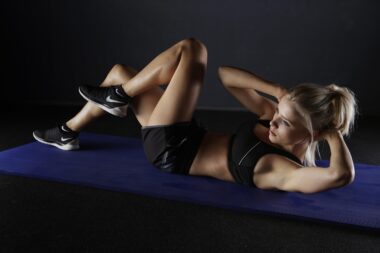
To execute a glute bridge correctly, start by lying flat on your back with your knees bent and feet hip-width apart. Ensure your feet are placed firmly on the ground, close to your glutes. Your arms should be resting comfortably at your sides, palms down. Focus your attention on your core and ensure it remains engaged throughout the movement. As you begin, drive through your heels, pushing your hips upward toward the ceiling. Keep your shoulder blades pressed into the mat while maintaining a neutral spine. At the top position, your body should form a straight line from your shoulders to your knees. Hold this position for a second or two before slowly lowering your hips back to the ground. Ensure that throughout the movement, you are activating and squeezing your glutes for maximum engagement. One common mistake is overextending the back; avoid arching your lower back as you lift, as this can cause discomfort. This movement can be repeated for multiple sets and reps, making it easy to incorporate into your workout routine.
In terms of frequency, it is advisable to aim for three sets of 10 to 15 repetitions of glute bridges two to three times a week. This frequency allows sufficient time for recovery while ensuring consistent glute activation and strength building. You can also vary the style of glute bridges as you become more comfortable with the standard version. For example, elevating your feet on a bench or step can increase the intensity of the exercise significantly. Likewise, you can add a resistance band around your thighs to further challenge the glute activation. As you progress, consider adding single-leg glute bridges, which require greater stability and activate the glutes more effectively by isolating each side. This modification helps correct muscle imbalances between the right and left glutes. Remember, consistency is key to seeing significant improvement in strength and hip stability. So, keep track of your sessions and aim for gradual increases in repetitions or resistance to continue making progress over time.
Understanding the Benefits of the Glute Bridge
The benefits of the glute bridge extend beyond just activation. Practicing this exercise can lead to various performance enhancements and functional improvements. Firstly, strong glutes contribute to better posture, helping align your pelvis and spine correctly. This alignment reduces the risk of developing back pain, which is a common issue for many individuals. Furthermore, glute bridges strengthen your hip extensors, which are crucial for efficient movement patterns during running and walking. Adequate glute strength assists in maintaining proper knee tracking and reducing the chance of overuse injuries. Another significant advantage is its role in athletic performance. Whether you are a seasoned athlete or someone who enjoys casual sports, strong glutes are vital for explosive movements such as sprinting and jumping. Moreover, improved glute engagement positively impacts your squats and deadlifts, allowing you to lift heavier weights more effectively. Integrating glute bridges into your strength training routine not only helps in achieving aesthetic goals but also enhances functional fitness. This gives you the foundational strength needed for sports and daily activities, making it a worthy addition to any routine.
In addition to physical benefits, practicing glute bridges has positive effects on mental well-being. The focused nature of glute activation allows individuals to develop a mind-muscle connection, enhancing body awareness during workouts. This focus may lead to more effective training sessions, with improved overall motivation to perform well. Regularly working on your glute strength can also boost confidence in your movements. As you master the glute bridge, you will likely see increased strength and tone in your glutes, leading to a more sculpted appearance. Many people believe that targeted exercises are the key to achieving their fitness goals. Furthermore, bodyweight exercises like glute bridges require minimal equipment and can be performed almost anywhere, such as at home, in a gym, or outdoors. This versatility has made the glute bridge an attractive option for fitness enthusiasts of all backgrounds. As such, understanding its importance and incorporating it into your routines can foster significant improvements in both your physical and mental fitness journey.
Common Mistakes to Avoid
When performing glute bridges, avoiding common pitfalls is crucial to maximizing effect and minimizing injury risks. One prevalent mistake is failing to fully activate the glutes. Many individuals inadvertently engage their lower back or hamstrings more than their glutes during this exercise. Always focus on squeezing your glutes as you lift, prioritizing them over other muscle groups. Another common issue is performing the exercise too quickly. Quick movements can compromise form and diminish effectiveness. Instead, slow down your tempo to maintain control and ensure proper engagement. Additionally, be sure to avoid arching your lower back when lifting your hips. This can lead to discomfort and possible injury. Keep your core engaged to maintain a neutral spine throughout the movement. Moreover, focusing on the foot positioning and alignment is vital. Feet should be hip-width apart with knees tracking over the toes. If your toes are turned out or feet too far away from your glutes, you may not feel the intended activation. Being mindful of these common errors will lead to improved overall performance.
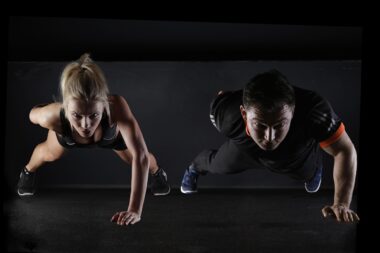
Finally, remember that recovery is an essential aspect of any training program. After performing glute bridges, consider including some stretches targeting the hip flexors and glutes themselves to promote flexibility. Incorporating dynamic stretches before performing glute bridges can also prepare your muscles for activation. Such warm-ups can improve circulation, aiding in the quality of the workout you’re about to undertake. Having a balanced fitness routine that includes a variety of exercises targeting the lower body is beneficial. Including strength, flexibility, and stability exercises ensures comprehensive glute development. This approach not only makes workouts more enjoyable but also reduces the risk of overuse injuries. Partner exercises and variations can further enhance effectiveness and keep your routine fresh. Remember to listen to your body, and avoid pushing through discomfort. Gradually increase repetitions and resistance, leading to sustainable results. Consistency over time will yield the best improvements and transitions in your training. Therefore, embrace glute bridges into your workout regimen and watch as your strength and stabilization progress.
Conclusion
In conclusion, mastering the glute bridge serves a foundational role in any workout regime aimed at bodyweight exercises and glute activation. This exercise not only targets essential muscle groups but also enhances overall body stability, posture, and athletic performance. By consistently incorporating glute bridges while avoiding common mistakes, you can achieve significant benefits in both strength and endurance. This exercise is easily accessible, requiring no special equipment, making it convenient for anyone to practice. What sets the glute bridge apart is its versatility; adaptations can cater to various fitness levels, allowing for continued progression as your strength develops. Regular engagement of the glutes is critical for reducing injury risks and enhancing functional movement. The physical advantages extend into mental benefits, fostering motivation and enhancing body awareness during workouts. To fully appreciate the glute bridge’s impact, maintain a consistent routine, gradually increasing repetitions and resistance when feasible. Incorporating stretching and flexibility work will also promote recovery and overall muscle health. Ultimately, with dedication and the right approach, the glute bridge can be transformative, we encouraging growth and strength in your fitness journey.