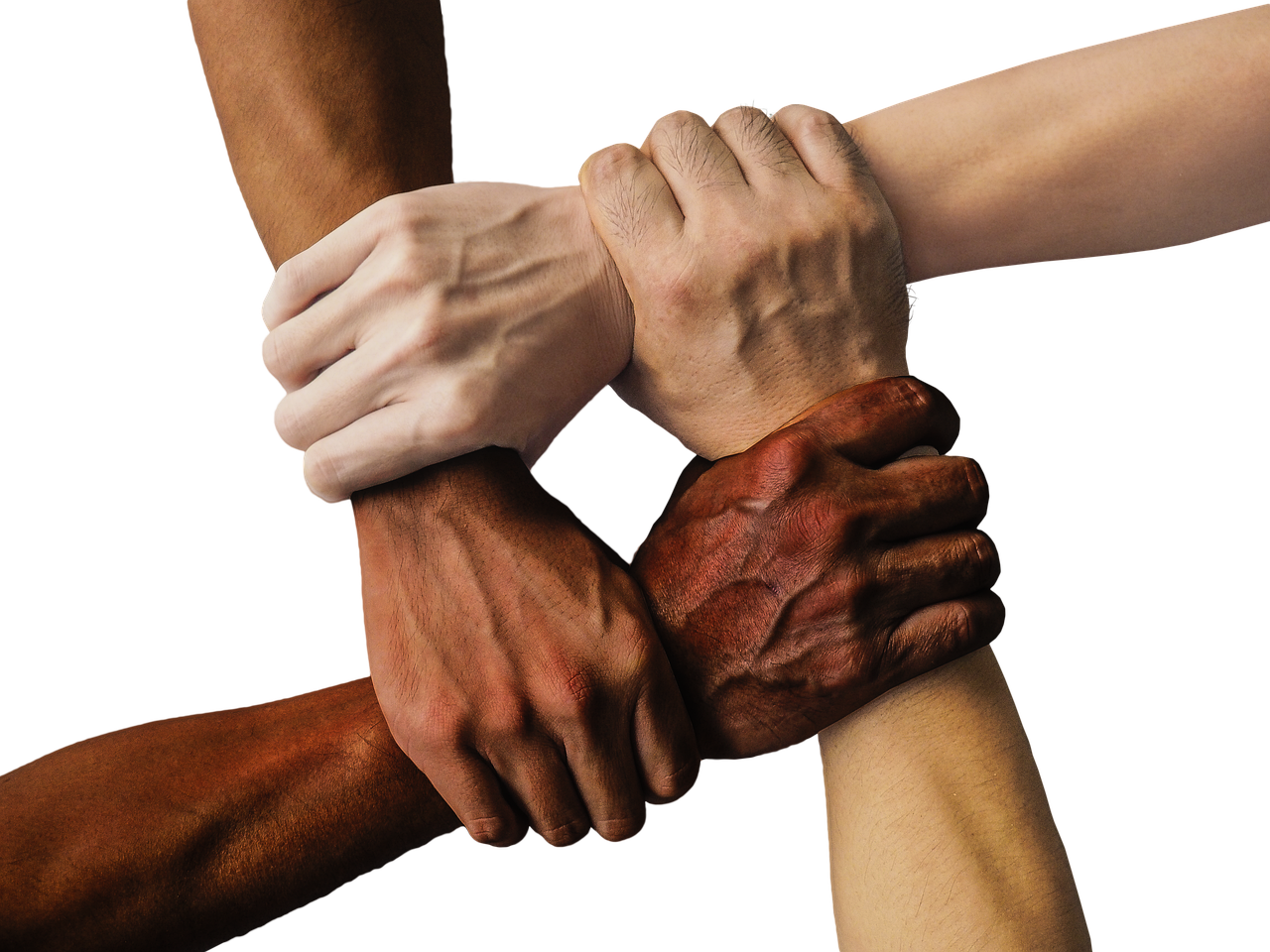

Overcoming Injuries Together: Stories of Support in Running Communities
The bond that forms within running communities is truly remarkable. Individuals who initially start running alone often discover friendships in unexpected places. A common thread that unites these passionate runners is their experiences with injuries. Support systems emerge organically as runners share advice on rehabilitation and recovery methods, showcasing the inherent empathy within these groups. From running clubs to local races, community members motivate each other during tough practices, fostering resilience. They share tips for coping with stress, ensuring that no runner feels isolated when dealing with an injury. This solidarity is particularly comforting during trying times when motivation dips. Listening to stories of others who have overcome similar obstacles can spark hope and inspire action. Training together helps to build not only physical stamina but also emotional resilience. Running groups often organize rehabilitation sessions, inviting professionals to share insights on injury prevention and care as well. This collective knowledge ensures runners are equipped to tackle challenges head-on while promoting healthy lifestyles. Ultimately, these connections help individuals realize they are not alone on their journey, fostering a nurturing environment to heal and grow.
As sharing experiences becomes a natural part of running communities, many find camaraderie in recovery journeys. It is common to meet fellow runners who have faced setbacks due to injuries but have successfully bounced back. This spirit of resilience empowers individuals to seek help from one another, forging deeper bonds. Through shared stories, members learn about personal struggles and celebrate victories together. Such collective experiences can range from minor tweaks to severe injuries requiring extensive recovery. The emotional narratives surrounding these challenges often become a source of inspiration for others. Support also comes in the form of organized group runs designed specifically for rehabilitation purposes. These gatherings serve as safe spaces where runners can test the waters post-injury, providing motivation to take the first steps again. Runners often share information on treats or recovery aids that help them maintain their physical health. Engaging in discussions on topics such as mental strategies helps build a foundation where runners nurture both mind and body. The transformation from feeling isolated to becoming part of a supportive network fosters a sense of belonging vital for overcoming challenges in running and beyond.
Embedded within the journey of recovery is the power of accountability. When dealing with injuries, having a support system significantly increases the likelihood of adhering to rehabilitation plans. Group runs structured around gentle pacing allow injured runners to remain engaged without exacerbating their conditions. Along the way, emotional encouragement plays a key role, with peers offering words of wisdom and support. This accountability ensures individuals follow through with prescribed activities and maintain a positive attitude about their recovery. Trusting the community to understand the difficulties of an injury helps shift focus from pain to progress. Stories of determination shared among group members can serve as critical motivators. Furthermore, the diversity found within running groups leads to a wealth of knowledge regarding specific injuries and effective recovery strategies. Engaging in discussions surrounding their own rehabilitation journeys builds a library of insights beneficial for everyone involved. Runners build confidence through a shared determination, encouraging each other to keep striving. Ultimately, the experience of overcoming setbacks together binds them, establishing a foundation for lasting friendships and supportive networks that extend beyond running.
The Role of Events in Fostering Support
Events play a pivotal role in enhancing bonds within running communities. They serve as platforms for sharing not just triumphs but also setbacks, creating an environment of collective strength. Races often include categories for walkers and those recovering from injuries, helping to include members of all capabilities. Being part of such events fosters a sense of belonging, encouraging runners to push their limits while knowing their population gets the experience. Various workshops offering guidance on injury management underscore how deeply committed these communities are to growth and healing. The joy of setting a new personal record is shared not just by individual accomplishment but rather the combined effort of a group. Additionally, community runs feature discussions where personal stories surface, contributing to shared learning and support. By participating actively, members reassure each other that the road to recovery is meaningful, transforming narratives into epic tales. Many runners find it encouraging when disruptors, like injuries, remind them of the resilience present within their community. These events become milestones, marking both shared struggles and victories along their journeys to recovery, promoting a collective evolution.
The impact of digital connections cannot be underestimated in today’s society. Online running communities have blossomed, connecting individuals who may not otherwise meet due to geographical barriers. Social media platforms serve as effective tools for sharing stories of injury recovery, providing virtual support that transcends physical distances. Runners, whether near or far, engage in dialogues that can help alleviate feelings of solitude during tough moments. Regular updates about progress inspire others to pursue their own healing journeys. This flow of information reinforces the idea that no one navigates these challenges independently. Members can attend live virtual sessions hosted by experts offering strategies to overcome injuries while receiving continuous encouragement from their peers. Dedicated hashtags for injury recovery unite diverse participants, allowing them to exchange experiences with those on similar paths. Digital forums host a treasure trove of tips, tricks, and encouragement crucial for holistic healing. Websites and blogs further amplify voices of community members who share personal narratives shaping larger conversations around injury recovery. This connection also provides invaluable resources for emotional support, essential for runners on their quest for comeback.
Engagement with local healthcare professionals solidifies the relationship between runners and their communities. Workshops frequently organized within running groups or events allow for direct interactions with physiotherapists, nutritionists, and other experts. Through these engagements, runners access critical advice on how to manage or prevent injuries effectively. Sharing knowledge empowers community members to be proactive in their approach to health. Observing professionals in a familiar environment breaks down barriers and fosters a trusting dynamic between runners and healthcare providers. Runners often report feeling more confident when addressing concerns with experts familiar with their journey. Incorporating strategies from health professionals transforms the community into informed advocates for injury prevention. Understanding biomechanics or proper nutrition empowers runners to take control of their fitness journey. Moreover, workshops serve as platforms for gaining insights directly relevant to specific community needs, allowing for tailored strategies towards injury prevention. Overall, these interactions cultivate a proactive stance towards health and wellness, enhancing the community’s ability to support one another through recovery. This multifaceted support network effectively contributes to long-term recovery solutions for injuries.
Through shared experiences, unity emerges among participants, reinforcing the notion that they are not in this alone. Countless stories echo the journey of overcoming injuries with the support of community members consistently pouring encouraging messages into feeds. As each group member achieves milestones, the spirit of collective accomplishment rises. This sense of unity leads to the creation of traditions and events that celebrate resilience as a common goal. Periodic gatherings celebrating fitness journeys alongside achievements significantly impact everyone involved. Associations often arise around specific challenges faced by members, spawning new initiatives that continue to nurture connections. With numerous runners having their own interpretation of success, embracing diversity plays a fundamental role in creating an inclusive culture. As runners inspire one another and share personal experiences, collaborative strength forms an emotional bond. Providing encouragement through voice messages or social media posts represents another vital connection point. Runners recognize their shared goals transform the hardships they face into collective growth. Continued commitment to lifting one another helps develop a robust network capable of supporting every aspect of their journeys. This collective endeavor ensures that every injury remains a chapter of shared strength and resilience.
In conclusion, the immense power of support within running communities transforms individual struggles into shared victories. Each story, whether of healing or overcoming obstacles, contributes to a larger narrative of resilience. The journey of dealing with injuries becomes less arduous when traversed with others who understand firsthand the challenges. There is profound strength in collective perseverance as members unite to motivate one another towards recovery. Whether fostering hands-on encouragement during group runs or sharing insights through online platforms, the spirit of support extends in varied forms. Engaging in community events motivates runners to continue pushing forward while celebrating achievements together, reinforcing the bonds further. This sense of belonging is instrumental in nurturing emotional health, reminding individuals they are never alone. The ongoing relationships cultivated within these communities play a crucial role in the overall health of its members. Ultimately, these narratives of camaraderie evolve into lasting friendships that surpass the physicality of running. Embracing triumphs and setbacks, the community becomes a source of hope and resilience, reflecting the strength of every individual on their unique path. Together, they prove that overcoming injuries is indeed possible, celebrated through stories shared.