
The Science Behind Exercise and Confidence in Children
Understanding the relationship between exercise and confidence in children is crucial for their development. When children engage in physical activities, they not only improve their physical health but also their mental well-being. Exercise releases endorphins, which are hormones that contribute to feelings of happiness and euphoria. This release can enhance a child’s mood, making them feel more confident overall. Furthermore, participating in physical activities helps children develop social skills. During group exercises or sports, they learn teamwork, cooperation, and communication, all of which are enormous confidence boosters. Setting small achievable goals in fitness can lead to significant progress over time. As children experience these achievements, they may develop a sense of competence and mastery, reinforcing their self-esteem. Additionally, the physical challenges faced in sports or fitness regimes teach resilience, which is essential in overcoming obstacles in life. Therefore, incorporating regular exercise into a child’s routine not only promotes a healthy lifestyle but nurtures confidence, ultimately shaping them into confident young individuals.
Physical Activity as a Confidence Builder
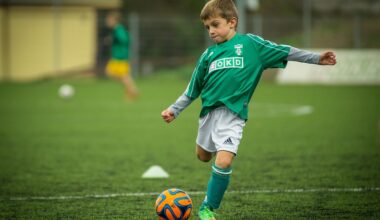
Physical activity serves as a powerful tool in building confidence among children. Engaging in regular exercise can significantly improve self-esteem and self-worth. When children set fitness goals and achieve them, they develop a sense of accomplishment that directly impacts their confidence levels. Activities such as martial arts or gymnastics require discipline and effort, teaching children to push their limits and strive for improvement. As their skills sharpen, so does their belief in their abilities. Furthermore, overcoming physical challenges can help children tackle non-physical challenges with greater confidence. Exercising with peers fosters a supportive environment where children can uplift each other. This social interaction encourages positive reinforcement, making them feel valued and accepted. Team sports like soccer or basketball not only improve fitness levels but also develop leadership skills and friendships, further nurturing confidence. A consistent routine of engaging in physical activity helps instill a positive self-image. Through fun and engaging exercises, children learn to appreciate their abilities, nurturing a mindset focused on growth, resilience, and an overall positive approach to obstacles in life.
In addition to physical fitness, mental health is equally important in the confidence-building process. Exercise can reduce anxiety and depression in children. With regular physical activity, they may feel a reduction in stress, helping them face various aspects of life with greater assurance. The interplay between physical well-being and mental clarity enhances their confidence levels significantly. Participating in structured physical activities provides children with a sense of belonging, fostering deeper connections with their peers. These shared experiences can create lasting friendships and a supportive network, crucial for emotional well-being. Schools promoting physical fitness as part of their curriculum contribute to a positive school culture and help students forge connections. These interactions create a safe environment where students can share their successes and struggles, enhancing their self-worth. Additionally, physical activity helps children develop problem-solving skills as they devise strategies in team sports or individual challenges, boosting their cognitive abilities. This cognitive development, combined with physical skills, enhances their perception of self-efficacy, leading to increased confidence across various life areas.
Creating a Supportive Environment
Building confidence through fitness requires a supportive environment for children. Parents, coaches, and teachers play a significant role in fostering this atmosphere. They should encourage participation in physical activities while providing positive feedback. Praise for efforts, regardless of the outcome, allows children to focus on their progress instead of just results. This constructive approach helps them feel appreciated and valued, essential for confidence development. Moreover, it’s crucial to select age-appropriate activities that engage children and cater to their interests. An environment promoting exploration and experimentation enables children to discover what they enjoy, fostering a sense of autonomy and choice. Allowing them to try different types of fitness can help them find their passion. Furthermore, minimizing competition and comparisons in physical activities encourages children to focus on personal growth rather than competing against peers. Parents can engage alongside their children in fitness-related activities, such as hiking, biking, or playing sports, strengthening bonds and increasing motivation. Ultimately, a supportive and encouraging environment allows children to reap the benefits of fitness, paving the way for enhanced confidence as they grow.
The importance of role models cannot be underestimated in children’s fitness journeys. Adults who lead active lifestyles can inspire and influence children to embrace fitness. Sharing personal fitness stories and experiences can motivate children to set their own fitness goals. Encouraging children to participate alongside role models helps establish a familiar connection, enhancing their confidence through shared experiences. Community initiatives that promote active lifestyles among children can also play a significant role. Programs offering free or affordable sports and fitness opportunities create inclusive situations that allow children from various backgrounds to participate. This exposure to diverse activities promotes engagement and friendships, further strengthening their confidence. Moreover, schools can support these initiatives by integrating fitness programs into their curricula. By actively promoting physical education, they can shape children’s attitudes towards fitness positively. Engaging students in decision-making regarding their fitness activities fosters ownership and accountability. When children take ownership of their fitness journeys, they are more likely to remain committed. As they persist in their efforts, they continue to build self-esteem through physical challenges, establishing a strong foundation for lifelong confidence.
The Role of Consistency
Consistency in physical activity plays a vital role in building lasting confidence among children. Establishing regular exercise routines creates a sense of discipline and commitment. Children who consistently participate in fitness activities often notice improvement in their skills and abilities. These noticeable progressions reinforce their self-confidence and self-worth. Moreover, consistency cultivates a habit, making exercise a natural part of their daily lives. Children learn to appreciate the process of growth through regular practice, understanding that setbacks and progress are normal. Instilling this mindset enables them to tackle challenges both in fitness and everyday life more effectively. Additionally, safeguarding children’s mental health through consistent exercise allows them to manage stress and anxiety better. Regular physical activity equips them with tools to handle emotions positively, promoting resilience. Parents and caregivers should encourage children to engage in fitness activities that spark joy, making it easier for them to maintain consistency. Incorporating fun elements in workouts can enhance engagement and willingness. Through such playful approaches, children develop not only physical skills but also resilience and confidence, creating a brighter outlook as they embark on various life endeavors.
As children grow, the foundation built through fitness is vital for facing future challenges. The lessons learned through physical activities extend well beyond fitness, impacting their academic and social lives profoundly. Children develop problem-solving skills, critical thinking, and goal-setting habits that play a significant part in their everyday interactions. They learn to manage both victories and defeats, fostering emotional intelligence and adaptability. These skills are essential as they navigate the complexities of adolescence and beyond. Moreover, fostering a healthy relationship with fitness builds a lifelong commitment to health and wellness. As they transition from childhood to adulthood, children with a strong fitness foundation are more likely to pursue active lifestyles. This focus on fitness can also lead to better physical health and self-care practices in adulthood. Encouraging children to view exercise as a positive and fulfilling experience lays the groundwork for a balanced and healthy life. Furthermore, instilling these values cultivates a generation of self-confident individuals ready to face challenges head-on. The journey to build confidence through fitness is continuous and incredibly enriching, proving invaluable for children’s personal development.
Conclusion
In conclusion, integrating fitness into a child’s routine offers immense benefits that extend far beyond physical health. Confidence through fitness promotes resilience, helps develop essential life skills, and fosters strong connections with peers. The importance of support and encouragement from adults cannot be overstated, as they play a vital role in a child’s fitness journey. Creating an environment that values and celebrates perseverance rather than just outcomes nurtures a child’s self-esteem. Educators, parents, and communities must collaborate to provide opportunities for children to engage in physical activities consistently. By doing so, we empower the next generation to embrace healthy habits, self-acceptance, and confidence. The positive impact of fitness on self-worth cannot be ignored, as it lays the groundwork for a fulfilling life. As children continue to develop their fitness journey, they learn to celebrate their progress. Rewards and recognition should focus on effort, improvement, and personal milestones. With this emphasis, children grow to appreciate the importance of persistence, ultimately shaping their self-identity. The journey of building confidence through fitness is essential for nurturing confident, well-rounded individuals ready to take on life’s challenges and opportunities.