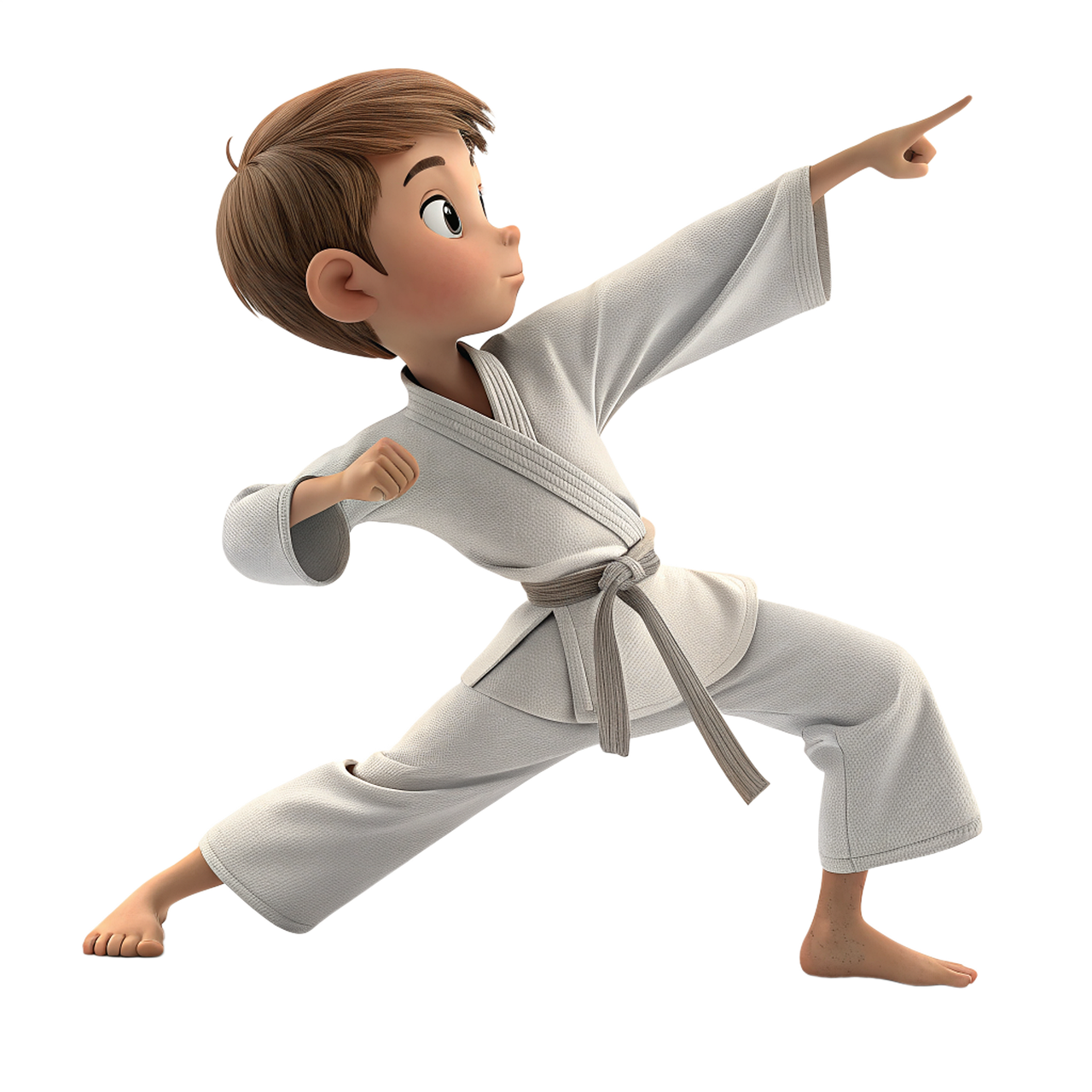

Using AI in Martial Arts Fitness Applications
The integration of artificial intelligence, or AI, has revolutionized numerous industries, and the fitness sector, particularly martial arts fitness apps, is no exception. These applications leverage AI to enhance the user experience, offering personalized training plans tailored to individual needs. By analyzing user data and performance metrics, AI algorithms can create customized regimens that cater to various skill levels. This personalization keeps users engaged and motivated, essential aspects of long-term fitness success. Moreover, AI-powered fitness apps often incorporate features such as virtual coaching, which provides real-time feedback on technique and performance. With detailed analytics, users can identify strengths and weaknesses, allowing for a more focused training approach. By providing insights into progress over time, users can adjust their workouts, leading to improved outcomes. Also, the ability of AI to adapt plans based on ongoing assessments aids in preventing injuries by ensuring workouts remain within safe limits. Thus, the combination of technology and traditional training techniques becomes a powerful tool for practitioners looking to elevate their martial arts skills to new heights.
One of the most appealing aspects of AI in martial arts fitness apps is the gamification of training routines. By integrating game-like elements, such as rewards and challenges, users become more motivated to complete their workouts. This sense of achievement and progress can significantly enhance user satisfaction. Features like leaderboards, badges, and virtual communities connect users with peers, creating a support system that fosters accountability and encouragement. This interactive dynamic enriches the training experience, making it less monotonous and more enjoyable. AI technology analyzes competition patterns and suggests tailored challenges, keeping the experience fresh and engaging. Additionally, social sharing options allow users to showcase their accomplishments on various platforms. This connects them with a broader audience, motivating further participation in martial arts training and fitness challenges. In essence, AI not only assists in personalizing workouts but also creates an engaging environment. The fusion of technology and physical activity promotes community building, ensuring that users remain committed to their objectives. As such, martial arts fitness apps continue to evolve, making the integration of AI a crucial aspect of their design and functionality.
Improved Safety and Technique
AI-powered martial arts fitness apps significantly enhance user safety during training. By monitoring users’ movements and patterns, AI can identify potentially dangerous techniques or overexertion. This function helps reduce the risk of injury, promoting a safer training environment. For martial arts enthusiasts, maintaining proper form is vital, and AI assists users in mastering techniques effectively. Through advanced algorithms, these apps provide real-time feedback on movements, suggesting adjustments to improve accuracy and efficiency. By analyzing data collected during practices, users can visualize their progress and make necessary modifications, further ensuring their safety. This proactive approach encourages correct practices, allowing users to engage in physically demanding exercises without the same risk of injury. Additionally, as the app learns from a user’s behaviors, it can tailor recommendations to avoid strain and injury. Users can rest assured that their training remains productive and safe. The fusion of AI technology into martial arts fitness apps transforms how practitioners train, focusing on safety, technique improvement, and injury prevention without compromising on the training intensity.
The accessibility of AI-driven martial arts fitness apps is another significant advantage. These applications enable individuals from various backgrounds and fitness levels to engage in martial arts training. Regardless of whether you are a beginner or an advanced practitioner, AI can tailor workouts that align with your abilities and goals. This broadens the appeal of martial arts, making the training accessible to those who might not have considered practicing it otherwise. Furthermore, AI apps break geographical barriers by providing access to world-class training resources through technological platforms. Aspiring martial artists can learn from experts via online tutorials and instructional content available in-app. Also, incorporating AI provides users with flexibility regarding where and when to train. They can engage in workouts from home or at the gym without requiring a personal instructor. Thus, the convenience offered by AI in martial arts training is revolutionary. As these applications evolve, they allow individuals to pursue their martial arts journeys on their terms, ensuring that fitness remains inclusive and fun for everyone interested in martial arts.
Data-Driven Progress Tracking
The data collection capabilities of AI in martial arts fitness applications provide users with an unprecedented level of insight into their training progress. These apps can track various metrics, including heart rate, calories burned, and technique accuracy, offering detailed reports that help users understand their improvements. The ability to visualize progress through graphs and statistics fosters motivation and accountability. Users can set specific targets and monitor their advancement, adjusting their training regimens based on this feedback. Moreover, AI can identify patterns in performance data, suggesting when to increase the intensity of workouts or when to allow for recovery days. This level of customization helps users maximize their training effectiveness while minimizing the risk of burnout. Additionally, users can receive reminders for workouts and recovery, reinforcing the importance of maintaining a balanced routine. By utilizing data analytics, martial arts fitness apps ensure that a systematic approach to training is adopted. Ultimately, the implementation of AI enhances adherence to training regimes, ensuring users stay committed to their goals and consistently improve over time.
Integrating social elements is another innovative feature of AI in martial arts fitness applications. Social engagement plays a crucial role in motivating individuals to continue training. AI enhances this aspect by connecting users to local clubs, instructors, and fellow practitioners within their vicinity. Through community features, users can share accomplishments, techniques, and training experiences, fostering a sense of belonging and collective growth. This peer support encourages an environment where users can challenge one another, increasing overall engagement and interest in martial arts. Furthermore, the integration of virtual competition modes allows users to participate in challenges with peers globally. Such competitions can add an exciting layer of engagement, enticing users to refine their skills while having fun. AI’s ability to create personalized social experiences enables each user to foster their unique journey tailored to their interests. With social connectivity built into martial arts fitness apps, users can enjoy dual benefits: engaging in productive workouts while also cultivating camaraderie and relationships within the martial arts community.
The Future of Martial Arts Fitness Apps
The future of martial arts fitness applications looks promising with the continued advancements in AI technology. As developers explore new functionalities, these apps will likely become even more intuitive, adapting seamlessly to users’ evolving needs. Possible enhancements include augmented reality or virtual reality features that place users in immersive training environments, allowing for more realistic simulations of martial arts techniques. AI integration will facilitate personalized training sessions with virtual coaches, offering step-by-step guidance on complex maneuvers and techniques. These developments will enhance the learning experience for both novices and seasoned practitioners. Additionally, the potential for AI to analyze video footage of users’ performances could provide invaluable feedback on technique and form. Users will benefit from AI-driven insights on how to improve, rapidly speeding up skill acquisition. As these smartphone applications continue to evolve, they will ensure that martial arts training remains modern, accessible, and effective for everyone. The ongoing reliance on AI technology promises to reimagine the traditional martial arts training landscape, cultivating an environment where mastery becomes attainable for all.
In conclusion, the integration of AI into martial arts fitness applications signifies a remarkable transformation in how practitioners engage with their training. From personalized regimens to safety features, these apps harness the power of technology to enhance the training experience. By fostering motivation through gamification, tracking progress meticulously, and creating social connections, AI transforms the martial arts landscape. The future appears bright, with continued innovations set to bridge the gap between physical training and digital solutions, making martial arts accessible to diverse audiences worldwide. Importantly, as AI continues yielding substantial advances in technology, there will be ongoing opportunities for martial artists to enhance their skills and abilities. This dynamic relationship between practitioners and martial arts apps ensures that fitness enthusiasts remain connected to the art and its community. The apps not only serve as tools but also as companions in the journey towards mastering martial arts. Overall, the fusion of tradition and technology, led by AI, will shape the future of martial arts training for years to come, making it an exciting time for both seasoned practitioners and newcomers alike.