
Gait Training in Parkinson’s Disease Management
Parkinson’s disease significantly affects mobility and can create challenges in gait. Gait training is essential in managing these effects, aiming to enhance both balance and walking efficiency. Individuals with Parkinson’s often experience shuffling, slowed movements, and festination, which complicate walking patterns. Rehabilitation through gait training aims to alleviate these issues by incorporating specialized exercises designed to improve strength, flexibility, and coordination. Effectively tailored gait training interventions can promote independence, reduce fall risks, and enhance the overall quality of life. Successful gait training programs generally include both therapeutic exercises and functional activities. It is vital to collaborate with healthcare professionals such as physical therapists to create personalized rehabilitation programs. When executed properly, gait training leads to measurable improvements in patients’ walking abilities and confidence, suggesting that consistent practice yields better outcomes. The inclusion of assistive devices may also support gait training efforts, allowing individuals to master safer and more effective walking patterns. Furthermore, an interdisciplinary approach, involving occupational therapists and neurologists, may foster comprehensive management of Parkinson’s disease, facilitating optimal patient outcomes in gait training.
Benefits of Gait Training for Parkinson’s Patients
Engaging in gait training holds numerous benefits for individuals affected by Parkinson’s disease. First and foremost, it contributes to enhanced mobility, which directly impacts independence. Patients may feel more confident in walking without assistance, leading to increased participation in daily activities. Gait training also targets specific aspects of gait abnormalities, helping to improve stride length and walking speed. This form of rehabilitation can significantly mitigate the fear of falling, thereby addressing psychological barriers associated with mobility challenges. Additionally, studies have shown that regular gait exercises can improve balance and coordination, as these skills are critical for reducing falls in a Parkinson’s population. Incorporating rhythm and music into gait training can further enhance outcomes, promoting optimal rhythm and movement initiation. Research suggests that dual-tasking—performing cognitive tasks while walking—should be practiced to improve dynamic stability. As gait training becomes routine, physical fitness levels may also improve. Greater physical fitness can lead to reduced fatigue, better stamina, and overall health benefits, emphasizing the indispensable role of gait training within multi-faceted Parkinson’s disease management.
While various forms of rehabilitation exist, gait training is often characterized by targeted interventions that address specific gait parameters. Tools such as treadmills, balance boards, and resistance bands can be integrated into gait training routines to provide a comprehensive approach tailored to individual needs. Furthermore, the supportive role of technology in therapy cannot be overlooked; virtual reality and mobile applications are enhancing gait training experiences by offering interactive and engaging activities. Incorporating technology helps maintain patient motivation and engagement during sessions, which is a vital component of successful rehabilitation. Regularly updated training plans focusing on progressive challenges are recommended for optimal outcomes in gait training programs. Additionally, reviewing sound principles of biomechanics can aid therapists in developing strategies to improve patients’ gait mechanics, ultimately enabling them to perform better with lower energy expenditure. Feedback mechanisms during training, such as auditory or visual cues, can assist in correcting patients’ gait patterns. With continued research in gait training practices, health professionals can refine techniques to facilitate greater efficiency and effectiveness in the rehabilitation process for Parkinson’s disease.
Guidelines for Effective Gait Training
When implementing gait training programs for patients with Parkinson’s, there are essential guidelines to consider. Always begin with a thorough assessment of the patient’s specific gait problems and their overall physical health status. This will help create a tailored program that meets the individual’s needs. Build programs gradually, increasing the intensity and complexity based on patient progress, ensuring that each session is safe and effective. Employ a variety of training methods to address different aspects of gait; for instance, combining strength training, balance exercises, and mobility drills can yield promising results. It’s also crucial to incorporate functional tasks such as walking over obstacles or negotiating changes in elevation within gait training. Additionally, encouraging social engagement, whether through group activities or supportive family involvement, can further enhance motivation and success. Regularly tracking progress allows for necessary adjustments to be made, ensuring the training remains effective. Educating patients about the importance of consistency is vital because regular practice is essential for improvement. This structured approach can empower patients while contributing to overall rehabilitation in Parkinson’s disease management.
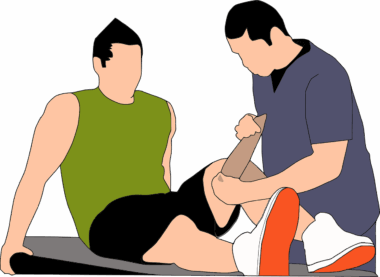
The role of physical therapists in gait training is indispensable. Therapists are responsible for not only setting up individualized programs but also providing explicit guidance and feedback during sessions. This hands-on support can reinforce proper techniques, thus optimizing patient performance. Through their expertise, therapists can identify specific balance impairments, guiding targeted exercises to address these deficiencies. Collaboration among healthcare professionals is also crucial in providing a holistic approach to rehabilitation. Beyond physical therapists, neurologists, occupational therapists, and speech therapists can all contribute unique insights to improve overall patient outcomes. Regular team meetings can ensure that everyone’s perspective is incorporated, thereby allowing gait training to be part of a more extensive, patient-centered rehabilitation plan. Continuous professional education for therapists ensures they remain current with best practices and research findings, which ultimately benefits their patients. Patient empowerment through education is also key; equipping individuals with insights into their condition fosters independence and promotes adherence to exercises. Overall, integrated care in gait training offers comprehensive support, enhancing the rehabilitation experience and outcomes for those dealing with Parkinson’s disease.
Long-term Impact and Future Directions
As we look at the long-term impact of gait training within Parkinson’s disease management, the evidence points toward numerous potential benefits. Enhanced mobility can lead to improved mental health, as patients can participate more fully in social and recreational activities. This not only combats isolation often experienced by individuals with Parkinson’s but also promotes a greater quality of life. Future research may focus on evaluating the longevity of gait training benefits; following up with patients over extended periods can illuminate how maintained interventions influence mobility. The integration of advanced technology in gait training, such as robotic-assisted therapy and real-time gait analysis, will likely become more prevalent. Personalization of interventions through burgeoning artificial intelligence technologies may optimize training effectiveness, catering to the specific challenges faced by individuals. Future studies could explore the psychological components of gait training programs, assessing how motivation and confidence are boosted. Additionally, the role of caregivers in supporting gait training cannot be overstated; training programs that include caregiver education may further optimize patient adherence and success. Overall, continued progress in gait training interventions will hopefully shape a robust framework for Parkinson’s disease management.
In conclusion, gait training represents a crucial component in the comprehensive management of Parkinson’s disease. Fostering independence, enhancing mobility, and improving quality of life are primary objectives. A harmonious blend of various therapeutic techniques, assistive devices, and technological advancements significantly reinforces the potential benefits. Collaboration among interdisciplinary teams is essential, enabling a tailor-made approach for each patient. Regular practice, combined with continuous assessment and modification of programs, allows for a deeper understanding of patient needs. The positive outcomes connected to gait training extend beyond just physical barriers; engaging patients emotionally and psychologically is equally vital. As future research expands our knowledge of effective practices, it will likely yield richer insights into long-term impacts and evolving methodologies. Support from families and communities can strengthen the motivation necessary for patients to engage actively. Keeping abreast of innovations in rehabilitation can further enhance the efficacy of gait training. Ultimately, the integration of gait training into Parkinson’s management presents a promising avenue for improving health outcomes and enriching the lives of those impacted by this challenging condition.