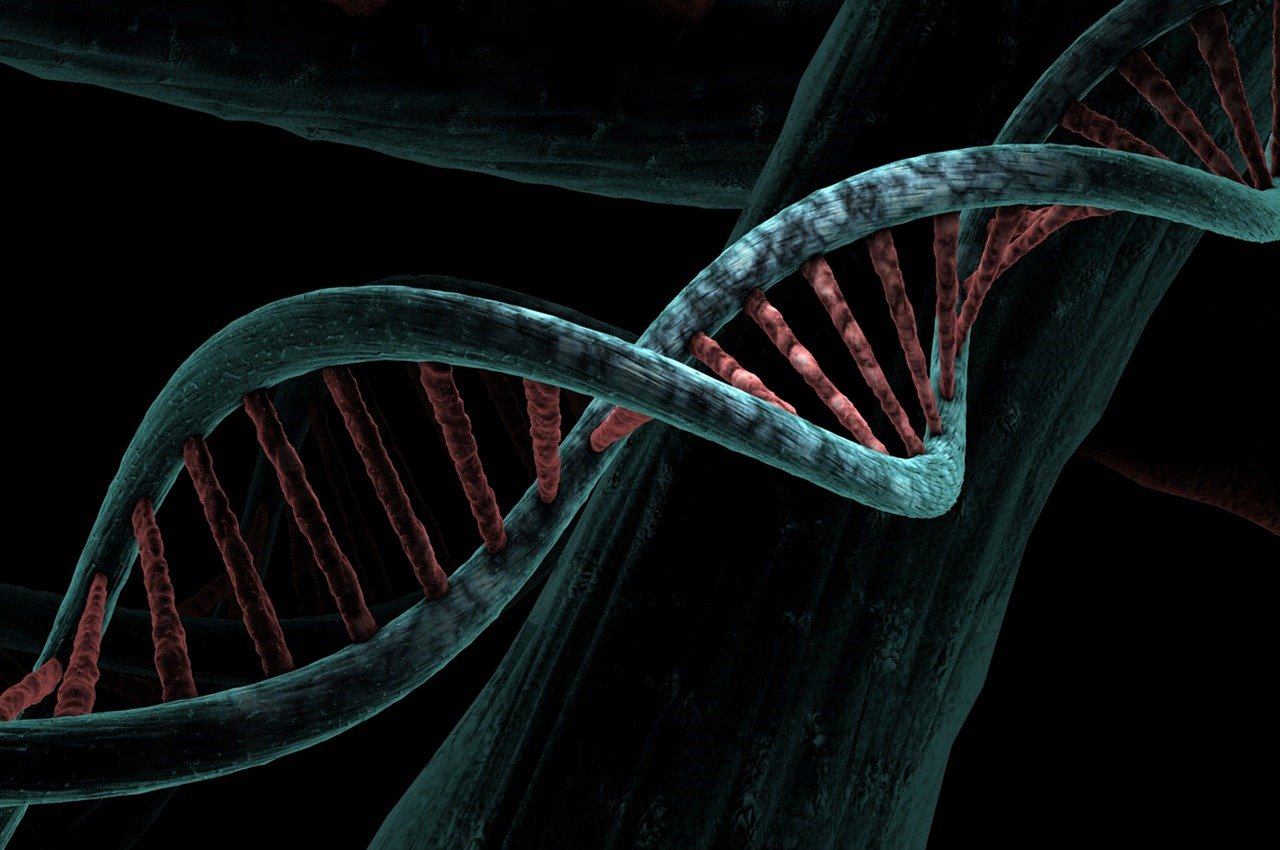

Personalizing Endurance Training Based on Genetics
The journey to becoming a successful marathon runner is intricate, shaped significantly by genetics. Genetic profiling has become a pivotal approach to enhance athletic performance. Understanding genetic predispositions can inform training regimens tailored to individual strengths and weaknesses. For instance, some runners might have genetic advantages leading to higher endurance, which could influence their capacity to log long miles effectively. Personalized endurance training should consider these genetic insights to optimize results and minimize injuries. A well-crafted program acknowledges variations in muscle fiber composition, metabolic responses, and recovery rates influenced by genetics. Ultimately, this customization builds a stronger foundation for marathon training. Thus, utilizing genetic testing unlocks pathways for personalized training approaches that resonate with each runner’s unique biological makeup. Athletes can align their training with their natural predispositions, focusing on the most effective strategies for their bodies and abilities. The emphasis on tailoring training to genetic profiles fosters a smarter, more efficient way to approach marathon running. Therefore, both novice and seasoned runners can benefit from understanding their genetic framework as they embark on their marathon journey.
Training for endurance requires much more than just long runs. It necessitates an understanding of the complex interplay between genetics and performance. Specific genetic markers can indicate a higher likelihood of success in endurance sports, such as marathon running. These markers influence various physiological traits, including VO2 max, lactate threshold, and energy utilization strategies. Therefore, evaluating genetic makeup can provide insights into the optimal training volume, intensity, and recovery strategies. Personalized training programs can guide runners in focusing on their strengths while addressing genetic weaknesses effectively. For example, some runners may excel in aerobic endurance while struggling with recovery, necessitating tailored rest and nutrition plans. Effective endurance training accounts for these variances by leveraging genetic insights to shape workouts. Runners can maximize their training efficiencies by recognizing these predispositions. Furthermore, identifying potential injury risks based on genetic factors can help in crafting safer training routines. This preventative approach minimizes setbacks and further facilitates consistent progress. Ultimately, personalized endurance training, grounded in genetics, leads to a smarter, more efficient marathon preparation that fosters success.
The Role of Genetic Testing in Training
Integrating genetic testing into the training regime can revolutionize how runners prepare for marathons. Genetic tests provide valuable data that assists athletes and coaches in making informed decisions. Specific tests can reveal a runner’s ability to recover, adapt to stress, and respond to various training stimuli. Armed with this knowledge, runners can customize their training plans to align with their unique genetic predispositions. For example, those with genes associated with enhanced recovery can benefit from intensive training programs, while others might require a more moderate approach. The critical aspect of genetic testing lies in its ability to guide not only the training intensity but also nutrition and recovery strategies. A tailored nutritional approach informed by genetics can significantly enhance performance, ensuring optimal fueling based on metabolic efficiency. Moreover, it can aid in developing hydration strategies that consider individual sweat rates and mineral loss. By accounting for these nuances, runners can fine-tune every detail of their preparation. This personalized approach empowers athletes to maximize their potential while minimizing risks, ultimately driving them towards marathon success.
Genetics also plays a crucial role in understanding fatigue resistance. Some athletes possess inherent traits that allow them to endure grueling training sessions with less fatigue compared to others. Recognizing these traits enables a nuanced approach to scheduling workouts and determining appropriate intensities. Personalized interval training, for example, can be adjusted according to individual power output and endurance levels derived from genetic insights. Runners with a greater predisposition towards endurance may engage in longer threshold workouts, while others might focus on maximizing repeated sprints for their respective capacities. Hence, crafting specific workouts that align with genetic strengths fosters improved performance and reduces risk of overtraining. Additionally, mental fortitude, which is crucial in marathon running, may also be influenced by genetic factors such as anxiety susceptibility and resilience levels. Acknowledging these aspects can help athletes incorporate mental training into their regimen, equipping them with strategies to handle race-day pressures. By considering both physiological and psychological genetic factors, runners can create an all-encompassing training strategy that enhances endurance while promoting mental toughness, essential for marathon success.
Nutritional Considerations Based on Genetics
Nutrition is a cornerstone of effective marathon training — personalizing nutrition strategies based on genetics can amplify performance. Genetic factors influence how athletes metabolize carbohydrates, fats, and proteins, all critical elements in an endurance runner’s diet. Identifying which macronutrients an athlete responds to best allows them to tailor their pre-race fueling and daily intake to enhance performance. For instance, some runners may find success with higher carbohydrate diets, supporting prolonged energy availability. In contrast, others may thrive on balanced or fat-adapted plans. Furthermore, genetic variations can dictate nutrient absorption efficiency — runners might need to adjust their intake of specific vitamins and minerals accordingly. Staying aware of how genetics affect dietary needs empowers runners to make informed choices regarding supplements, hydration, and overall wellness. Additionally, understanding genetic predispositions to certain deficiencies (such as iron or vitamin D) enhances overall health, critical for consistent training. By fine-tuning nutritional strategies intertwined with genetic insights, runners can pursue peak performance and healthy recovery. This holistic approach emphasizes the significance of nutrition as a crucial factor alongside tailored training in the journey of marathon running.
Endurance training is intrinsically linked to recovery, a crucial aspect often underestimated by runners. Genetic differences can significantly affect how athletes recover from intense workouts. Some may experience delayed onset muscle soreness, while others recover quickly. These genetic profiles can guide training, indicating optimal recovery protocols for maximum effectiveness. Recovery strategies include varying forms of rest, nutrition, and active recovery sessions tailored to the individual. A better understanding of genetic recovery patterns helps marathon runners avoid injuries and plan their weeks effectively. Moreover, incorporating advanced recovery techniques such as cryotherapy or compression garments may benefit those who take longer to recuperate. Such strategies promote better blood flow, reduce inflammation, and speed up muscle repair, essential components for marathon training. Additionally, genetic-driven hydration strategies help maintain optimal fluid balance during recovery after intense workouts. By leveraging genetic insights into recovery, runners will diminish fatigue, enhancing readiness for subsequent training efforts. Thus, focusing on recovery with a personalized lens allows marathon enthusiasts to train harder, smarter, and more effectively while promoting long-term health and performance.
Conclusion: The Future of Personalized Training
The future of endurance training lies in the effective integration of genetic insights. Personalizing marathon training based on an individual’s unique genetic make-up fosters a more strategic approach towards maximizing performance. Emphasizing the importance of tailoring training plans, nutrition, and recovery through genetic understanding profoundly impacts how athletes prepare for races. Moreover, as genetic testing becomes progressively accessible and affordable, athletes at all levels can benefit from advancements that enhance their training methodologies. Adopting a comprehensive perspective that encompasses physical and psychological factors ensures that runners are equipped with the tools necessary for success. Personalized training approaches based on genetics address personal strengths, weaknesses, and preferences, making running not just an endeavor of endurance, but one of informed strategy. Through greater awareness of how genetics influence training and performance, runners can make informed decisions that promote efficiency and success. Consequently, as we advance into a future marked by personalized training, athletes can embrace their unique genetic gifts, setting the stage for unprecedented achievements in marathon running. By prioritizing personalized approaches, the marathon running community can look forward to a new era of performance and health.
Furthermore, learning about your genetic profile encourages continuous learning about oneself. By recognizing how our bodies respond to various stimuli, including training workloads and recovery strategies, athletes cultivate a growth mindset that enhances their overall athletic journey. Embracing personalized training grounded in genetics not only optimizes performance but creates a deeper connection and awareness regarding physical capabilities and limitations. This thorough understanding facilitates a more holistic appreciation of the sport, enhancing mental resilience and fostering enjoyment throughout the training process. Lastly, as the running community prioritizes personalization and scientific insights derived from genetic traits, they also ignite a culture of innovation within the sport. Sharing experiences, results, and strategies empowers others to adopt best practices, building a supportive environment where runners can thrive. This collaborative approach encourages athletes to seek tailored training plans, valuable resources, and the latest advancements to optimize their marathon experience. As endurance sports continue to evolve, the focus on genetics will remain crucial in promoting the best possible outcomes, creating unique experiences that advocate for both enjoyment and performance in the realm of marathon running.