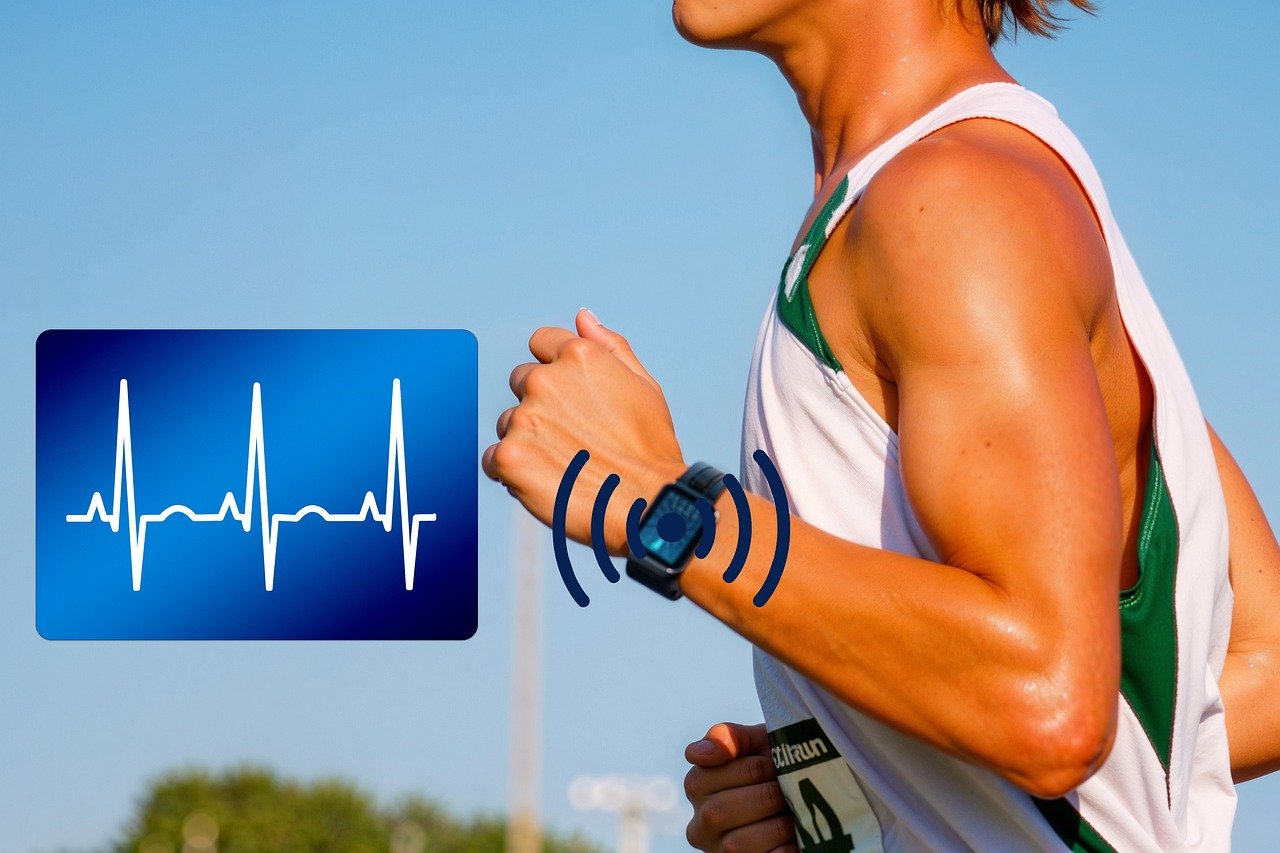

Wearable Tech Innovations in Monitoring Stress and Recovery
In recent years, wearable technology has revolutionized how individuals monitor not only physical activity but also stress and recovery levels. These advancements have been spurred by the growth in fitness data analytics, which enables more insightful interpretations of personal health data. By leveraging intricate algorithms and real-time tracking features, wearable devices collect data on heart rate, sleep patterns, and physiological responses, ultimately providing users with significant insights. This information aids in identifying trends and signals of heightened stress, allowing for timely interventions. Furthermore, devices such as smartwatches and fitness bands utilize biometric data and environmental factors to deliver personalized advice. These insights foster a holistic approach to fitness and wellness by combining exercise with mental health awareness. Users can now recognize when their bodies are under excessive strain and implement recovery strategies, such as engaging in relaxation techniques or adjusting workout intensity. Thus, wearable tech is not merely a fitness tracker but a comprehensive wellness companion that evolves with the users’ needs. As technology advances, the role of such devices in stress management and recovery will likely expand further, enhancing overall health outcomes.
The effectiveness of wearable technology in managing stress and recovery relies heavily on the profound analytics embedded within these devices. These analytics use machine learning algorithms to comprehend users’ unique patterns, allowing them to visualize their stress levels and recovery progress accurately. By adopting a data-driven approach, wearables like fitness trackers are now capable of offering customized feedback based on individual performance. For instance, a user undergoing high-stress challenges may receive alerts recommending brief breathwork exercises or quick physical activity breaks. Moreover, integrating these devices with mobile applications deepens user engagement, as individuals can monitor their mental and physical health on user-friendly platforms. Various applications are now designed to sync with wearables, providing a comprehensive view of well-being that encompasses both psychological and physiological insights. Users can set personalized alerts and reminders, thus fostering a proactive wellness culture. The symbiotic relationship between data analytics and wearable technology marks a significant advancement in health monitoring, proving to be an essential facet of fitness technology. This innovation invites individuals to take control of their stress management strategies and recovery practices, creating a well-rounded fitness regimen.
Data Insights and Health Improvements
Innovations in wearable technology have increased the accuracy of stress detection and recovery optimization. Advanced biometric sensors now track a plethora of data points, such as electrodermal activity, heart rate variability, and even skin temperature. Collectively, these metrics form a detailed picture of one’s physiological state. This data can be crucial for identifying moments of stress and tracking the body’s response over time. For example, wearables can indicate the effects of different stressors on heart rate patterns, helping users understand their triggers. Additionally, through regular monitoring, wearers can observe how recovery techniques influence their physical responses and adapt their methods accordingly. Coupled with machine learning, these insights can evolve, providing more tailored suggestions as the individual progresses. Many users have reported enhanced well-being as they develop better awareness of their stress responses and recovery practices. Ultimately, the ability to see connections between actions and body responses not only increases knowledge about fitness but also promotes mental health awareness. As a result, data insights drive meaningful improvements in individuals’ overall health journeys, enhancing both physical and mental performance.
Wearable technology is redefining recovery strategies in fitness through features that provide immediate feedback based on wearers’ real-time data. These features utilize sensors to monitor physiological metrics continuously, thus allowing users to gauge their body’s status accurately. One innovative approach seen in the latest wearables is the use of recovery time estimations, which inform users how long it would typically take for their body to recover fully after intense workouts. This functionality empowers individuals to adjust their training schedules, ensuring they avoid overtraining—a common cause of stress and fatigue for many. Furthermore, some devices integrate guided meditation and stress-relief exercises into their programs, providing users with tools to incorporate relaxation techniques seamlessly into their routines. This holistic implementation promotes a healthier lifestyle and allows individuals to prioritize rest as an essential component of their fitness regimens. For athletes, this feedback loop is invaluable, as understanding how the body recuperates enhances athletic performance. Thus, advancements in wearable technology are making recovery not just an afterthought, but a critical aspect of a comprehensive fitness approach.
Future Trends and Innovations
The future of wearable tech in stress and recovery monitoring appears promising, particularly as technology advances and user demand grows. With ongoing innovations, we can expect wearables to become even more sophisticated, utilizing artificial intelligence to anticipate stress rather than merely react to it. This trend could lead to wearables that analyze not just physical data but also environmental cues, such as noise levels or social interactions, thereby offering holistic insights. Furthermore, new materials and design improvements will enhance wearability, ensuring devices are comfortable and stylish enough for everyday use. Increasing integration with telehealth services is another anticipated trend; this could allow users to provide streamlined data to healthcare professionals, fostering better treatment strategies tailored to individual patients. Moreover, the development of community features and sharing capabilities may enable users to connect with like-minded individuals, enhancing motivation through social engagement. Overall, innovations in fitness technology will continue to evolve, promoting not only physical fitness but also mental health awareness, paving the way towards a future where personalized health management is accessible to all.
As we delve into the world of wearables, understanding the significance of privacy and data security becomes crucial. With every advancement in wearable technology comes the responsibility to protect sensitive health data collected by these devices. Users demand transparency on how their information is used and shared, necessitating that manufacturers adopt strict privacy controls. Enhanced encryption methods and user consent protocols are essential in ensuring that personal health metrics remain secure. Additionally, organizations that develop these wearables must adhere to relevant health data regulations, further protecting user data. As individuals increasingly rely on wearables for their health management, awareness regarding data privacy will foster trust and encourage greater adoption. Users must also take an active role in managing their own data security, frequently auditing the apps and devices they utilize. In this context, educating consumers about the importance of data privacy will play a vital role in encouraging responsible usage. Consequently, balancing innovation with ethical considerations is paramount as fitness technology continues to transform health care and wellness practices for the global community.
Conclusion: The Path Ahead
In conclusion, wearable technology has brought significant innovations in stress and recovery monitoring, reflecting a paradigm shift in how we view health and fitness. These advancements empower individuals to take charge of their personal wellness journeys by utilizing real-time data and analytics. With the ability to gain insights into their stress levels and recovery needs, wearers are better equipped to make informed decisions. Emerging technologies continue to pave the way for future developments, ensuring that wearables become central to comprehensive health management. As we look ahead, it’s vital to continue exploring how these devices can improve our understanding of the intricate interplay between physical and mental health. Additionally, fostering a strong emphasis on privacy and security will be imperative as technology continues to advance. The journey of wearable tech in fitness and stress recovery remains exciting, with potential not only for personal benefit but also for the broader community’s health initiatives. By embracing these innovations, society can cultivate healthier habits, making sustainable commitments to well-being for future generations.