
The Evolution of BMX Riding Styles
BMX riding has come a long way since its inception in the late 1960s. Initially, it was inspired by motocross racing, where enthusiasts sought to replicate the thrill of speed and jumps using bicycles. Early BMX bikes were simple, featuring lightweight frames and knobby tires ideal for dirt tracks. Riders expressed their individuality through modifications, adding features that enhanced performance. With the rise of skate parks in the 1970s, BMX transitioned from dirt tracks to urban environments. Riders began using ramps and obstacles, which led to the development of tricks and freestyle riding. This evolution paved the way for diverse riding styles — racing and freestyle became two distinct categories within BMX. Each style attracted different communities, encouraging riders to explore new techniques and innovations. The sport’s growth led to the establishment of dedicated competitions, showcasing talent on both domestic and international stages. Today, BMX is featured prominently in sporting events like the X Games and the Olympics, presenting it to global audiences. This evolution reflects not only the growth of BMX in terms of skills but also the increasing acceptance and recognition of the sport on mainstream media platforms.
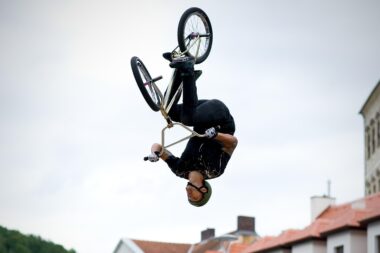
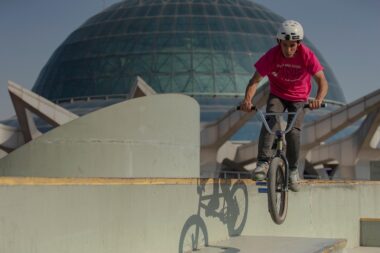
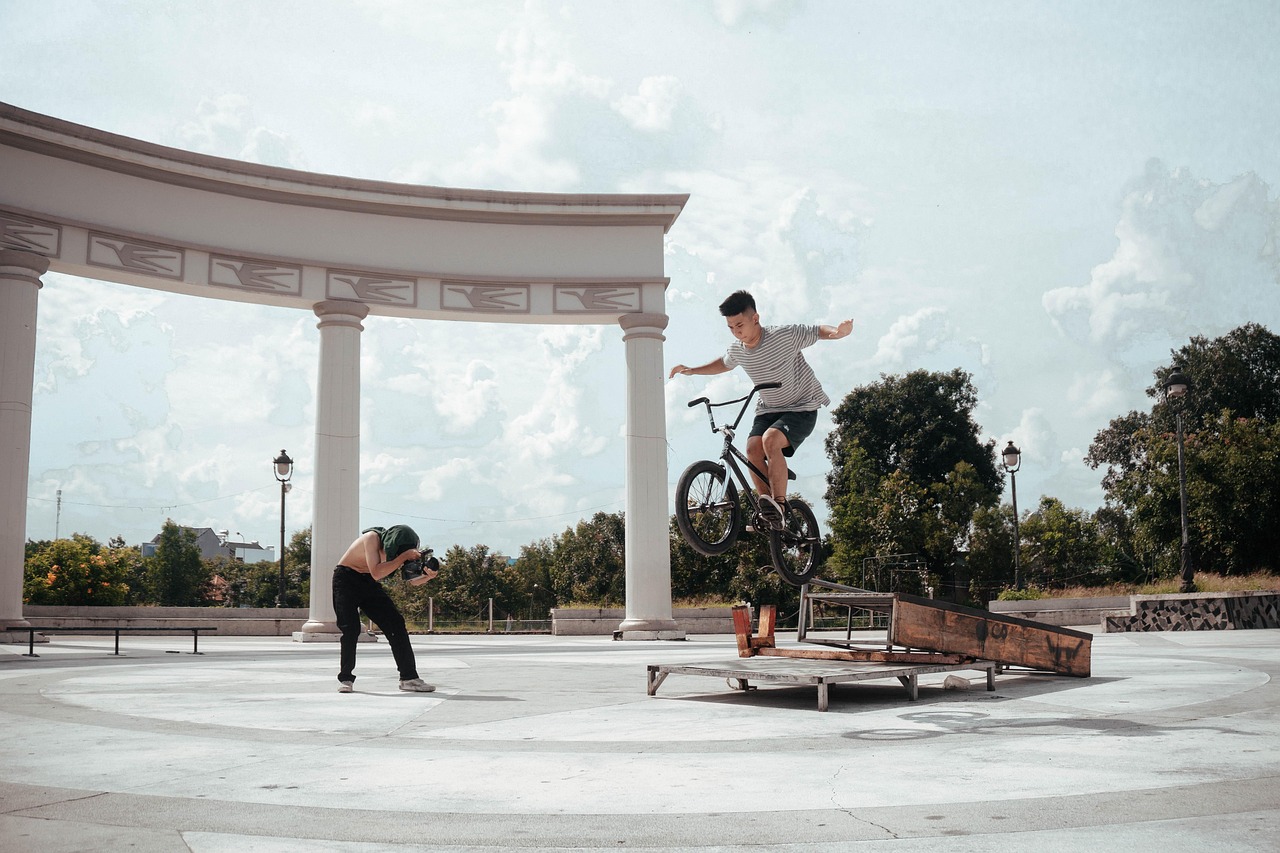
As BMX riding advanced, the freestyle scene emerged, introducing a plethora of tricks and stunts. Freestyle riding, characterized by its creativity, features categories like street, park, and vert. In street riding, riders perform tricks on urban obstacles such as rails and stairs, showcasing their ability to manipulate surroundings. Park riding takes place in skate parks, with ramps and bowls offering various transition opportunities for aerial tricks. Vert riding focuses on high ramps and halfpipes, allowing for extreme vertical maneuvers. These distinct styles require specific skills and techniques, prompting riders to adapt their bikes accordingly. Innovations like pegs and aftermarket parts enable riders to enhance performance further. The aesthetic aspect of BMX riding cannot be overlooked; personalized bike designs showcase riders’ personalities and preferences. Popularization of BMX-themed video games and films also contributed to the spread of different riding styles, inspiring younger generations to engage in the sport. Iconic moments in BMX history, showcased through media, have galvanized interest and participation within local communities. Consequently, this evolution has fostered a vibrant culture surrounding BMX, characterized by camaraderie, competition, and artistic expression among passionate riders.
The Impact of Technology on BMX Development
Technological advancements have significantly influenced the evolution of BMX riding styles. Lightweight materials such as aluminum and carbon fiber have transformed bike design, allowing for more agile and responsive riding experiences. Additionally, advancements in manufacturing techniques enable stronger components that improve overall durability and performance. This evolution not only enhances rider safety but also encourages the pursuit of more complex tricks and stunts. The adoption of sealed bearings has further contributed to maintenance efficiency, allowing riders to focus more on improving their skills rather than repairing equipment. Suspension systems, once rare in BMX, are becoming increasingly popular, providing riders with a smoother experience during jumps and landings. As technology continues to integrate into BMX riding, customization remains a major trend. Riders have access to a vast array of aftermarket parts, enabling personalized bike setups that cater to individual riding styles. This attention to performance and aesthetics elevates the sport to new heights, melding artistry with athleticism. Ultimately, technology’s role in BMX not only transforms how riders engage with the sport but also fosters an ongoing relationship between innovation and creativity, shaping the future of riding.
As BMX riding grew, communities and subcultures emerged, each reflecting different aspects of the sport’s identity. Local BMX scenes, often centered around skate parks or dirt jumps, foster camaraderie among riders who share similar interests. These communities play a crucial role in promoting inclusivity and accessibility, encouraging newcomers to try their hand at BMX riding. Competitions and events contribute further to this sense of belonging, celebrating riders’ achievements across various skill levels. The growth of online platforms and social media has further connected BMX enthusiasts, allowing them to share their experiences, tips, and tricks with a global audience. Online forums and ride-sharing apps have created resources for finding local spots and meeting fellow riders. Additionally, the proliferation of BMX-focused content on platforms like YouTube has inspired many young riders to pursue their passion. Influencers and professional riders showcase their skills and unique styles, motivating others to engage in the sport. The evolution of BMX culture emphasizes collaboration, creativity, and support among riders, fostering a positive environment for growth and development. Communities remain vital to sustaining interest in BMX riding while creating spaces for culture and innovation.
Challenges Faced by BMX Riders
Despite its growth and popularity, BMX riding is not without challenges that riders must navigate. One prominent issue is access to safe riding spaces, particularly in urban areas where skate parks may be limited. Riders often resort to using improvised spots, which can lead to safety concerns and potential conflicts with property owners. Local regulations can hinder the creation of new parks and trails, stunting the growth of the BMX community in certain areas. Additionally, riders may face societal perceptions that categorize BMX as a “dangerous” activity, which can deter new participants. The risk of injury is an inherent aspect of the sport, as riders continually push their limits when learning new tricks. Proper safety gear, education on risk management, and injury prevention can significantly affect how riders approach their sport. Furthermore, sponsorship and funding opportunities remain elusive for many BMX riders. Aspiring athletes often grapple with financial constraints when trying to access necessary equipment and participate in competitions. By addressing these challenges, communities and organizations can provide better support, ensuring a more sustainable future for BMX riding and its diverse array of talents.
The future of BMX riding appears promising, especially with the sport’s inclusion in the Olympic Games since 2008. This milestone has propelled BMX into the global spotlight, attracting a new wave of talent and aspiring riders. As a result, the competitive landscape has grown more dynamic, offering opportunities for riders to showcase their skills on international stages. Emerging riding styles and trends continue to evolve, reflecting the diverse influences and creativity within the BMX community. Innovations in bike design, materials, and technology will undoubtedly propel riders to explore new heights and challenge boundaries. Furthermore, an increased emphasis on youth programs and local initiatives will ensure that the next generation of riders has access to training and mentorship opportunities. This focus on education and infrastructure development will cultivate a thriving BMX culture that is inclusive and diverse. Additionally, sustainability within the sport will gain prominence, as riders seek eco-friendly alternatives in bike materials and riding environments. Overall, the future holds great potential for BMX riding styles to develop further, enriching the sporting landscape and inspiring countless riders worldwide.
Conclusion
In summary, the evolution of BMX riding styles signifies a remarkable journey marked by innovation, creativity, and community. From its roots in motocross-inspired racing to the flourishing freestyle culture, BMX has transcended mere sport into a global phenomenon. Technological advancements have shaped modern riding, while local communities and youth participation foster inclusivity and accessibility for aspiring riders. Despite the challenges faced, the sport continues to grow, both in popularity and diversity. As new trends emerge, BMX remains a vibrant manifestation of self-expression and athleticism. Consequently, the influence of BMX extends beyond the confines of sport, promoting values of perseverance, creativity, and camaraderie among riders. Encouraging a new generation of enthusiasts to embrace the rich tapestry of BMX culture ensures the sport’s legacy will thrive. As we look towards the future, it is essential to support initiatives that champion BMX riding, providing a solid foundation for generations to come. Embedding practices that prioritize sustainability and inclusivity will help maintain BMX riding as a beloved and evolving sport for years to come. BMX will continue to inspire countless individuals while pushing the boundaries of athletic expression.
Ultimately, the evolution of BMX riding styles serves as a testament to the passion and commitment of riders worldwide. Each style reflects the unique culture, creativity, and individual expression that exemplifies the essence of BMX. As the sport becomes increasingly visible on global platforms, it is crucial to recognize and celebrate the diversity within the BMX community. Uniting riders from different backgrounds fosters understanding and collaboration, paving the way for positive cultural exchanges. The journey of BMX riding is far from over; it is an ongoing story of growth, adaptation, and resilience. With committed riders pushing the limits of creativity and skill, BMX will undoubtedly inspire future generations to chase their dreams and express their unique identities. Supporting grassroots organizations, competitions, and rider development programs will be vital in sustaining the momentum of BMX riding. Together, we can ensure that the spirit of BMX flourishes, encouraging participation and enjoyment at all levels. The evolution of BMX riding styles will continue to unfold, capturing the hearts and imaginations of enthusiasts around the world as the community continues to thrive amid challenges and innovations.