
The Evolution of Youth Fitness Competitions
Youth fitness competitions have transformed dramatically over recent years, transitioning from simple school events to highly structured formats with diverse categories. Initially, youth competitions mainly focused on track and field sports, where young athletes showcased running, jumping, and throwing skills. Today, the landscape has broadened, resulting in various competitions that appeal to different interests and abilities of young individuals. Events such as obstacle course races, gymnastics, and functional fitness competitions have expanded participation options, allowing youth to engage in physical activity in fun settings. Furthermore, with the changing priorities around fitness, these competitions now emphasize health, teamwork, and personal achievement rather than just winning. This shift has motivated many young individuals to participate, aiding in the development of both physical and mental fitness. To foster inclusivity, organizers are implementing age and ability-based categories, ensuring everyone feels welcome and valued, which is essential for encouraging ongoing participation in sports. The evolution reflects a broader commitment to promoting lifelong fitness habits through enjoyable and accessible competitive experiences. Young athletes are no longer just competitors; they are nurtured in environments that prioritize healthy lifestyle habits through their involvement in these competitions.
Historical Overview of Youth Fitness Events
The history of youth fitness competitions dates back several decades, with origins often linked to school programs. Early efforts in physical education served as the foundation for local competitions, promoting health among youth through friendly rivalry. In many regions, sports days evolved into annual events where schools sent their best athletes to compete. Initially, these competitions were limited in scope, focusing predominantly on traditional athletics, such as sprints or long-distance races. Modernization brought changes, and organizers began to recognize the need for diverse competitions that reflect interests of the emerging generations of youths. Enter the expansive era of youth-oriented events, which highlight fun, community, and teamwork, while still promoting fitness. As competitive opportunities grew, so did the challenges regarding participation levels, particularly for individuals out of the typical ‘athlete’ mold. This realization sparked initiatives for inclusive competitions allowing participation of all fitness levels. These competitions encapsulate everything from intense challenge courses to dance-offs and support vital life lessons, such as perseverance, sportsmanship, resilience, working as a team, and dedication. Over time, youth fitness competitions have become key platforms for health, growth, and development among young individuals through these varied and engaging events.
Today, youth fitness competitions serve many purposes besides promoting physical health. They contribute to social development, community building, and personal growth for participants. Engaging with peers in competitive settings allows youngsters to form friendships and develop essential social skills. Active youths participating in these events build strong networks that extend beyond individual activities, leading to lifelong connections. Moreover, these competitions often provide opportunities for mentorship with coaches and older athletes, influencing younger participants positively. Mentoring relationships enhance the learning experiences and additionally help to instill values of discipline and hard work. Youngsters who participate in fitness competitions often report increased self-esteem and confidence as they achieve personal goals, regardless of their placement. Furthermore, as many of these competitions are televised or streamed, they may inspire other youths to engage in physical activity, identifying role models and aspirations. Media exposure can further foster a sense of community as families and friends come together to support competitors. By celebrating accomplishments, sponsors and communities can promote higher participation levels, creating better access to health-oriented programs for youths. Recognition beyond mere competition results instills a sense of pride and accomplishment, contributing positively to their overall development.
Innovations in Youth Competitive Formats
With advances in technology and an understanding of youth engagement, the fitness landscape has seen remarkable innovations. Competitions have integrated scoring apps, fitness tracking technology, and live-streaming capabilities that bring events to wider audiences. These innovations appeal to tech-savvy youth, providing them with a personalized competition experience. Event organizers now prioritize interactive formats, where participants engage not only in competing but also training and learning in an enjoyable environment. Fitness challenges, themed events, and gamification inspire participation by ensuring activities are enjoyable and approachable across various fitness levels. Young participants can continuously measure their improvements and receive real-time feedback, contributing to enhanced experiences. Innovations such as virtual competitions have gained popularity, especially during pandemic restrictions on gatherings. They have allowed youth alongside their friends to compete no matter geographical barriers. Furthermore, online platforms enable global participation, allowing kids from diverse backgrounds to connect with one another. The outcomes are not just based on athletic performance; they encapsulate stories of determination and resilience, resonating deeply with viewers and participants alike. The evolution of youth fitness competitions mirrors technological changes, adapting to the needs and desires of young individuals.
As youth fitness competitions continue to evolve, key stakeholders advocate for implementing higher educational standards and safety regulations. Prioritizing safety is crucial to fostering healthier environments where children can thrive. Event planners and coaches increasingly recognize the importance of proper training techniques and injury-preventive strategies for all athletes. This includes providing appropriate equipment and designing comprehensive training curricula that prioritize physical literacy. Moreover, promoting mental well-being has become an integral part of fitness competition discussions. Mental health resources address stress, anxiety, and performance pressure young competitors may face. This evolving perspective reflects a holistic approach to youth fitness competitions that focus not just on athletes’ physical capabilities but also on emotional resilience. Conversations are unfolding around the ethics of competition, particularly emphasizing the need for fair practices and inclusivity. Programs encouraging girls’ participation, disabilities engagement, and scholarships for underrepresented groups showcase the advancements made in promoting equity within youth fitness competitions. Supporting systemic change ensures a brighter future where youth engage in fitness competitions as safe spaces for exploration, creativity, and self-expression, solidifying their foundation for an active lifestyle that lasts well into adulthood.
Global Perspectives on Youth Fitness
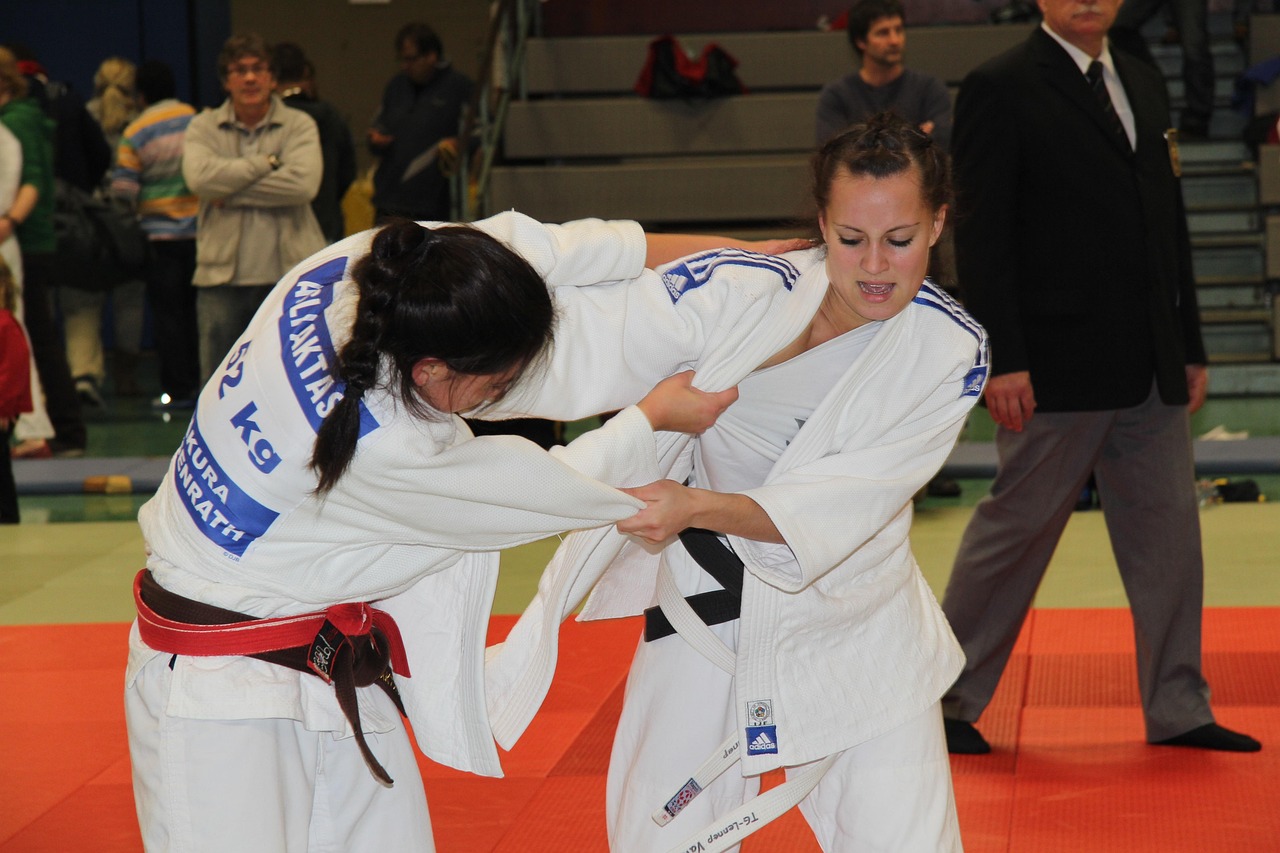
Globally, youth fitness competitions display remarkable diversity based on cultural values, climates, and available resources. Different regions hold unique perspectives on what constitutes a competitive youth activity, reflecting local traditions and interests. For instance, in some countries, team sports like soccer or rugby dominate competitions, while others may emphasize individual disciplines such as martial arts or dance. The recognition of popular games brings communities together, fostering healthy competition and inclusivity among youth. Countries are collaborating internationally to share best practices and empower youth all over the globe through fitness initiatives. Programs like the International Olympic Committee’s Youth Olympic Games encourage global recognition and respect for diverse fitness cultures, facilitating cross-cultural exchange among youth. These initiatives promote healthy lifestyles on a global scale, asserting fitness as an essential part of holistic youth development. As communities celebrate these competitions, they foster camaraderie and encourage participants to understand the significance of dedication and teamwork. Acknowledging that fitness looks different for every child provides opportunities for growth while honoring various cultural expressions. As industries adapt, global collaboration continues to shape how youth experience fitness competitions positively across the globe.
In conclusion, the evolution of youth fitness competitions has fostered excellent opportunities for participants of all skill levels. These competitions are essential as they drive physical activity, promote social connections, and cultivate a sense of belonging. Engaging in fitness competitions offers various benefits beyond physical improvements, including mental fortitude, resilience, and teamwork. The focus has shifted from competition alone to creating enjoyable and inclusive environments that celebrate each participant’s successes. Additionally, the incorporation of modern technologies and innovations seeks to improve accessibility and engagement among youth. As more stakeholders acknowledge the importance of fostering safe and equitable environments, youth fitness competitions are poised to revolutionize their approach. They will create lasting impacts in the communities they serve for years to come. The maturity of these competitions reflects societal shifts, emphasizing the importance of health and holistic growth within the youth population. As we focus on loving fitness and competition, all young people deserve a chance to explore their potential and enjoy the physical experiences. We must continue advocating for improvements that promote lifelong fitness and celebrate the unique contributions each young athlete has to offer in their journey towards becoming adults.