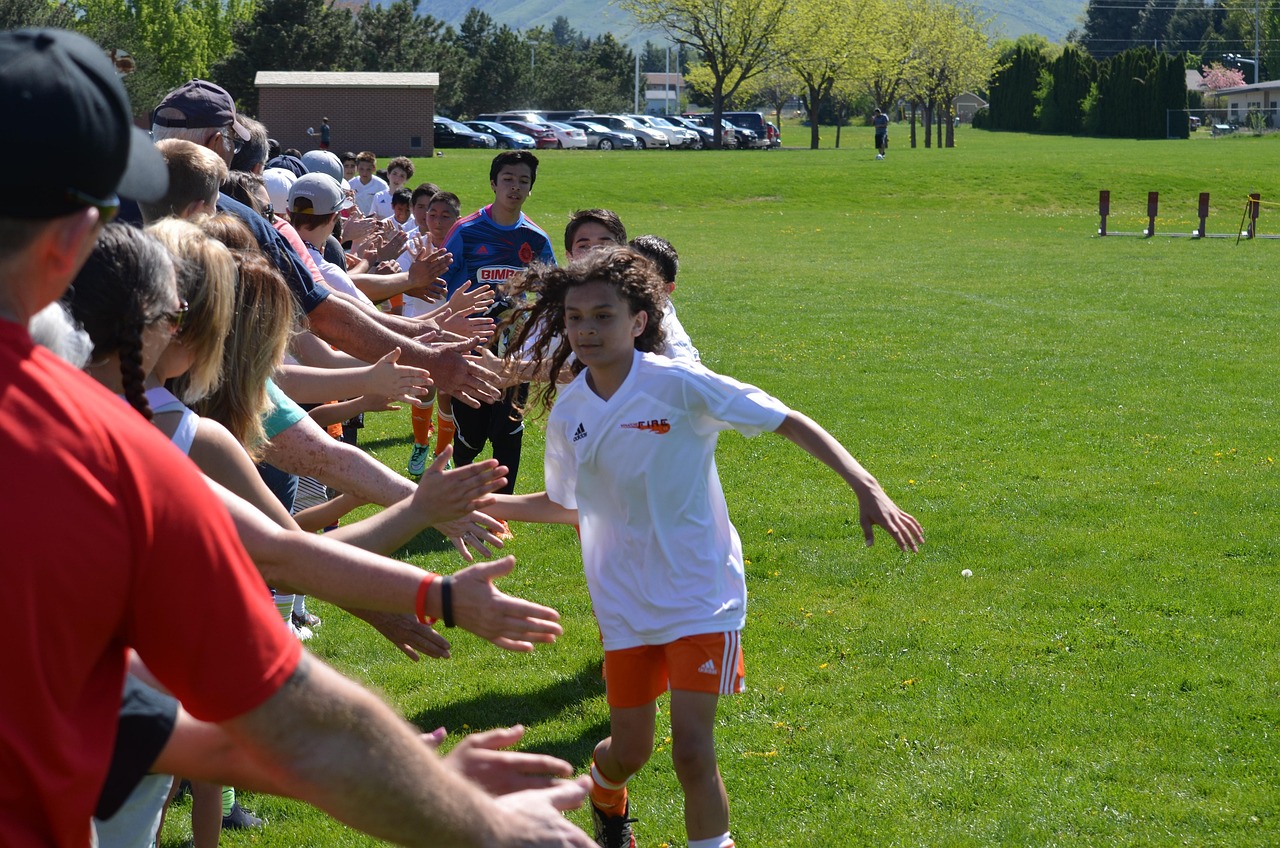

The Impact of Community Involvement on Sportsmanship
Community involvement plays a crucial role in promoting sports ethics and enhancing sportsmanship among athletes. When community members actively engage in local sports events, they contribute not only to the development of skills but also to instilling strong ethical values. Involvement encourages participants to understand the importance of fair play, respect, and discipline. These values manifest clearly during games, fostering an environment where athletes strive for excellence while demonstrating integrity. Local organizations often create programs focusing on ethics in sports, providing workshops and mentorship. These initiatives ensure that young athletes learn about accountability and responsibility through example and guidance. Such community-driven initiatives establish traditions that reinforce ethical behavior over competing interests. Furthermore, involvement in sports builds bonds within the community, uniting individuals from different backgrounds. By sharing experiences and celebrating victories and losses collectively, communities cultivate a culture of sportsmanship focused on teamwork and fair treatment. This cooperative spirit enhances the satisfaction derived from participating in sports, creating a positive impact that extends beyond the field into daily life. The influence of community engagement is profound, as it shapes attitudes and behaviors that define true sportsmanship.
One significant outcome of community involvement in sports is improved youth development. Programs that promote participation offer young athletes an opportunity to develop critical life skills. Skills such as leadership, communication, and conflict resolution become second nature as they navigate various sports scenarios. These programs help athletes learn that winning is not everything; rather, how one plays the game reflects their character. Through community engagement, mentors and coaches can emphasize the importance of ethics in every activity. Whether it’s a friendly game or a competitive match, grounding athletes in ethical principles prepares them for future challenges in life. Moreover, relationships formed during these experiences encourage mentorship and support beyond sports. Young athletes see role models demonstrating fair play and respect, motivating them to emulate these behaviors. This connection fosters resilience, teaching them to overcome setbacks with grace and humility. Additionally, the involvement of families and local establishments helps create an ecosystem that nurtures growing athletes. Parents, schools, and businesses can sponsor events, creating a collaborative environment where sportsmanship thrives. This community action nurtures not just athletes but responsible citizens who contribute positively to society.
The Role of Local Organizations in Promoting Fair Play
Local organizations play a pivotal role in promoting fair play and sportsmanship among athletes. These organizations often design programs aimed at youth and community members to highlight the values inherent in sports. They create curricula that focus on ethics, emphasizing the significance of integrity and respect. By sponsoring workshops and training sessions, local organizations ensure that everyone involved understands the rules of fair play. This leadership prepares young athletes to face the moral dilemmas they might encounter during competitions. Moreover, organizations often partner with schools and clubs, creating a network to spread awareness about the importance of sports ethics. Resources provided by these institutions can include literature, online courses, and in-person training. By fostering an environment where open discussions occur around sportsmanship, athletes are empowered to make sound choices during crucial moments. Additionally, success stories from community figures who have represented these values affirm that integrity leads to lasting respect and success. Such narratives inspire young athletes to adopt ethical practices while striving for their goals. Ultimately, these organizations help shape a new generation of players who prioritize sportsmanship alongside competition.
Moreover, engaging with local organizations allows communities to instill a shared sense of accountability regarding sportsmanship. As athletes begin to value ethical practices, communities collectively adhere to these values, demonstrating a united front. Together, individuals can create an environment that celebrates not only winning but also principled competition. Positive reinforcement from peers and community members motivates teams to embrace fairness genuinely, garnering support from spectators and parents alike. Moreover, community events and tournaments emphasize the significance of sportsmanship by rewarding not just victories but also teams demonstrating the highest ethical behavior. Such recognition is essential as it fuels a desire to maintain ethics even under competitive pressure. Players understand that the true essence of sports lies in fair competition and personal growth, not merely accolades. This shared perception creates interdependence among athletes, parents, and coaches, emphasizing a common goal of achieving sporting excellence. By actively participating in local programs, community members contribute towards building a robust framework that encourages good sportsmanship. Gradually, this cooperation establishes showcasing behaviors that align with ethical principles, ensuring that the importance of sports ethics remains prevalent.
Educational Initiatives Highlighting Ethical Sports Practices
Educational initiatives designed to highlight ethics in sports encourage honest dialogues about the responsibilities of athletes. Schools, colleges, and sporting bodies are beginning to incorporate ethics training into their curricula, teaching aspiring athletes about accountability. Workshops, seminars, and interactive sessions provide athletes with various perspectives on fair play. Educators share essential values such as honesty, respect, and humility, which are crucial for developing ethical sports behavior. Participants learn to identify situations where they might face ethical challenges and analyze best practices for response. Understanding the consequences of unethical behavior enables athletes to make informed decisions during competitions. Additionally, these educational initiatives promote open communication between athletes and coaches, creating trusting relationships. Athletes feel empowered to discuss concerns and seek advice when confronted with dilemmas. Furthermore, utilizing multimedia resources such as videos and case studies allows for diverse learning experiences. Students engage more effectively through interactive formats, enhancing retention of ethical principles. Consequently, these initiatives lay the groundwork for a future generation that champions fairness and sportsmanship across various sport disciplines. Building a foundation grounded in ethics enriches the sporting experience and encourages lifelong principles relevant on and off the field.
Engagement in community sports also has a broader social impact, ultimately affecting community cohesion. When individuals from various backgrounds unite in team sports, misunderstandings and prejudices can be broken down. Such settings allow participants to learn respect, teamwork, and acceptance as they work towards common goals. Through sports, lifelong friendships are formed, transcending socio-economic barriers and fostering inclusivity. By nurturing these connections, communities become stronger and more resilient. Sporting events often serve as a platform for collaboration, showcasing the power of sportsmanship across different walks of life. Moreover, this fellowship echoes in other areas, helping to cultivate a spirit of cooperation and understanding within communities. Recognition of differences in abilities and backgrounds encourages empathy among participants. Furthermore, collective achievements in sports foster pride within communities, encouraging further support for local initiatives. As communities experience unity through sports, they develop a lasting culture of honor and respect, essential components of effective community engagement. Therefore, enhancing sportsmanship through community involvement produces benefits that ripple throughout society, ultimately cultivating an environment where integrity is valued and upheld.
Conclusion: The Future of Sportsmanship through Community Engagement
As we look towards the future, the essential link between community engagement and sportsmanship will continue evolving. Engaging local populations in supporting sports initiatives fosters a strong foundation for ethical behavior. Communities are at the forefront of shaping the next generation of athletes who prioritize fair play and respect in their pursuits. The ongoing collaboration between organizations, schools, and families strengthens this framework, ensuring reinforcement of sports ethics. Moreover, as technology advances and information becomes more accessible, educational tools related to sportsmanship will greatly improve. Future initiatives can leverage these resources to make learning about ethics more engaging than ever. Social media is becoming an increasingly influential platform, enabling communities to share success stories and promote ethical excellence. Such visibility reinforces the importance of sportsmanship, inspiring others to follow suit. Consequently, the prospects of fostering a culture of sportsmanship through community involvement seem promising. As local sports teams continue to thrive, principles associated with fairness will become ingrained in the culture. Ultimately, a commitment to ethics in sports will inspire communities, leading to a better understanding of the significance of sportsmanship.
In conclusion, community engagement significantly impacts sportsmanship by promoting ethical behavior among athletes. As communities support sports initiatives, they build a foundation for fair competition and respect. This synergy shapes the future of sports, making ethics a priority in community and individual endeavors. Engaging local organizations, educational initiatives, and fostering relationships provide the essential tools for ethical sportsmanship. Collectively, communities nurture young athletes, ensuring they value integrity along their journeys. Emphasizing sportsmanship across disciplines and celebrating positive behaviors creates a culture where fair play thrives. Understanding the benefits gained through community engagement emphasizes the value of integrated support in cultivating lasting virtues. The journey towards a more positive sporting experience is not just a responsibility but an enriching shared journey that shapes athletes, communities, and society as a whole.