
The Role of Coaches in Addressing Bullying and Discrimination in Sports
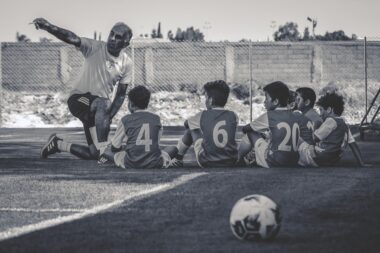
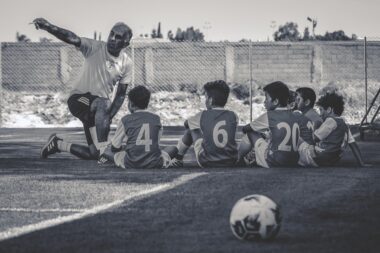
Coaches play a pivotal role in shaping the ethical landscape of sports. They are at the forefront of guiding athletes, teaching them not just the rules of the game but also the importance of respect and fairness. By promoting an inclusive environment, coaches can effectively combat bullying and discrimination. It’s vital for coaches to create a climate where every athlete, regardless of their background, feels valued and supported. Awareness and education about the impact of bullying can empower coaches to address such issues proactively. When coaches lead by example, demonstrating good sportsmanship and respect, athletes are likely to mirror these behaviors. Regular discussions about ethics and fairness should be integrated into training sessions, ensuring athletes understand their responsibilities. Furthermore, coaches must be vigilant about the dynamics within their teams, identifying and addressing any signs of bullying or discrimination promptly. A coach’s commitment to fostering a culture of inclusion greatly influences the team’s overall atmosphere, encouraging athletes to stand together against any form of injustice while reinforcing the message that everyone deserves a fair chance in sports.
Addressing bullying extends beyond mere punishment; it involves education and awareness. Coaches must equip themselves with the necessary skills to identify bullying behaviors and intervene effectively. It’s essential to foster an environment where athletes feel comfortable reporting bullying without fear of retaliation. Establishing trust is critical, as athletes who trust their coaches are more likely to communicate issues openly. Coaches should implement regular check-ins and open forums to discuss team dynamics and promote dialogue about sensitivity and respect. Developing workshops that focus on teamwork and inclusion can also augment athletes’ understanding of the importance of supporting one another. Additionally, utilizing role-playing scenarios during training can help athletes visualize the impact of their words and actions. Coaches should encourage bystander intervention, empowering teammates to speak up against bullying. This collective responsibility cultivates a strong team culture grounded in fairness and respect. Overall, coaches are instrumental in creating a safe sporting environment that emphasizes dignity, respect, and unity among athletes. By prioritizing the psychological well-being of their team, coaches reinforce the values that sports ideally promote, such as equality and mutual respect.
Educating Athletes on Fair Play
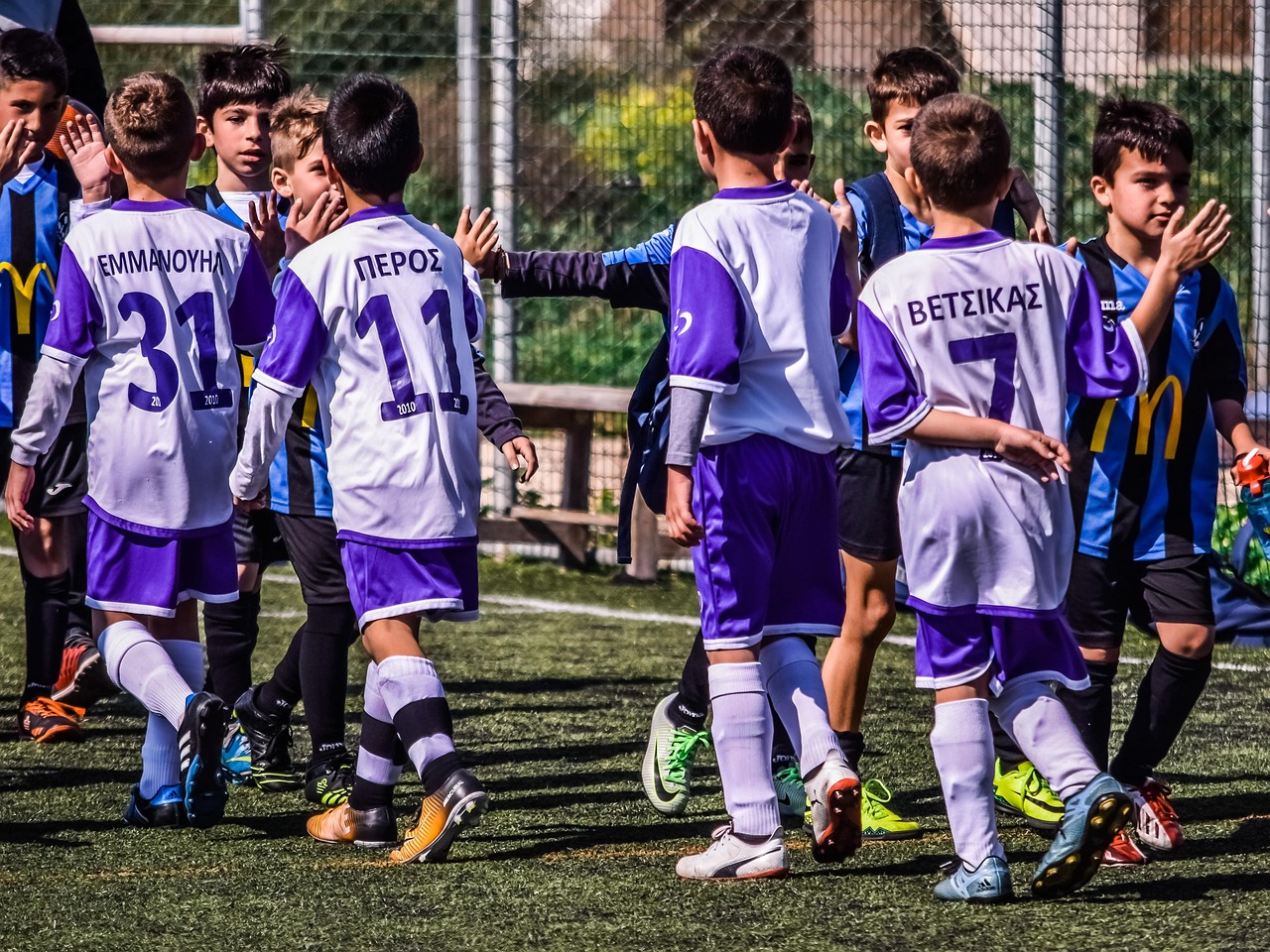
Education about fair play is a fundamental aspect of a coach’s role. Coaches should instill the values of honesty, integrity, and mutual respect within the framework of competition. By embedding these principles into training regimens, coaches help athletes understand that winning should not come at the expense of ethical behavior. This moral compass will guide them both on and off the field, preparing them to face various challenges during their sports career. Engaging in discussions and activities that emphasize the consequences of unfair play can be enlightening for athletes. Utilizing real-life examples of athletes who endured the consequences of bullying and discrimination can drive the point home. Creating a culture where athletes uphold fairness ensures that they respect opponents and teammates alike, fostering empathy in sports. Coaches should also facilitate discussions focused on sportsmanship, emphasizing how proper conduct fosters teamwork and collaboration. Regularly revisiting the importance of fair play prepares athletes to handle competitive pressures with dignity. The commitment to fair play starts from the coach and radiates throughout the team, creating an environment conducive to growth and respect.
The role of a coach in addressing bullying is further enriched through consistent support and reinforcement. Coaches must implement zero-tolerance policies for bullying behaviors, clearly outlining expectations for all athletes. Consistent enforcement of these policies ensures a united front against discrimination. Furthermore, utilizing tools such as anonymous reporting systems can empower athletes to voice their concerns. Coaches should actively seek feedback about possible bullying situations and remain approachable, willing to listen to their athletes’ concerns. Recognition of positive behavior should also be emphasized; rewarding instances of support among teammates can encourage a culture of kindness. Coaches can organize team-building activities designed to promote inclusivity and cohesion, serving as opportunities for athletes to bond and reduce conflicts. In addition to fostering camaraderie, these activities highlight the importance of working together toward common goals. Coaches should also keep an open line of communication with parents, informing them of initiatives against bullying and inviting their participation. Overall, a proactive approach toward fostering a supportive, inclusive team environment can effectively mitigate instances of discrimination and bullying, illustrating the power of unity and respect in sports.
The Importance of Parental Involvement
Involving parents in combating bullying and promoting fair play adds another layer of support for athletes. Coaches should communicate frequently with parents regarding team expectations and the importance of maintaining a respectful environment. When parents are well-informed, they can actively contribute to discussions about bullying and discrimination, reinforcing these messages at home. Organizing informational sessions or workshops for parents can effectively engage them in creating a culture of respect and empathy. Ensuring that parents adhere to these values can have a significant positive impact on their children’s behavior. Coaches should establish clear guidelines that align parents and coaches in their collective efforts against inappropriate behavior. Encouraging parental involvement in team events fosters a sense of community, making it easier to address any issues that arise. Furthermore, when parents are seen as supporters of fair play, it sets a powerful example for young athletes. Parents can interact with coaches to share insights or concerns about their child’s experiences in sports. Overall, parental involvement enhances the effectiveness of a coach’s efforts to address bullying and discrimination, strengthening the foundation for a positive sporting environment.
Aside from educational efforts and parental involvement, collaboration with the wider community proves beneficial. Coaches should engage with local organizations that advocate against bullying and promote respect in sports. Through partnerships, training sessions and resources can be made available to support coaches in their endeavors to address these crucial issues. Engaging local schools can also reinforce anti-bullying initiatives in a broader context, where communities collectively work to promote fairness in sports. Activities such as community workshops focused on the consequences of bullying can be productive. Coaches can also invite guest speakers to share their experiences and insights into the impact of discrimination on individuals and teams. Engaging the media can help raise awareness about bullying and the importance of fair play in sports, encouraging community support for athletes. Building a network of support allows coaches to draw on various resources as they work towards an inclusive sports community. Cultivating outreach programs that encourage at-risk youth to participate in sports can contribute to the fight against discrimination and bullying, providing everyone with equal opportunities to thrive in the sports arena.
Long-term Impact on Athletes
The long-term impact of a coach’s commitment to addressing bullying and discrimination in sports is profound. Athletes trained in an environment that prioritizes respect, empathy, and fair play are more likely to carry these lessons throughout their lives. They grow to become role models, influencing peers and future generations positively. Promoting a culture of inclusion fosters emotional intelligence and social responsibility. As athletes transition out of sports, these skills enhance their personal and professional relationships, equipping them for success in various life contexts. Moreover, athletes who witness and participate in inclusive sports environments report higher confidence levels and improved mental health overall. Coaches have a significant influence on developing these characteristics in their athletes. By addressing bullying and instilling values of fairness and respect, they cultivate leaders who stand for equity in all areas of life. Such environments establish core values that transcend sports, reinforcing the importance of cooperation, unity, and commitment to justice. The ripple effect of a coach’s efforts against bullying is transformative, as athletes share their experiences and lessons with the wider world, creating a cycle of positive change.
In conclusion, coaches hold a unique position in shaping the attitudes of young athletes toward bullying and discrimination in sports. By actively promoting fair play and advocating for inclusivity, they set the groundwork for healthier and more equitable sporting experiences. Addressing and preventing bullying requires a multifaceted approach involving education, community support, and ongoing discussions about respect and fairness. Coaches must embrace their responsibilities, leading by example and creating environments where athletes feel safe and valued. By prioritizing the social and emotional well-being of their teams, coaches contribute significantly to positive sporting cultures. Their dedication not only impacts the individual athlete but also the broader sports community as a whole. Ultimately, fostering an atmosphere of fairness allows all athletes to thrive and enjoy their sporting endeavors free from fear of discrimination. As society continues to grapple with issues of bullying, coaches are well-equipped to champion inclusivity and advocate for justice in sports. Moving forward, it is essential to empower coaches with resources and training that address these challenges head-on, allowing them to be effective leaders in the pursuit of fair play and ethical sportsmanship.