
Top Dance Fitness Styles for Kids and Teens
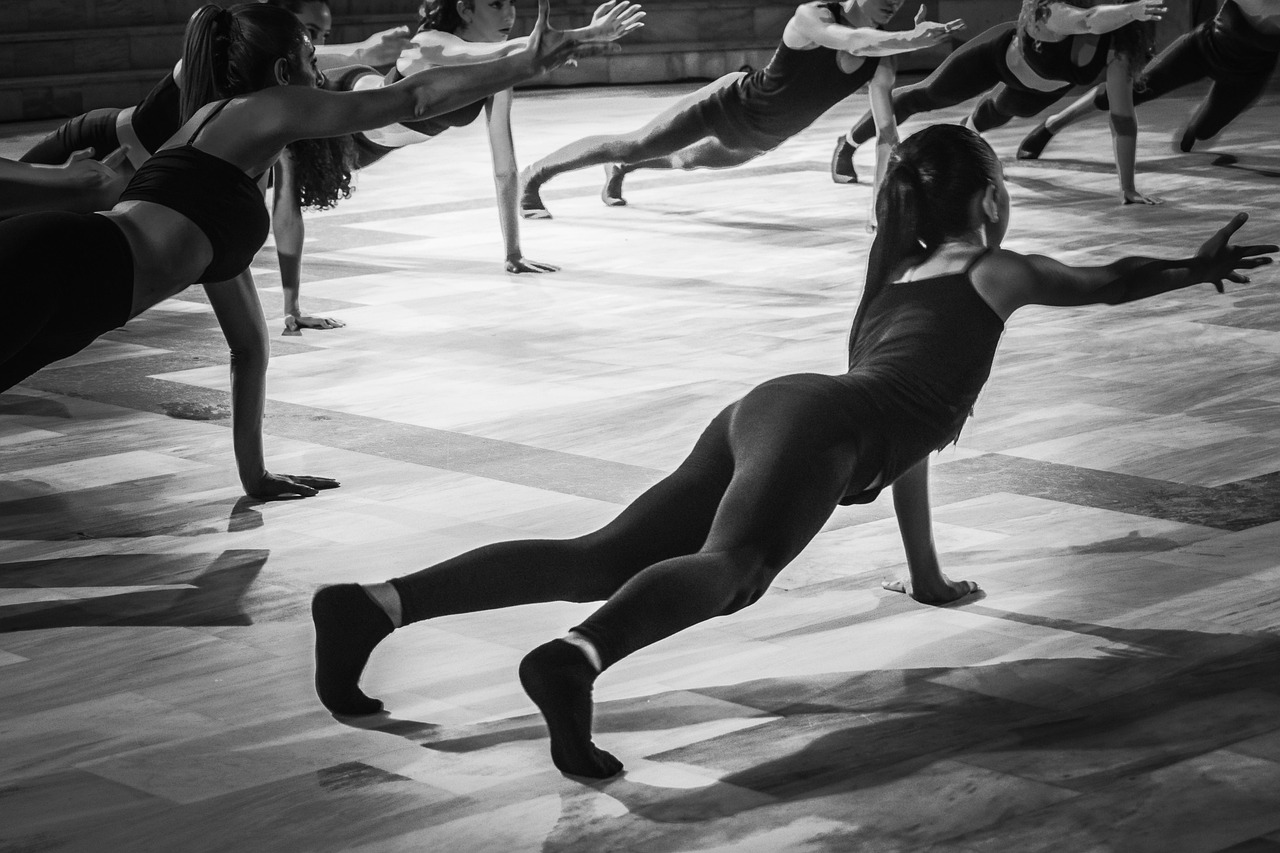
Dance fitness is an exciting way for children and teens to stay active while having fun. With a variety of styles available, it is crucial for young individuals to explore different dance forms to find their passion and improve their overall fitness. Among the most popular dance styles are Zumba, Hip Hop, and Jazzercise, each bringing unique benefits. Zumba combines dance with aerobic elements, allowing kids to enjoy lively music and energetic movements. Hip Hop focuses on street dance and rhythmic body movements, promoting creativity and self-expression. Jazzercise incorporates jazz dance, resistance training, pilates, and yoga. By regularly participating in these dance styles, kids enhance their coordination, flexibility, and strength. The social aspect of dance fitness allows youth to make friends, build teamwork skills, and develop a sense of belonging. To encourage teens to join, communities often host dance fitness classes that cater specifically to younger audiences. Dance fitness not only fosters physical health, but also improves emotional well-being and boosts self-confidence. Therefore, encouraging kids to engage in dance fitness is beneficial for their overall growth.
Another captivating style of dance fitness suitable for kids and teens is Ballet. Traditional ballet teaches grace, control, and discipline, all of which are essential life skills. Through ballet training, youngsters improve their posture and develop a strong sense of rhythm. Ballet classes often include warm-up exercises, floor work, and choreography, all while nurturing creativity and imagination. Another popular choice is Contemporary dance, where participants explore a wide range of movements and express themselves through various choreographed pieces. This dance style encourages individual creativity and allows youngsters to share their emotions through dance. Many dance studios offer classes that incorporate both ballet and contemporary dances, giving youth the chance to experience different styles and techniques. Additionally, Tap dance is a unique way for kids to develop rhythm and musicality while improving their coordination and balance. The fun sounds made by the shoes help to keep kids engaged as they learn to combine steps and beats. Overall, encouraging children and teenagers to explore these dance fitness styles cultivates a love for movement and promotes a healthy lifestyle.
The Benefits of Dance Fitness Styles
Participating in dance fitness provides numerous physical and mental benefits, especially for kids and teens. One main advantage is the enhancement of cardiovascular fitness. By engaging in various styles of dance, young participants elevate their heart rates, improving circulation and stamina. Moreover, dance fitness classes often emphasize muscle strength and flexibility through a combination of movements and stretches. This helps prevent injuries and promotes overall body health. Dance fitness also significantly impacts mental wellness. It combines physical activity with music, allowing young dancers to express their feelings and emotions. This emotional release can help reduce stress, anxiety, and depressive symptoms. Furthermore, learning choreography and mastering dance patterns enhances cognitive skills such as focus, memory, and coordination. Young dancers build confidence through dance, as they learn to perform in front of peers and sometimes in competitions. This growth in self-esteem positively influences other areas of their lives, such as academic performance and social interactions. Lastly, community engagement through dance fitness classes fosters friendships and enhances social skills among children and teens, creating a supportive environment.
For parents considering a dance fitness program for their kids, online resources can provide valuable information. Websites often list local dance schools that specialize in kids’ fitness classes, helping parents make informed choices. Social media can also showcase various dance styles through videos and tutorials, giving an insight into what each dance involves. Many studios offer free trial classes, which allow children to experience different styles before committing to a specific program. Encouraging kids to try multiple classes can be beneficial, as they might discover hidden talents or a newfound passion for a particular dance genre. Moreover, parents can look for special events or workshops in their community that highlight young dancers and promote dance fitness. These occasions can influence children to participate and gain exposure to professional dancers and instructors. Additionally, families can support their teens by attending their performances and celebrating their achievements. This involvement creates a bond between family members while reinforcing the importance of staying active through dance. Overall, making dance fitness part of a child’s lifestyle encourages both physical and emotional development.
How to Keep Kids Engaged in Dance Fitness
Keeping kids engaged in dance fitness requires creativity and enthusiasm. One effective method is to incorporate popular music that resonates with young dancers. When they dance to tracks from their favorite artists or contemporary hits, kids are more likely to enjoy their workouts and stay motivated. Furthermore, encouraging friendly competitions can ignite excitement, stimulating interest and dedication to improving their skills. Organizing fun dance-offs or showcasing student talents during community events can provide a platform for young dancers to shine. Involving parents or caregivers in classes, where appropriate, fosters a supportive environment, enhancing kids’ motivation. Enrichment activities such as themed classes or seasonal performances can spice up the experience and create anticipation among participants. Dance studios can periodically change routines or introduce new styles. This keeps the classes fresh and maintains participants’ enthusiasm to engage regularly. Flexibility in class schedules can also help accommodate different age groups and progress levels, ensuring children find a comfortable learning environment. Ultimately, driving passion for dance fitness and keeping kids engaged is about creating enjoyable, diverse, and supportive experiences.
As children and teens navigate their dance fitness journey, it’s essential to highlight various resources available to them. Online platforms such as YouTube and TikTok provide countless tutorials and inspirational dance challenges that kids can follow along with at home. This exposure encourages self-paced learning and practice, allowing kids to refine their skills outside of classes. Dance apps that recognize users can gamify fitness routines, empowering kids to track their progress, set goals, and celebrate achievements together with friends. Joining local dance groups on social media platforms enables youth to connect with their peers who share similar interests. Moreover, schools often host dance clubs where students can come together and learn new choreography in a fun, informal setting. Engaging with mentors or instructors who have successful dance backgrounds can give students insights and motivation to pursue their love for dance fitness. Attending dance conventions or workshops helps broaden their experiences while deepening their commitment to learning. Consequently, kids develop discipline, resilience, and teamwork abilities that are invaluable throughout their lives.
Conclusion
In conclusion, exploring dance fitness styles for kids and teens cultivates healthy habits and nurtures personal growth. The numerous benefits from engaging in dance fitness—such as cardiovascular health, improved coordination, and greater confidence—will aid kids in living healthier lives. Parents and communities are encouraged to support youngsters’ interests in various dance styles by providing opportunities and resources. Dance fitness can instill a lifelong passion for physical activity, creating a positive health outlook in later years. By encouraging participation in different classes, kids explore their preferences and abilities. By maintaining a fun and dynamic environment, children are more likely to remain motivated and dedicated to their dance fitness journey. Developing connections with peers and gaining mentors throughout this experience can further enhance young dancers’ growth and self-esteem. As communities continue to promote dance fitness, a broader awareness of its impact on both physical health and mental well-being will emerge. Importantly, the skills learned through dance fitness contribute to children becoming well-rounded individuals. Therefore, embracing dance as a fitness option can pave the way for a brighter, healthier future for kids and teens.
In summary, dance fitness plays a vital role in supporting childhood health and personal development. This exciting activity allows kids to engage in fitness while having fun and making new friends. With styles ranging from Zumba to Ballet, each offers unique benefits contributing to a healthier lifestyle. Encouraging a love for dance fitness in children not only improves their physical health but also boosts emotional well-being. Parents can support their teens by helping them find local classes and resources while maintaining an engaging and enjoyable experience. Flexibility in class formats, popular music, and the opportunity to participate in community events can significantly enhance a child’s dance fitness journey. Overall, promoting dance fitness as a part of children’s physical activity can lay a strong foundation for their health and overall well-being. The connections made through dance, along with confidence and self-expression, will resonate throughout their lives. Dance fitness not only changes lives in the present but also fosters lifelong healthy habits for the future. So, let’s encourage our youth to explore the vibrant world of dance and embrace the joy of movement.