
Body Movement and Heart Health: The Dance Connection
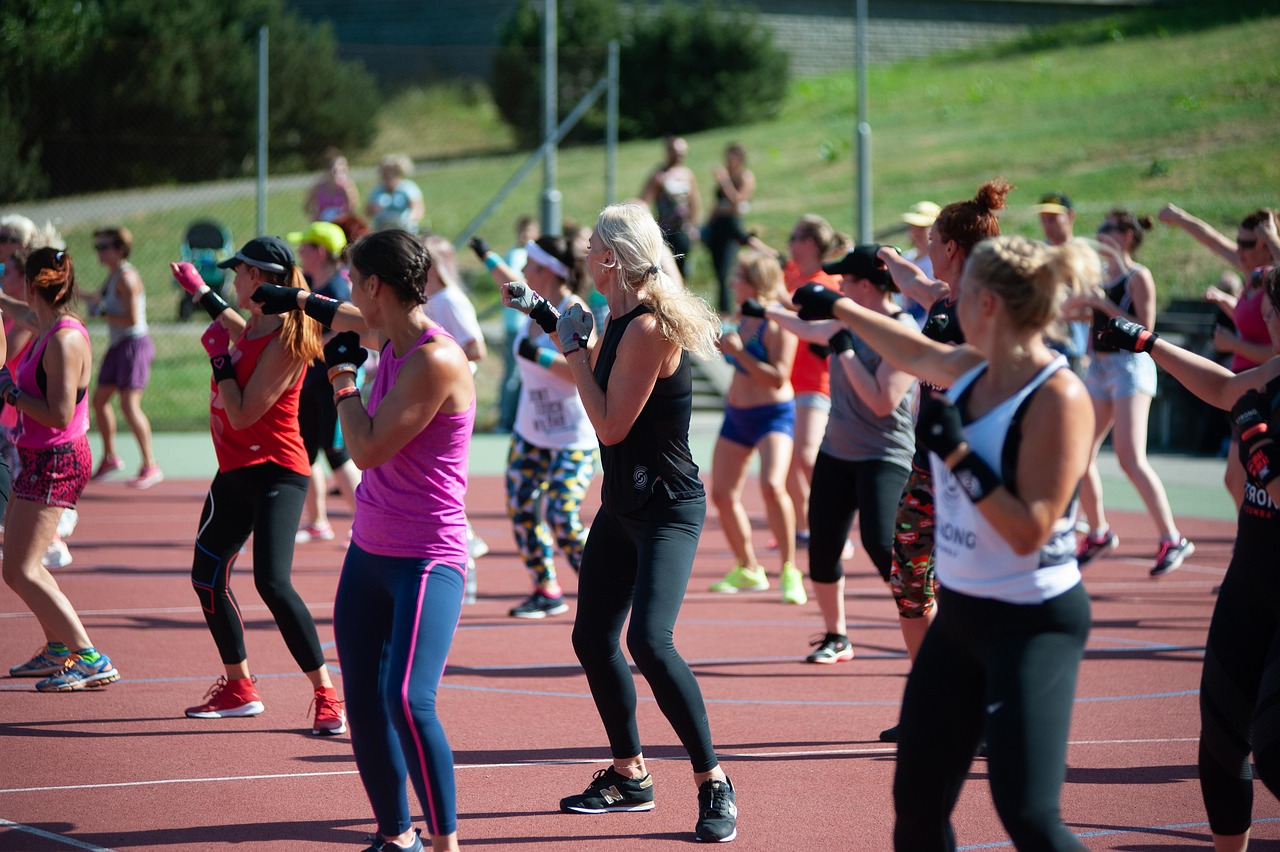
Dancing workouts not only enhance coordination but are instrumental for improving cardiovascular health. Engaging in rhythmic activity elevates heart rate, providing a dynamic workout that promotes blood circulation. Examples of effective dancing workouts include Zumba, Hip-Hop, and Ballet. Each style offers unique benefits, allowing individuals to select routines that match their preferences and fitness levels. Whether dancing solo or in a group, the social aspect enhances motivation, creating a supportive environment. Many find themselves experiencing less fatigue and more energy as they indulge in these workouts. Additionally, the joy of music stimulates mood and encourages longer exercise sessions. Regularly engaging in dance also helps combat stress, leading to better heart health overall. Dance workouts can be tailored for every fitness level, making them accessible and enjoyable for everyone. So, if you’re seeking a fun way to engage your cardiovascular system, look no further than dancing. Incorporate these enjoyable workouts into your routine to experience the cardiovascular benefits they can provide. Ultimately, dance workouts contribute positively to both physical and mental well-being, setting an effective foundation for a healthier lifestyle.
The Benefits of Dancing for the Heart
Dancing serves as an engaging method to enhance cardiovascular fitness while having fun. Engaging in dance workouts stimulates the heart, leading to improved heart function and circulation. Research indicates that regular dancing can reduce the risk of heart disease, surprisingly combating sedentary lifestyles that dominate in modern society. Furthermore, dancing naturally boosts metabolism by elevating heart rates, which aids in burning calories effectively. This calorie expenditure not only contributes to weight management but also strengthens the heart muscles over time. Social dance classes provide opportunities for individuals to connect, fostering community engagement. Being part of a group can increase consistency and commitment to exercise routines, leading to improved results over time. Additionally, dancing can significantly affect mental health by reducing anxiety and depression. Engaging dance rhythms encourages the brain to release endorphins, contributing to an overall sense of well-being. Therefore, including regular dance workouts into your weekly routine is an excellent way to combine fitness with enjoyment. Choose a dance style that resonates with you, and watch how your heart health may improve while enhancing your overall physical condition too.
Once you start incorporating dancing workouts into your routine, setting realistic goals helps maintain motivation. Establish achievable milestones and progressively challenge your body as you develop your skills. Whether it means dancing for longer durations or learning more complex routines, tracking your progress will keep you engaged. Joining local dance classes or finding online resources allows you to explore various styles, meeting others who share your passion. Try integrating dance into social events; you can easily turn a casual gathering into an invigorating workout. Examples include incorporating dance breaks into celebrations, which can elevate energy levels for guests. By making dance a regular activity, you’re increasing your cardiovascular fitness in a manner that’s enjoyable and sustainable. Another way to stay motivated is by listening to music that energizes you; creating playlists enhances your workouts. Selecting upbeat and lively songs can inspire you to keep moving while improving your heart rate. Remember, the key is to have fun. Dance workouts provide the perfect opportunity to express yourself through body movement, all while contributing positively to cardiovascular health.
Different Dance Styles for Heart Health
The variety of dance styles offers flexibility for individuals seeking cardiovascular fitness. Among the most popular styles are Zumba, a high-energy dance fitness program combining Latin rhythms and aerobic movements, and Salsa, known for its fun and fast-paced moves. Tap dancing is another enjoyable option that can help strengthen the heart while improving coordination. Ballet, although more traditional, helps build core strength and overall body control, which can also benefit cardiovascular health. Hip-Hop dance, invigorating and creative, encourages participants to express themselves while promoting aerobic activity. K-Pop dance workouts have gained immense popularity, blending music with fun choreography that keeps hearts racing. Consider personal preferences when selecting a dance style, as this will enhance your commitment to maintain regular practices. No matter your choice, dance offers significant improvements in cardiovascular strength. Additionally, dance serves as a form of stress relief, allowing individuals to let loose after a long day. Finding a style that resonates with you makes all the difference during workouts. Try a few classes or tutorials to discover what best suits your needs.
While many enjoy dance classes, incorporating dance into your home allows flexibility and convenience. Consider allocating time each week to practice routines you’ve learned and experiment with new styles from the comfort of your space. Online platforms offer numerous resources, including video tutorials and apps, enhancing your dancing journey further. Get creative and invite friends for a dance jam at your home or backyard, transforming it into a fun gathering with exercise. Practicing dance workouts at home ensures that you maintain your activity levels even when attending classes isn’t feasible. Encourage family or friends to join you; the more, the merrier! Sharing the dance experience creates lasting memories and strengthens bonds among participants. Establishing a rhythmic routine can help you stay motivated and accountable. To maintain cardiovascular fitness, aim for consistency; fear not perfection. Synchronizing your dance practice with upbeat music keeps the vibe light-hearted, enhancing overall enjoyment. When stepping away from the pressures of structured classes, you might discover newfound joy in expressive movement. Each dance-related venture improves your cardiovascular health, making it the perfect solution for those looking to have fun while exercising.
Listening to Your Body During Dance Workouts
As beneficial as dance workouts are, listening to your body remains crucial during any cardiovascular activity. Awareness of your limits helps prevent injuries while maximizing your workout efforts. Recognize when your body signals fatigue or discomfort and adjust your intensity accordingly. For beginners or those returning to exercise, start with lower-impact routines and gradually build stamina. Allocate rest periods during workouts; they can enhance overall performance and recovery. Stretching before and after dancing is essential for flexibility, warming your muscles and preventing strains. Hydration is also key; always drink water before, during, and after your dance sessions to optimize physical performance. Consider cross-training activities that enhance overall fitness. Mixing dance with strength training or yoga can create a balanced exercise regimen, improving cardiovascular health while addressing overall body wellness. Set aside time to enjoy substance-free recovery days, allowing your body to recuperate from workouts. Ultimately, understanding your body creates a safe and enjoyable dance environment, boosting motivation and health. Listen closely, and your body will guide you toward achieving your dance goals effectively.
In summary, dancing workouts offer a delightful solution to enhance cardiovascular fitness while enjoying the process. With various dance styles to choose from, including Zumba, Salsa, and Hip-Hop, there is something for everyone. Understanding the diverse benefits of dance, individuals gain not only physical health but also mental well-being. By incorporating social interactions, movement becomes more enjoyable, supporting sustained commitment to workouts. Set realistic goals, seek out dance classes, and find resources that excite you to keep your motivation alive. Additionally, practicing dance at home provides flexibility within busy lifestyles while blending fun with exercise effectively. Remember to listen to your body, adjusting practices accordingly to ensure safety and comfort. As you engage with dance, celebrate milestones and improvements, whether in stamina or creativity. Make dance a consistent part of your routine; embrace the joy it brings as you dance towards better heart health. Thus, engage movement as a holistic approach to maintaining fitness and well-being. Start today by finding your favorite dance style, inviting friends, and embracing the journey toward a healthier heart through joyous movement.