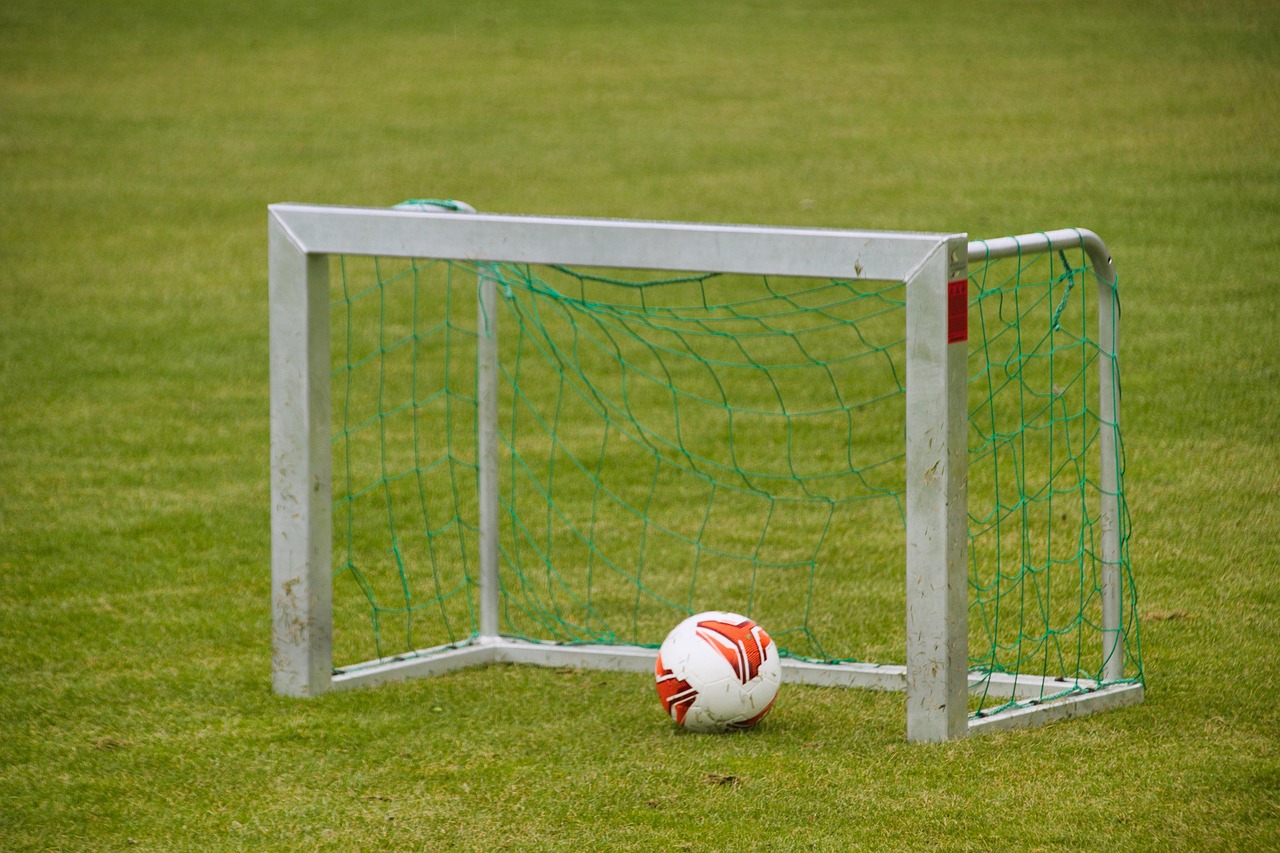

Building Coordination Skills for Youth Team Athletes
In youth team sports, developing coordination skills is crucial. Poor coordination can limit athletes’ performance and increase injury risk. To address this, coaches should implement specialized coordination training. This training not only improves physical abilities but also boosts confidence and teamwork. Coaches should focus on multi-directional movements, agility drills, and balance exercises. These activities enhance athletes’ motor skills and help them understand their body’s movements. The foundation of soccer, basketball, and volleyball heavily relies on coordination. Effective coordination training incorporates various activities that engage the entire body. Youth athletes will benefit from innovative exercises, such as dribbling while maintaining balance or navigating obstacle courses. Additionally, training should be progressive, starting with basic movements and gradually elevating difficulty. This approach allows athletes to master essential skills before tackling complex tasks. Parents should also be involved by encouraging practices that enhance coordination at home. Flexibility, strength, and endurance go hand in hand with coordination. By establishing a comprehensive training plan, coaches can vastly improve their team’s overall performance while fostering a supportive environment. Effective coordination lays the groundwork for athletic success, enabling athletes to excel in their chosen sport.
Proper warm-up and cooldown sessions are vital for preventing injuries during coordination training for youth athletes. These sessions should emphasize stretching and mobility exercises that prepare muscles and joints for physical activity. Coaches should educate athletes about the importance of warm-ups to enhance performance and reduce injury risks. Dynamic stretching, leg swings, and arm circles can be included in these routines. On the other hand, cooldown sessions play a crucial role in recovery, helping muscles relax and preventing stiffness. Coaches can incorporate light jogging and static stretches to enhance flexibility during cooldowns. Furthermore, incorporating fun coordination games can make warm-ups and cooldowns engaging. Games like tag or relay races can promote teamwork while developing coordination skills. This approach encourages athletes to participate willingly and enjoy the training process. Coaches should also provide feedback to help athletes understand their progress. Structured sessions, clear goals, and innovative techniques can enhance the effectiveness of coordination training. Encouraging peer interaction is beneficial, allowing athletes to learn from one another. In doing so, they develop not only physical skills but also social connections that improve team dynamics.
Incorporating agility drills is another essential aspect of coordination training for youth athletes. These drills enhance quickness, reflexes, and overall athletic performance. Simple agility exercises, such as ladder drills and cone sprints, can significantly improve foot speed and movement patterns. Coaches can design circuit training sessions that integrate various agility drills. For example, athletes can complete zigzag runs, lateral shuffles, and quick pivots. These exercises require focus and precision while positively impacting coordination. Coaches should gradually increase the complexity and intensity of these drills. Ensuring a variety of movements will challenge athletes and keep them engaged. Additionally, athletes should be encouraged to set personal records when performing these drills. This practice instills a sense of achievement and motivates them to continue progressing. Body awareness is crucial, as athletes learn to control their movements more effectively. By emphasizing agility training, coaches promote better decision-making on the field. This enhanced communication among teammates may lead to more effective strategies during competitive games. A well-rounded training program incorporating agility and strength ensures youth athletes reach their full potential.
Implementing Team Coordination Activities
Team coordination activities foster collaboration among athletes, enhancing their overall performance by developing trust and synergy. Coaches can organize drills focusing on team skills, such as passing drills in soccer or synchronized movements in basketball. These exercises help athletes understand their teammates’ movements, resulting in improved communication during games. Integrating small-sided games, like three-on-three or four-on-four, works wonders for cultivating teamwork. These games create opportunities for athletes to develop spatial awareness, quick decision-making, and non-verbal communication skills. Encourage athletes to give constructive feedback to one another during these activities. This practice will help promote a culture of support while allowing athletes to learn from each other’s strengths and weaknesses. Furthermore, incorporating challenges, like timed exercises or relay races, can add an element of competition that motivates athletes to perform better as a team. Coaches should celebrate team accomplishments, reinforcing the positive impact of coordination on performance. A strong bond among teammates can elevate a youth sports team, inspiring commitment and passion for their respective sports. Ultimately, focusing on team coordination activities enhances individual skills while creating a unified team dynamic.
Mixing in fun games is key to maintaining enthusiasm for coordination training. These games can involve various activities, ensuring that training remains fresh and engaging. Options like the ‘Steal the Bacon’ or ‘Capture the Flag’ are excellent choices that promote agility and coordination. Incorporating these games during practice encourages athletes to improve their skills without feeling the pressure associated with traditional drills. Coaches can rotate activities to keep athletes intrigued and excited about training. Providing rewards for achievements, such as small tokens or recognition during practice, can foster motivation. Recognizing improvement or effort goes a long way in building morale. The importance of fun cannot be overstated, as training should be enjoyable and engaging. This element helps young athletes develop a lifelong love for physical activity and sports. Moreover, including music during drills can enhance the atmosphere, energizing athletes and encouraging rhythm and timing in their movements. Coaches should also capitalize on team spirit by organizing friendly intra-team competitions. These lighthearted contests re-emphasize the fun aspect of coordination training while helping athletes bond closer and cooperate more effectively.
The Role of Nutrition and Recovery
Nutrition and recovery play a vital role in optimizing coordination training outcomes for youth athletes. A well-balanced diet fuels athletes’ performance, ensuring they possess the necessary energy levels for effective training sessions. Coaches should educate teams about proper nutrition choices, focusing on whole foods that provide essential nutrients. Carbohydrates, proteins, and healthy fats should all be included in meals to support athletic development. Moreover, hydration is crucial for maintaining performance levels. Coaches can emphasize the importance of drinking water before, during, and after training sessions. Recovery periods should also be prioritized for improving coordination training effectiveness. Adequate rest allows muscles to repair and grow stronger, leading to better performance. Coaches should integrate rest days into training schedules to prevent burnout. Techniques such as foam rolling and stretching can be encouraged during recovery to reduce muscle tension. Mental recovery, including relaxation activities, can help athletes stay focused and energized for future training sessions. Overall, incorporating nutrition education and proper recovery practices, ultimately develops a foundation for success in youth sports. An athlete’s physical and mental wellbeing significantly aids their coordination development.
In conclusion, effective coordination training is essential for youth team athletes aiming for success and minimizing injuries. Focusing on various drills, agility exercises, and team-building activities can enhance athletes’ overall athletic skills. Coaches play a crucial role in designing comprehensive training programs that accommodate different skill levels. The combination of focused training, fun games, and proper recovery strategies establishes a solid foundation for athletic development. Each athlete’s individual progress should be recognized and celebrated to promote motivation and commitment. Parents should also be encouraged to support their children in their training endeavors, reinforcing the importance of balance and coordination. Ultimately, fostering an environment that values growth, teamwork, and enjoyment ensures that young athletes develop the necessary coordination skills to excel in their respective sports. As athletes continue to improve their coordination capabilities, they will experience increased confidence and better performance during competitions. A dedicated approach to coordination training will undoubtedly lead to long-term benefits in both their athletic and personal lives, cultivating a lifelong passion for physical activity. By investing in this vital area of training, coaches, parents, and athletes alike lay the groundwork for future sporting achievements.