
Introducing Iaido to Your Martial Arts Curriculum
Iaido, the art of drawing the sword, is a traditional Japanese martial art that emphasizes smooth, controlled movements and mental focus. Integrating Iaido into your martial arts curriculum can provide students with unique benefits pertinent to discipline, mindfulness, and physical coordination. Practicing Iaido, students develop an understanding of form and technique through Kata or pre-arranged forms. As they master the art of drawing the blade, it instills not only physical discipline but also a strong sense of respect for the sword and its historical significance. Additionally, Iaido promotes mental clarity, enabling practitioners to cultivate a calm and focused mindset essential in the practice of any martial art. By incorporating Iaido into your curriculum, you offer a diverse skill set while retaining cultural roots and emphasizing safety. This can attract students interested in history and tradition, thus broadening your dojos’ appeal. The meditative aspects of Iaido can also help students deepen their martial arts journey by enhancing relaxation and stress relief, proving beneficial in today’s fast-paced world, where mental well-being is just as crucial as physical skill in martial arts.
The Benefits of Learning Iaido
Integrating Iaido into your martial arts training offers several unique benefits that extend beyond physical abilities. First, Iaido teaches practitioners about patience and perseverance; students learn to execute movements with precision, which requires time and dedication. This invaluable life lesson translates well into everyday challenges outside the dojo. Moreover, mastering the techniques involved in Iaido often involves overcoming frustration and setbacks, cultivating resilience. Another significant advantage is the enhanced focus that students cultivate through regular Iaido practice. The art requires extreme attention to detail, enabling them to develop heightened awareness not only in martial arts but in other aspects of life too. Furthermore, Iaido promotes core strength, flexibility, and coordination, as each movement necessitates a strong foundation. The physical conditioning resulting from Iaido practice can enhance overall martial arts performance, providing an advanced edge in combat-related arts. Additionally, students often find a personal connection through experiencing Iaido’s historical roots, thus fostering cultural appreciation. For many, this creates a fulfilling journey, as they embrace a unique form of art, tradition, and self-improvement while obtaining diverse martial skills.
For those who wish to add Iaido to their dojo, it is essential to consider how to structure the curriculum effectively. Begin by introducing Iaido principles during warmer-up sessions or as a dedicated class. This allows students to appreciate the art within the context of their primary martial practice. Offering workshops or seminars can also facilitate deeper understanding and attract students interested in historical martial arts. Providing introductory courses for beginners, focusing on basic movements and techniques, can help accommodate students at different skill levels. Engaging students through a progressive learning model encourages retention and interest. Advanced practitioners can benefit from more intricate forms and competition preparation. It is also worthwhile generating supports for practitioners, such as training manuals or instructional videos, to aid their at-home practice. Remember to seek experienced Iaido instructors who can effectively teach the nuances of this art form, ensuring authenticity and safety. Collaborating with local Iaido dojos or organizations can also foster resource sharing and increase networking opportunities, ultimately enhancing your dojo’s reputation for authenticity and commitment to education.
Essential Equipment for Iaido
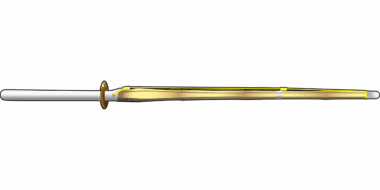
Incorporating Iaido into your martial arts program requires attention to the necessary equipment to ensure safety and optimal learning. Practitioners typically use practice swords known as “Bokken” for training purposes; these wooden swords minimize injuries during practice. As students advance, they may transition to “Iaito,” which are non-sharpened blades specifically designed for Iaido practice. It is crucial to correctly instruct students on sword handling techniques, promoting a safe and respectful training atmosphere. For footwork, students should wear a comfortable yet traditional uniform called “Gi” and “Hakama,” designed to offer freedom of movement while maintaining cultural relevance. Additionally, appropriate footwear is essential; many practitioners prefer going barefoot or wearing traditional split-toe shoes called “Tabi.” Students should also use protective gear like gloves or chest protectors during application-based practice to avoid injuries from mishandling or accidents. Ensuring that all equipment meets safety standards plays a vital role in providing a positive learning environment for Iaido students, ultimately enhancing their enjoyment and commitment to training while minimizing risks associated with sword practice.
Furthermore, creating a supportive atmosphere can be key to retaining students once Iaido is introduced into the program. Encourage student interaction through structured partnerships during practice sessions to facilitate learning and create camaraderie. Building a strong community fosters motivation and accountability among practitioners while promoting the shared values of martial arts. Organizing regular events such as tournaments, demonstrations, or themed workshops can inspire students to excel further in their Iaido practice. Highlight the achievements of students, both individually and collectively, by recognizing progress, dedication, and effort. Establishing a platform for sharing personal milestones can aid in this endeavor, while offering an opportunity for mentorship among the students. Integrating traditional practices, like bowing before and after lessons, helps reinforce respect towards instructors and peers. Additionally, utilizing multimedia content, such as instructional videos or online workshops, can further enrich learning experiences. This approach ensures that the integration of Iaido becomes more stimulating than simply focusing on physical skill. By enhancing the atmosphere around Iaido practice, your dojo can cultivate committed and enthusiastic students who thrive in their martial arts journey.
Conclusion: The Value of Iaido
In conclusion, incorporating Iaido into your martial arts curriculum can significantly enrich your students’ overall experience in self-discipline, mental clarity, and cultural appreciation. By carefully structuring the curriculum and emphasizing the required equipment and supportive environment, you can provide a solid foundation for incorporating Iaido effectively. The meditative nature of Iaido, combined with the physical challenges it presents, offers an opportunity for students to cultivate mindfulness and enhance their overall martial arts skills. Such integration fosters respect not only towards their weapons but also builds a larger appreciation for the art form. Encourage students to participate in Iaido seminars, workshops, or even competitions to explore a deeper connection with the practice, offering more avenues for their martial arts journey. With the right approach, practitioners can celebrate the fluid transitions between Iaido and other martial arts disciplines while creating a well-rounded training atmosphere. As your students engage with this unique martial art, they will not only become better martial artists but also more resilient and focused individuals in life. Ultimately, Iaido enriches both physical abilities and personal growth, proving its enduring value in modern martial arts education.
In summary, Iaido holds immense potential for enhancing any martial arts curriculum. As martial arts instructors seek to provide their students with diverse experiences, the addition of Iaido provides layers of meaning and purpose within their training. A multifaceted approach that values both the historical context and the practical execution appeals to a broader audience, helping dojos expand their reach. By connecting with local Iaido schools or practitioners, instructors can gain valuable insights that will enhance their understanding and teaching methodology, thus optimizing their curriculum. The blend of tradition and modern practice increases student engagement and inspires them to pursue their martial arts journey more passionately. Enthusiasm is crucial in martial arts training, and implementing Iaido can serve to ignite a fire that keeps students motivated over time. In achieving growth, we must recognize the significance of incorporating different forms of training into a cohesive program that caters to various interests and skills. As your students immerse themselves in Iaido, the fruits of their labor flourish, promoting the joy of learning and mastery within the martial arts.
Incorporating Iaido into your martial arts program is an opportunity to deliver a comprehensive training experience that resonates historically and practically. While surging forward with modern training techniques, the essence of martial arts remains rooted in respect for tradition and culture. By sharing Iaido’s unique challenges and benefits, you can create an environment that captivates and challenges students. Those who engage with Iaido will explore their potential, gaining insight and mastery that transcends traditional martial skills, paving pathways for personal development. The journey learners embark on with Iaido can evoke profound changes, helping them internalize discipline, focus, and respect. In this manner, integrating Iaido contributes to shaping well-rounded individuals who can navigate the complexities of life both on and off the mat. Overall, the value of Iaido cannot be understated, as it builds connections between students and their practice, enriching their background and skill set. An emphasis on dedication and respect embodies the core values of martial arts, which reflects the significance of Iaido in a modern curriculum and captures the attention of future generations of martial artists.