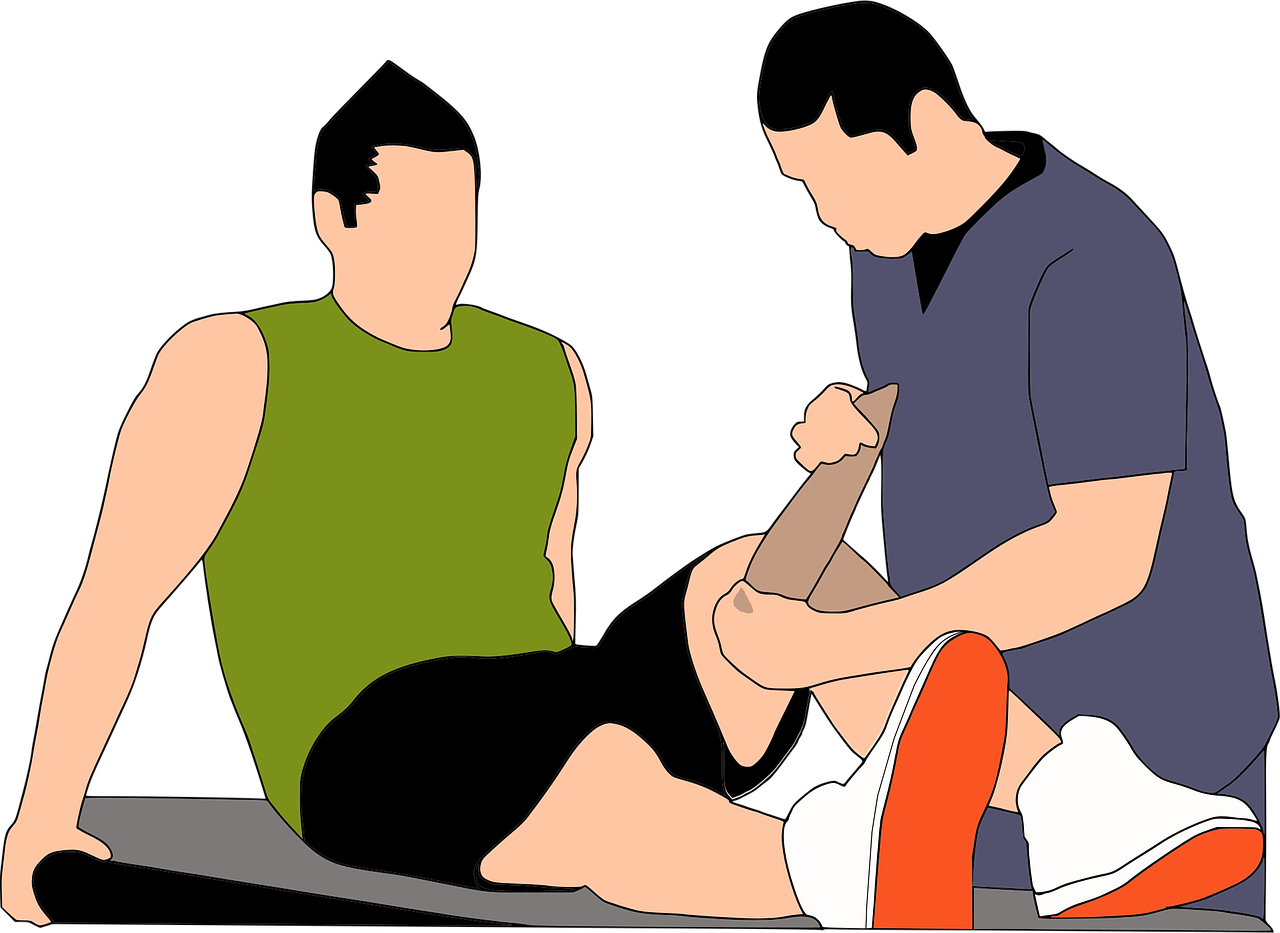

Psychosomatic Medicine and Injury Prevention in Sports
Psychosomatic medicine explores the intricate relationship between mind and body, emphasizing the profound impact mental state has on physical health. Athletes are not exempt from this dynamic, as psychological factors can significantly contribute to injury in sports. A positive mental state can enhance performance, whereas stress, anxiety, and depression can detrimentally impact an athlete’s physical condition. Understanding this connection is crucial for developing effective injury prevention strategies. Psychosomatic medicine focuses on addressing both the mental and physical aspects of an athlete’s well-being. By fostering psychological resilience, athletes may experience a reduced risk of injury. Stress management techniques such as mindfulness, meditation, and cognitive behavioral therapy can aid them in coping with pressure. Many injuries stem from psychological factors; by recognizing this, coaches and sports physicians can create integrated training programs. Building emotional awareness enables athletes to better understand their physical limits. Physically, athletes can employ strength training and proper techniques to avoid injury. Comprehensive approaches combining mental and physical health may dramatically enhance an athlete’s overall performance while minimizing injuries, ensuring longevity in their sporting careers.
The Role of Stress in Injury
Stress affects athletes in various ways, leading to diminished concentration, altered body mechanics, and increased muscle tension. These factors can consequently heighten the risk of injuries during competition or training sessions. Psychosomatic medicine examines how mental states contribute to these physical manifestations. For instance, when athletes encounter high-stress levels, the body can produce a stress response, leading to physical symptoms such as increased heart rate and muscle tightness. This can impair an athlete’s ability to react and perform, ultimately resulting in injury. Furthermore, the emotional burden of competition can create a cycle of anxiety, causing athletes to second-guess their physical capabilities. Effective techniques for managing stress might include visualization, breathing exercises, and mental coaching. Athletic trainers should prioritize mental conditioning alongside physical training, ensuring comprehensive support for their athletes. Understanding how stress interacts with physical performance helps in designing preventive strategies, allowing athletes to confront challenges with confidence. Therefore, recognizing and managing stress is not just an ancillary concern; it is an essential component of injury prevention that can lead to optimal athletic performance and a healthier sporting experience.
Psychoeducation is an invaluable component of psychosomatic medicine, focusing on teaching athletes about their mental it is our state and physiological responses. Understanding how emotions influence physical health can empower them to take charge of their wellness and improve performance. Workshops on topics like stress management, emotional regulation, and relaxation techniques can provide valuable insights. Athletes who participate in these sessions often report enhanced mental clarity, improved coping strategies, and increased self-awareness regarding their physical capabilities. Psychoeducation encourages open communication about mental health, fostering a supportive environment where athletes feel comfortable sharing their experiences. This connection between mental health and injury prevention can lead to the development of tailored training strategies that embrace both physiological and psychological dimensions. Developing awareness about the effects of thoughts and feelings on the body may help athletes recognize early signs of stress or fatigue. Consequently, they can take proactive measures to mitigate these issues before manifesting as injuries. Fostering this holistic understanding benefits not only the athletes themselves but also coaches and trainers, who can better empathize with their athletes’ challenges.
Physical Training Approaches
Physical training plays a crucial role in injury prevention, aligning with principles of psychosomatic medicine when addressing holistic athlete health. Strength training, flexibility exercises, and proper technique significantly contribute to minimizing injury risks. Incorporating tailored workouts that consider both physical and mental preparation may enhance athletes’ physical and psychological readiness. Strength training improves muscle resilience, supporting joints and preventing strain during high-intensity activities. Developing flexibility is equally important, as it allows for better movement and reduces the risk of muscle pulls or tears. The teaching of proper technique through coaching not only enhances athletic performance but also reduces the likelihood of injury due to incorrect movements. Additionally, a focus on recovery during training is essential. Encouraging athletes to prioritize rest and recuperation fosters a balanced approach to performance. Incorporating relaxation techniques, such as yoga or guided meditation, into the physical training regimen can promote both physical recovery and mental fortitude. Emphasizing the connection between physical conditioning and psychological resilience can empower athletes to recognize their limits. Thus, investing in multifaceted training programs helps create a sustainable athletic career while minimizing injury risks.
Pre-participation evaluations are an essential preventative strategy in sports-related injury management, allowing coaches and trainers to assess an athlete’s mental and physical readiness. Assessing mental health alongside physical evaluations enables identifying potential risks. Initial assessments may include fitness tests, musculoskeletal evaluations, and screenings for psychological well-being. Identifying red flags, such as anxiety levels, prior injuries, or stressors, can facilitate early interventions. Addressing mental health during these evaluations fosters an open dialogue, creating a supportive environment for athletes. Subsequent individualized training plans can be developed to address any concerns directly. Creating a culture of awareness around psychosomatic factors in injury prevention empowers athletes to proactively engage. Incorporating regular mental health check-ins allows athletes to discuss their emotional condition, ensuring ongoing support. Establishing connections between physical assessments and overall well-being may enhance performance sustainability. Additionally, using data-driven approaches can help monitor progress over time. By recognizing the interdependence of psychological and physical health, coaches can create a framework that values comprehensive athlete well-being. Ultimately, these evaluations can contribute to a culture of health, fostering longevity and success in sports.
Integrating Psychosomatic Medicine into Sports
Incorporating psychosomatic principles into sports can revolutionize athlete training and injury prevention strategies. Emphasizing a holistic overview promotes a healthier perspective toward performance and well-being. Coaches and sports organizations should prioritize formal education on psychosomatic medicine, enabling athletes to better understand the interplay between mind and body. Workshops and seminars can serve as platforms for sharing valuable insights, fostering collaboration between mental health professionals and athletic trainers. Creating multidisciplinary teams that encompass experts in psychology, physiology, and sports medicine may yield innovative strategies. Such integrative approaches may lead to improved mental training and sophisticated injury preventive measures that account for the complex variables affecting athletes. Building strong relationships between athletes and coaching staff can facilitate ongoing discussions about mental health, creating an environment where athletes feel safe seeking help. Encouraging athletes to develop personal resilience can enhance engagement and performance. Moreover, fostering awareness of psychological factors can enhance empathy among teammates. Ultimately, embracing psychosomatic medicine challenges traditional sports models, focusing on long-term athlete wellness and sustained athletic excellence, allowing individuals to thrive both during their active years and post-performance.
The benefits of integrating psychosomatic medicine into sports extend beyond immediate injury prevention. Athletes who possess a strong understanding of their mental state, stressors, and emotional triggers are often more resilient, adaptable, and better equipped to face adversities. Enhanced emotional regulation and coping strategies can prevent burnout and decrease dissatisfaction associated with competitive pressures. Furthermore, these principles cultivate an environment of empathy, fostering a supportive community among teammates and coaches. Encouraging dialogue surrounding mental health can help eliminate stigma and promote wellbeing across all levels of sport. This collaborative approach creates an athlete-centric culture, prioritizing holistic health, performance, and personal growth. Emphasizing effective communication also complements the psychosomatic integration, allowing athletes to express their needs and seek support when necessary. Ultimately, prioritizing mental health alongside physical training sustains athlete motivation and engagement, impacting performance positively. Successful athletes understand that their mental condition is as critical as their physical proficiency. As such, implementing innovative training models centered on psychosomatic principles ensures that athletes maintain their passion while maximizing their potential. The synergy between mind and body is integral, setting the foundation for thriving sports environments.
Given the dynamic environment in competitive sports, fostering a solid grounding in psychosomatic principles provides long-term benefits for both athletes and sports organizations. Adopting a proactive approach to mental health can lead to significant decreases in injury occurrences and improved athlete satisfaction. These measures contribute to the optimization of training regimens, ensuring the longevity of sports careers. By recognizing the connection between psychosocial factors and physical performance, sports organizations can create robust support systems that yield sustainable results. Furthermore, integrating expert practitioners into training programs enhances benefits, as these professionals understand the unique pressures athletes face. Establishing clear performance metrics that account for both mental and physical health presents a comprehensive reflection of an athlete’s well-being. Continuous evaluation and adjustment of such programs are crucial for sustaining effectiveness. Over time, the sports community may witness a cultural shift towards a heightened awareness of mental health and its contributions to overall athletic success. Ultimately, as psychosomatic medicine becomes increasingly recognized within the sports industry, it promises to redefine how athletes approach their training, health, and performance, paving the way for healthier futures in sports.